

What is the state - of - charge of an ups reserve battery pack?
Dec 24, 2025
Yo, what's up, folks! As a supplier of UPS reserve battery packs, I often get asked about the state-of-charge (SOC) of these battery packs. It's a super important topic, so I thought I'd break it down for y'all in this blog post.
Let's start with the basics. The state-of-charge of a UPS reserve battery pack is basically how much charge is left in the battery at any given time. Think of it like the fuel gauge in your car. It tells you whether your battery is full, half-empty, or almost out of juice. Knowing the SOC is crucial because it helps you plan ahead and avoid sudden power outages when you need your UPS the most.
There are a few different ways to measure the state-of-charge of a battery. One common method is to use a voltmeter. Batteries have a specific voltage range that corresponds to their state of charge. When a battery is fully charged, it will have a higher voltage, and as it discharges, the voltage will drop. By measuring the voltage of the battery, you can get a rough idea of how much charge is left.
However, using just the voltage to determine SOC isn't always the most accurate method. That's because a battery's voltage can be affected by things like temperature and the current being drawn from it. For a more accurate measurement, you can use a battery management system (BMS). A BMS is like a smart brain for your battery. It monitors the battery's voltage, current, and temperature and uses complex algorithms to calculate the state of charge. This gives you a much more precise reading of how much charge is actually left in the battery.
Now, let's talk about why the state-of-charge is so important for UPS reserve battery packs. UPS systems are designed to provide backup power in case of a main power outage. But if your battery pack isn't properly charged, it won't be able to provide enough power to keep your equipment running for very long. That's why it's essential to regularly check the state of charge of your battery pack and make sure it's always fully charged or close to it.
If you notice that the state of charge of your battery pack is constantly low, it could be a sign of a problem. Maybe the battery is old and needs to be replaced, or there could be an issue with the charging system. It's important to address these problems as soon as possible to avoid any unexpected power outages.
As a UPS reserve battery pack supplier, I can offer you a range of high-quality battery packs that are designed to provide reliable backup power. One of the types of batteries we offer is the Lithium Ferro Phosphate Battery. These batteries have several advantages over traditional lead-acid batteries. They are lighter, have a longer lifespan, and can handle a wider range of temperatures. Plus, they charge faster and are more environmentally friendly.
Another option we have is the Telecom Battery Backup. This type of battery pack is specifically designed for use in the telecom industry. It provides reliable backup power for critical telecom equipment, ensuring that your communication systems stay up and running even during a power outage.
We also offer Low Temperature Lithium Battery. These batteries are perfect for use in cold environments where traditional batteries may not perform well. They can maintain a high state of charge even in extremely low temperatures, making them ideal for outdoor applications.
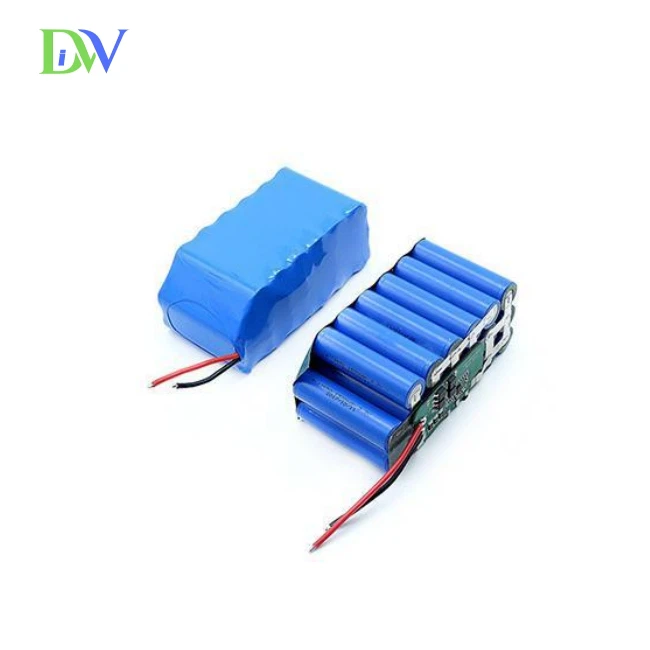

So, if you're in the market for a UPS reserve battery pack, or if you have any questions about the state of charge or any other aspect of battery technology, don't hesitate to reach out. We're here to help you find the right solution for your needs. Whether you're a small business owner looking for backup power for your office equipment or a large corporation in need of a reliable telecom battery backup, we've got you covered.
Now, let's get a bit more technical about how to maintain the state-of-charge of your UPS reserve battery pack. First of all, it's important to follow the manufacturer's charging instructions. Overcharging or undercharging a battery can significantly reduce its lifespan and performance. Most modern battery packs come with built-in charging controllers that help regulate the charging process, but it's still a good idea to double-check.
Regularly discharging and recharging your battery pack can also help keep it in good condition. This is known as a "deep cycle" and can help prevent the battery from developing a "memory effect." The memory effect is a phenomenon where a battery "remembers" the level of charge it's typically discharged to and loses its ability to hold a full charge over time. By performing deep cycles periodically, you can help prevent this from happening.
Monitoring the temperature of your battery pack is also crucial. Batteries can be sensitive to temperature changes, and extreme heat or cold can affect their performance and lifespan. Make sure your battery pack is installed in a well-ventilated area away from direct sunlight and heat sources. If you're using the battery pack in a cold environment, consider using a battery heater to keep it at an optimal temperature.
In conclusion, understanding the state-of-charge of your UPS reserve battery pack is essential for ensuring reliable backup power. By using the right methods to measure the SOC, following proper charging and maintenance procedures, and choosing the right type of battery for your needs, you can maximize the performance and lifespan of your battery pack.
If you're interested in learning more about our UPS reserve battery packs or have any questions about the state-of-charge or other battery-related topics, feel free to contact us. We'd be happy to have a chat with you and help you find the best solution for your power backup needs. Let's work together to keep your systems running smoothly, no matter what!
References
- Battery University articles on battery state of charge and maintenance.
- Manufacturer's specifications and guidelines for UPS reserve battery packs.