Telecom Battery Backup
In the digital age, the stability of communication networks is directly related to social operation and public safety. Whether it is natural disasters, power grid fluctuations, or sudden power outages, Telecom Battery Backup has become the core technology to ensure uninterrupted communication. As a leading lithium battery manufacturer in China, we focus on providing customized lithium battery solutions with high energy density, long lifespan, and intelligent management to help global telecommunications operators build more reliable and sustainable energy infrastructure.
- Fast Delievery
- Quality Assurance
- 24/7 Customer Service
Product Introduction
Challenges and Requirements of Telecommunications Backup Power Supply
Telecom base stations, data centers, and core network equipment need to operate stably around the clock. However, the limitations of traditional lead-acid batteries are becoming increasingly prominent:
1:Insufficient capacity: Lead acid batteries have low energy density (30-50 Wh/kg), occupy a large space, and are difficult to meet the expansion needs of high-density base stations.
2:High maintenance cost: Regular inspection of electrolyte and cleaning of terminals are required, with a lifespan of only 3-5 years. Frequent replacement increases operational burden.
Poor environmental adaptability: significant performance degradation under extreme temperatures, affecting reliability in emergency situations.
In response to these issues, lithium-ion batteries have become the optimal choice for telecommunications backup power sources through technological breakthroughs and intelligent design.
The core advantages of lithium-ion batteries
1. High energy density and spatial efficiency
Our lithium battery has an energy density of 150-265 Wh/kg, which is 3-5 times higher than lead-acid batteries and significantly reduces equipment volume and weight. For example, a single lithium battery cabinet can replace three lead-acid battery cabinets, freeing up base station space for deployment of other equipment.
2. Long lifespan and low maintenance costs
The cycle life of lithium batteries exceeds 5000 times (lead-acid batteries only 1200 times), with a service life of 10-15 years, reducing the frequency of replacement. Combined with an intelligent battery management system (BMS), real-time monitoring of voltage, temperature, and internal resistance can be achieved, enabling predictive maintenance and reducing failure rates by up to 62%.
3. Extreme environmental adaptability
Adopting a wide temperature electrolyte and IP55 protection design, it supports stable operation from -20 ° C to 60 ° C. For example, AT&T in the United States deployed liquid cooled lithium batteries in a high temperature environment of 49 ° C, successfully addressing the challenge of heat waves.
4. Fast charging and discharging and grid interaction
Charging speed is 4 times faster than lead-acid (2-4 hours to fully charge), supporting peak and valley electricity pricing strategies in the power grid: storing electricity at low prices at night, returning to the power grid during high price periods during the day, participating in frequency regulation markets (such as the Elisa project in Finland), and the investment payback period can be shortened to 3-5 years.
Customized solutions: meet diverse scenario needs
We provide modular design that flexibly adapts to different sizes of base stations and scenarios:
- Urban high-density base station: Compact lithium battery pack, supporting high power consumption requirements of 5G and future 6G, ensuring 99.999% operating time.
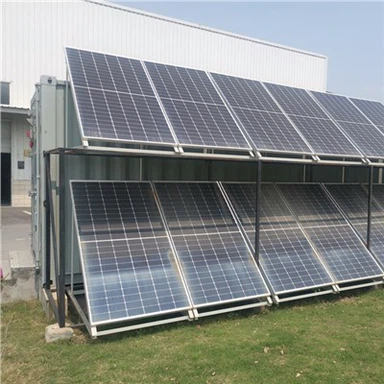
- Remote area stations: equipped with solar or wind microgrids to achieve off grid power supply. For example, the hydrogen lithium hybrid system tested by Nokia can provide 7 days of autonomous power supply for off grid towers.
- Emergency communication support: The capacity can be customized (48V 500Ah group can support 50 hours of power supply for base stations), with built-in flame-retardant materials and ceramic diaphragms, and a fire risk of less than 0.001%.
Intelligent Management: Remote Monitoring and Energy Efficiency Optimization
By integrating IoT sensors and AI algorithms, our system achieves:
- Real time health monitoring: tracks battery capacity, cycle times, and temperature, and provides early warning of potential faults.
- Dynamic load regulation: prioritize supplying power to high priority facilities such as hospitals and emergency command centers during power outages.
- Energy dispatch optimization: Combining electricity prices and grid demand, automatically switching between charging and discharging modes to maximize revenue.
The Venezuelan National Telephone Company (CANTV) has reduced accident response time by 40% and energy consumption by 15% through a similar system.
Environmental Protection and Sustainability
We follow international standards (UL 1973, IEC 62619) to ensure a battery recyclability rate of 96%. Retired batteries (with a capacity of 70-80%) can be reused for solar energy storage, extending their lifespan by 5-7 years. In addition, the carbon footprint of lithium batteries is reduced by 40% compared to lead-acid batteries, helping operators achieve their ESG goals.
As a leader in customized lithium battery solutions, we are committed to helping customers cope with the multiple challenges of rising energy costs, network expansion, and environmental regulations through technological innovation and sustainable design. Whether it's urban macro stations, off grid facilities, or emergency communication networks, our products can provide cost-effective, intelligent, and zero compromise backup power support.
Hot Tags: telecom battery backup, China telecom battery backup manufacturers, suppliers, factory, Automated Guided Vehicle Battery, Projector Lithium Battery, Industrial Equipment Lithium Battery, Electric Wheelchair Lithium Battery, Lithium Ion Ups Battery, Household energy storage battery