

How do regulations affect the power battery industry?
Jan 22, 2026
Regulations play a huge role in the power battery industry, and as a power battery supplier, I've seen firsthand how they can shape our business. In this blog, I'll share my thoughts on how regulations affect us and what we can do to adapt.
Safety Regulations: A Double - Edged Sword
Safety regulations are the most prominent type of rules that impact the power battery industry. On one hand, they're a necessity. Batteries, especially lithium - based ones, can pose significant safety risks if not properly designed, manufactured, and used. For example, overheating or short - circuits can lead to fires or explosions. So, regulations that set safety standards for battery construction, materials, and testing procedures are crucial for protecting consumers.
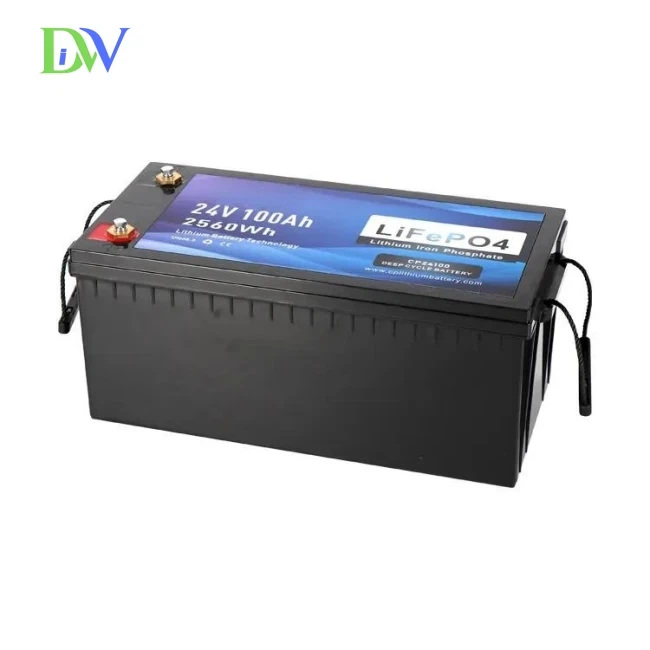
As a supplier, these regulations force us to invest a lot in research and development. We have to spend time and money on finding new materials and production methods that meet the strict safety requirements. Take the 24V Lithium Battery Pack as an example. We need to ensure that it has proper thermal management systems and protection circuits to prevent overcharging and over - discharging. This not only adds to our production costs but also extends the product development cycle.
However, safety regulations also have a positive side. They build trust among consumers. When people see that a battery complies with safety standards, they're more likely to buy it. This, in turn, helps in boosting our sales in the long run. And it also levels the playing field. All suppliers have to follow the same safety rules, so there's fair competition in the market.
Environmental Regulations: Driving Green Innovation
In recent years, environmental regulations have become increasingly important for the power battery industry. Batteries contain many chemicals and heavy metals, such as lead, cobalt, and lithium. If not disposed of properly, they can cause serious environmental pollution.
These regulations require us to be more responsible throughout the battery life cycle. We have to design batteries that are easier to recycle. For our Long Life Lithium Battery, we're exploring new ways to make the components more separable for recycling. This has led us to develop new battery structures and use different materials.
But it's not all about end - of - life recycling. Environmental regulations also influence the manufacturing process. We need to reduce energy consumption and emissions during production. This means upgrading our production facilities and using more energy - efficient equipment. It's a big investment, but it's also an opportunity for us to position ourselves as an environmentally - friendly supplier.
Many consumers today are more conscious about the environmental impact of their purchases. By adhering to environmental regulations and promoting our green initiatives, we can attract these eco - friendly customers. It also helps us meet the requirements of larger clients, such as electric vehicle manufacturers, who often have strict environmental standards for their suppliers.
Performance and Quality Regulations: Raising the Bar
Performance and quality regulations are another key aspect. These regulations define the minimum performance requirements for power batteries, such as energy density, charge - discharge efficiency, and cycle life.
For us, it means constantly striving to improve our products. We're always looking for ways to increase the energy density of our Electric Motorcycle Lithium Battery so that electric motorcycles can have a longer range. And we need to ensure that the battery can withstand a large number of charge - discharge cycles without significant degradation.
Meeting these regulations is not just about satisfying the law. It's also about staying competitive. Customers expect high - performance batteries, and if we can't deliver, they'll go to our competitors. So, these regulations actually push us to innovate and improve our technology.
However, there can be challenges. Sometimes, the regulations are updated faster than our ability to adapt. We need to invest in new testing equipment and personnel to ensure that our products meet the latest standards. And there can be differences in regulations between different regions, which makes it difficult for us to have a unified product strategy.
Regulatory Compliance: A Costly But Necessary Endeavor
Complying with all these regulations is not cheap. There are direct costs, such as the cost of testing, certification, and equipment upgrades. And there are also indirect costs, like the time and effort spent on understanding and implementing the regulations.
For small and medium - sized suppliers like us, the financial burden can be quite heavy. But we can't afford to ignore the regulations. Non - compliance can lead to heavy fines, product recalls, and damage to our reputation.
We've tried to manage the cost by streamlining our production process and collaborating with research institutions. By working together, we can share the cost of research and development and find more cost - effective solutions for regulatory compliance.
Adapting to Regulatory Changes
To stay ahead in this regulated environment, we need to be proactive in adapting to regulatory changes. We keep a close eye on upcoming regulations and start planning early. For example, if we know that a new safety standard is going to be introduced in a few years, we start R & D projects right away.

We also engage in industry associations and regulatory discussions. By participating in these activities, we can have a say in the development of regulations and ensure that our interests as a supplier are taken into account.
Looking to the Future
The regulatory environment for the power battery industry is only going to get stricter in the future. With the growth of the electric vehicle market and the increasing demand for energy storage, the importance of power batteries is going to increase. And with that, the need for proper safety, environmental, and performance regulations will also become more critical.
As a supplier, we need to embrace these regulations as an opportunity for growth and innovation. By meeting and even exceeding the regulatory standards, we can differentiate ourselves in the market and build a strong brand reputation.
Let's Connect
If you're in the market for high - quality power batteries that meet all the relevant regulations, I'd love to hear from you. Whether you need a 24V Lithium Battery Pack, an Electric Motorcycle Lithium Battery, or a Long Life Lithium Battery, we've got you covered. Contact us for more information and to start the procurement process.
References
- OECD. (2022). Global Action on Battery Sustainability and Recycling. Organisation for Economic Co - operation and Development.
- U.S. Environmental Protection Agency. (2023). Guidelines for Battery Recycling and Disposal.