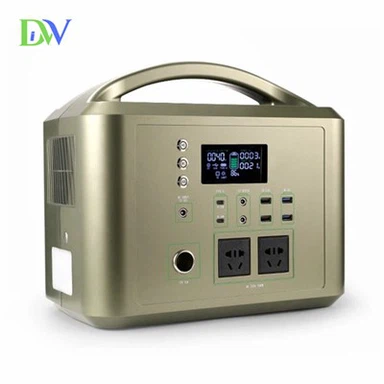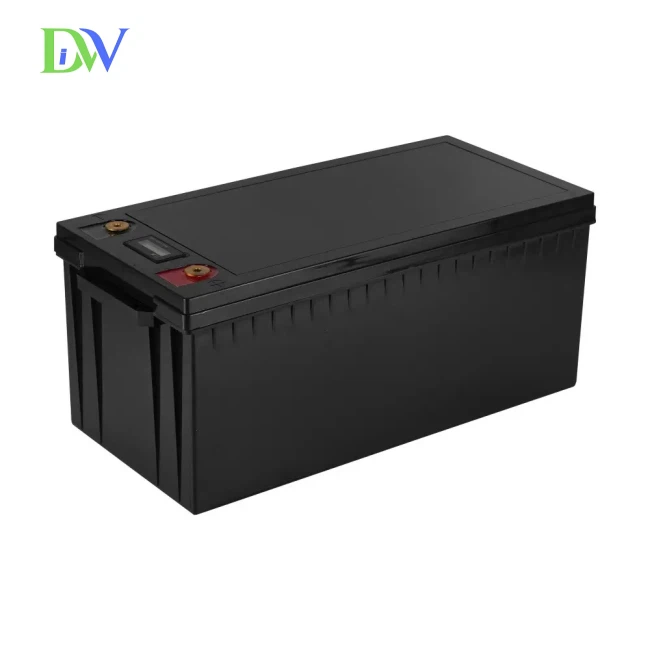
Lithium Ferro Phosphate Battery
The lithium iron phosphate battery (LiFePO4 battery) or LFP battery (lithium ferro phosphate) is a type of lithium-ion battery using lithium iron phosphate (LiFePO4) as the cathode material, and a graphitic carbon electrode with a metallic backing as the anode.
- Fast Delievery
- Quality Assurance
- 24/7 Customer Service
Product Introduction
DAW Power Technology Co., Ltd
DAW Power Technology Co., Ltd. is an innovative enterprise focusing on independent research and development, production and sales of battery products, mainly engaged in battery-related products and services such as ternary lithium batteries, lithium iron phosphate batteries, lithium batteries, solar energy storage Battery, and special demand batteries. The company adheres to scientific and technological innovation as the core, and is committed to becoming the world's leading provider of battery products and solutions.
Why Choose Us
Advanced R&D team
Our factory has an excellent research and development (R&D) team, including 80 PhD students and 200 master researchers.
State-of-the-art production facilities
Our production base features advanced machinery and equipment, including automated assembly lines, precision coating machines and temperature-controlled storage areas.
Comprehensive product portfolio
Our factory provides a full range of lithium iron phosphate battery products, including battery cells, high and low voltage wiring harnesses, battery management systems (BMS), battery cases, etc.
Strict quality control
We adhere to strict quality control procedures throughout the manufacturing process and conduct extensive testing to ensure our batteries perform reliably under a variety of conditions, including extreme temperatures and high loads.

The wall mounted lithium battery is an advanced battery system designed to provide backup power for a wide range of applications. It uses Lifepo4 batteries, which are known for their high energy density, long cycle life and excellent safety features.

High Power UPS Lithium Battery
High Power UPS Lithium Battery is a powerful, reliable and efficient battery designed for uninterruptible power supply applications. The battery is designed to provide reliable backup power, protect critical loads and reduce the risk of downtime in a variety of applications.

This product is specially designed to cater to the needs of our clients who require a high-performance, high-capacity, and reliable power source for their various applications, ranging from data centers to emergency backup systems.
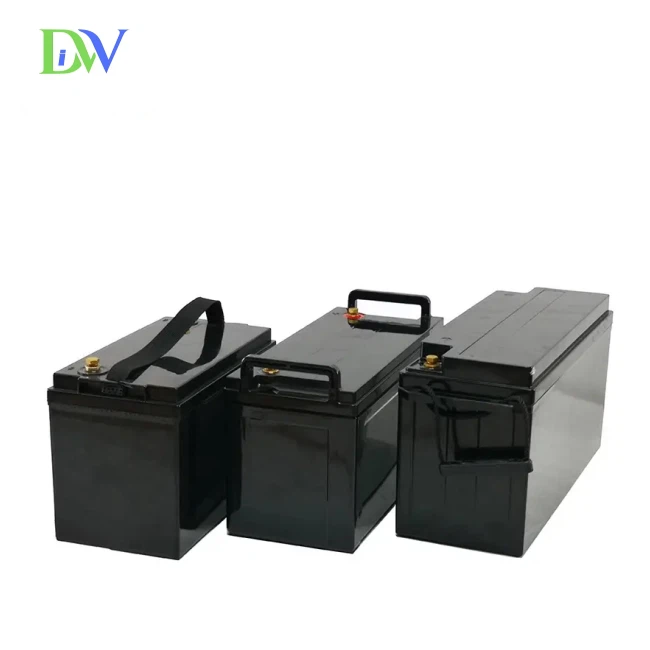
This Lithium battery for camper is a high-performance deep cycle battery based on a patented Lithium Iron Phosphate (LiFePO₄) chemistry. This is an excellent choice for anyone looking for reliable and long-lasting power for their camper.
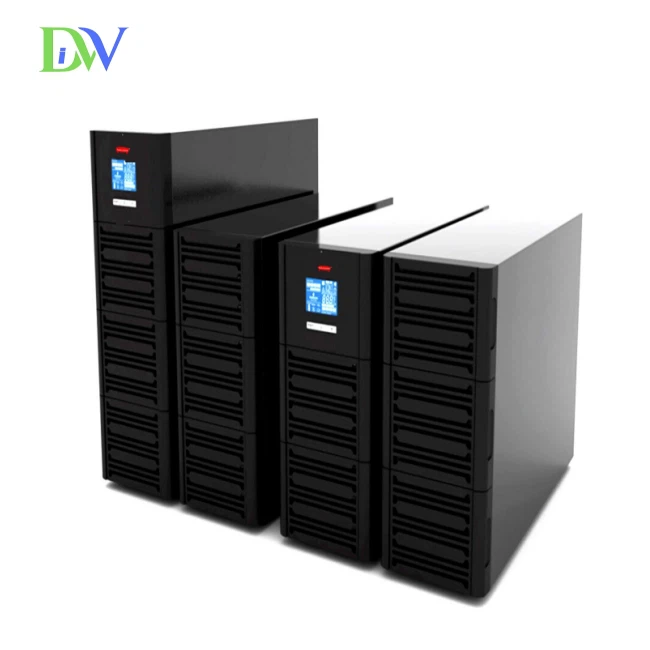
UPS Energy Storage Battery is a vital energy storage solution that is designed to provide uninterrupted power supply during power outages. This device is created with advanced technology and technical features that make it efficient and reliable.
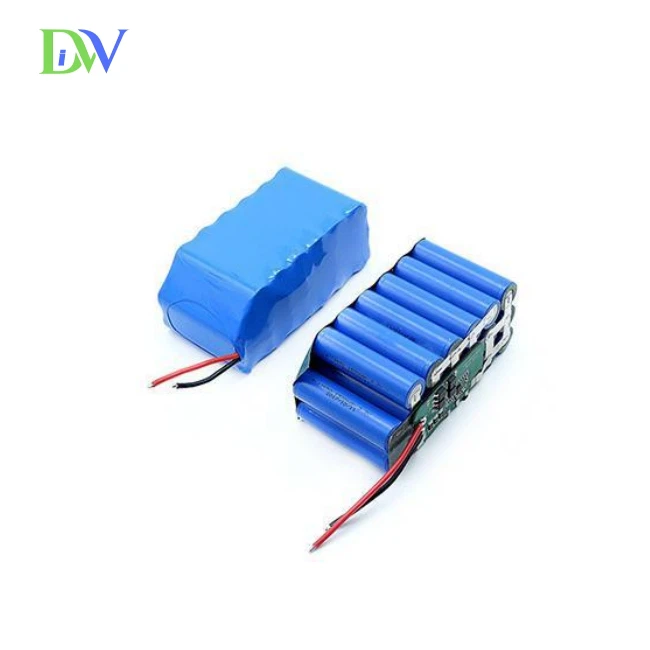
Low Temperature Lithium Battery
That's where the Low temperature resistant lithium battery comes in, as it offers better performance, safety, and longevity than conventional batteries while operating in harsh climates and low temperatures.
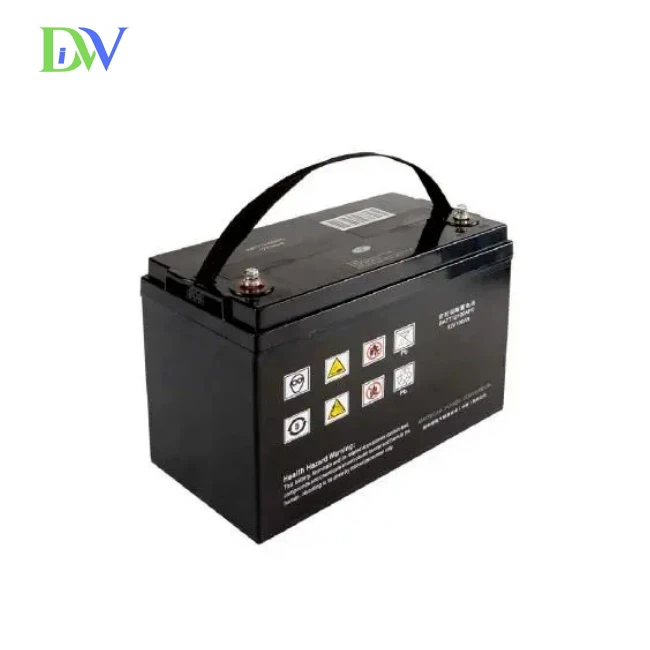
In today's world, electricity is certainly one of the most important things, especially in emergency situations. Power outages can stop any business or home or even entire areas.
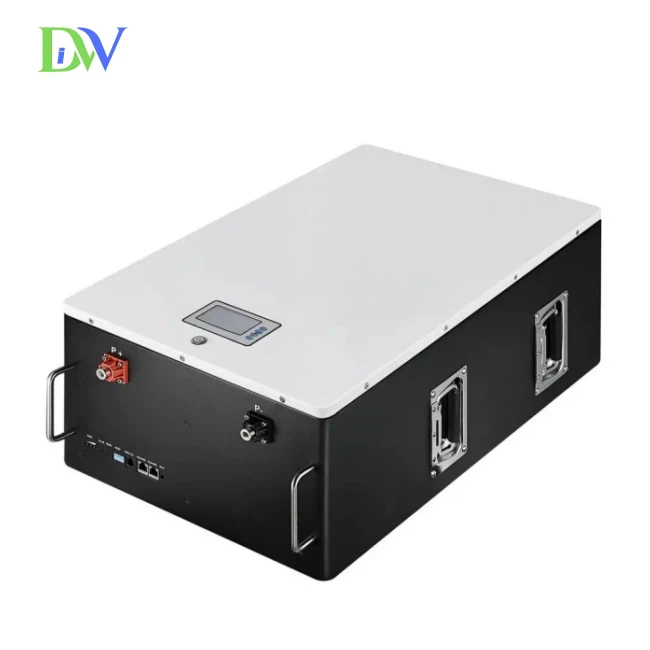
The Smart Home Lithium Battery is not only a storage device for energy but also a power management system. With its state-of-the-art technology, it is able to regulate energy usage in your home to ensure optimal efficiency and convenience.
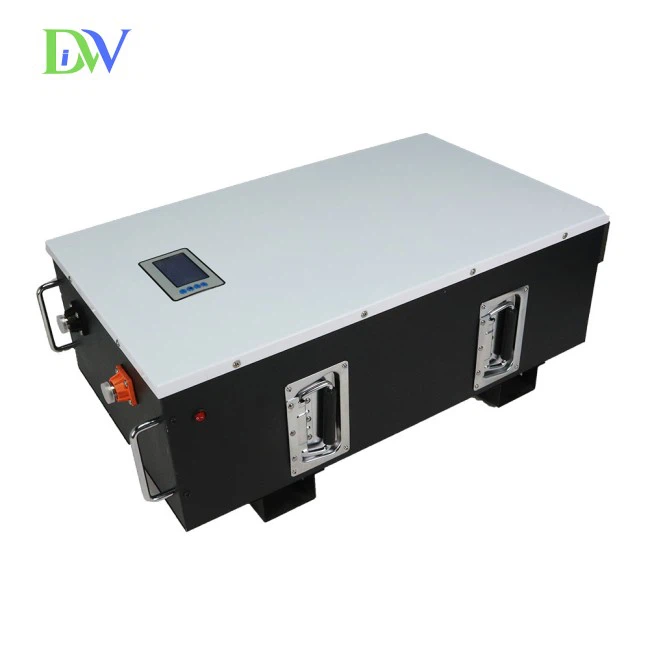
Our Powerwall Home Battery has a capacity of up to 14 kWh, which means that it can store a significant amount of energy. This is particularly useful if you have a solar panel system and want to store excess energy for use later on.
What is Lithium Ferro Phosphate Battery
The lithium iron phosphate battery (LiFePO4 battery) or LFP battery (lithium ferro phosphate) is a type of lithium-ion battery using lithium iron phosphate (LiFePO4) as the cathode material, and a graphitic carbon electrode with a metallic backing as the anode. Because of their low cost, high safety, low toxicity, long cycle life and other factors, LFP batteries are finding a number of roles in vehicle use, utility-scale stationary applications, and backup power.
Benefits of Lithium Ferro Phosphate Battery
Longer Lifespan
LFPs have a longer lifespan than any other battery. A deep-cycle lead acid battery may go through 100-200 cycles before its performance declines and drops to 70–80% capacity. On average, lead-acid batteries have a cycle count of around 500, while lithium-ion batteries may last 1,000 cycles.
Improved Safety
LiFePO4 is a safer technology when compared to Li-ion and other battery types. Specifically, they don't have the issues of toxic fumes and off-gassing associated with Lithium-ion and lead-acid. LFPs have improved the technology to avoid these dangerous issues, using a non-flammable electrolyte as part of the battery's chemistry.
Fast Charging
You can charge LiFePO4 batteries much more quickly compared to other battery types, typically within 1-2 hours using AC power and 3-6 hours using solar panels. The actual charging time depends on several factors, including battery capacity, current, and charging method.
Wider Operating Temperature Range
LiFePO4 batteries have an operating temperature range between -4°F and 140°F (-20°C to 60°C). The temperature range allows them to perform well even in climates or conditions with extreme cold or heat.
High Energy Density
LFPs have a higher energy density compared to some other battery types. Energy density refers to the amount of energy a battery can store per unit of volume or weight. LiFePO4 batteries have an energy density of around 130-140 Wh/kg-4 times higher than the typical lead-acid battery density of 30-40 Wh/kg.
Eco-Friendly
As mentioned earlier, LiFePO4 batteries have a much longer lifespan than comparable Li-ion and lead-acid batteries. It means they require replacement far less often, leading to fewer batteries in landfills.

Lithium iron phosphate (LiFePO4) battery is made of power-generating electrochemical cells to power electrical devices. The LiFePO4 battery consists of an anode, cathode, separator, electrolyte, and positive and negative current collectors. The positive terminal of a battery is called the cathode, whereas the negative terminal is termed as the anode. The anode terminal acts as the source of lithium ions. The electrolyte carries positively charged lithium ions from the anode to the cathode and vice versa through the separator.
The movement of the lithium ions creates free electrons in the anode and as a result, electrons will flow through an external circuit to the cathode i.e. positive terminal, and accordingly, a current will flow from the positive terminal to the negative terminal when an electric load is connected across the battery. The cell consists of concentric alternating layers of the negative and positive electrode materials between which separator layers are situated. The cell is then filled with electrolyte to allow ion conduction.
Lithium iron phosphate batteries have the ability to deep cycle but at the same time maintain stable performance. A deep-cycle is a battery that's designed to produce steady power output over an extended period of time, discharging the battery significantly. At that point, the battery must be recharged to complete the cycle. This makes LFP batteries an ideal solution for deep cycle leisure applications that require energy over extended periods, especially when they are only charged occasionally, such as solar and off-grid applications.
What is the Difference Between Lithium Ferro Phosphate Battery and lithium-ion Energy Level Differences?
There are significant differences in energy when comparing lithium-ion and lithium iron phosphate. Lithium-ion has a higher energy density at 150/200 Wh/kg versus lithium iron phosphate at 90/120 Wh/kg. So, lithium-ion is normally the go-to source for power hungry electronics that drain batteries at a high rate.
On the other hand, the discharge rate for lithium iron phosphate outmatches lithium-ion. At 25C, lithium iron phosphate batteries have voltage discharges that are excellent when at higher temperatures. The discharge rate doesn't significantly degrade the lithium iron phosphate battery as the capacity is reduced.
How to Properly Charge Lithium Ferro Phosphate Battery?
Constant Current (CC) Charge
Constant charging current, e.g. 0.5C, the voltage is continuously increasing during the charge, reaching the max voltage. (Such as 14.6V). During the entire charging process, the charging current is kept constant by adjusting the output voltage. The advantage of this method is that it is easy to operate, convenient, easy to implement, and easy to calculate the charging power.
Constant Voltage (CV) Charge
Constant voltage, slowly the current decreases to below 0.05C. This charging method only considers the change of the single state of the battery voltage, and cannot effectively reflect the overall charging status of the battery. Its initial charging current is too large, which often causes damage to the power battery.
Trickle Charge
This part can also be called float charge, but for LiFePO4 batteries, float charge is not necessary. If lead-acid batteries do not reach 100% SOC, sulphation will happen on plates. It will result in a capacity loss. But there is no need for LiFePO4 battery to charge to 100%, there is no sulphation. On the contrary, if a LiFePO4 battery is overcharged, too many lithium ions will accumulate at one end of the electrode, which will lead to electron escape.
Charge Current
It is recommended to keep the charging current of LiFePO4 batteries below 0.5C, as overheating due to rapid charging can cause a negative effect on the battery. Although the current limit for your battery is 1C or higher. Lead-acid batteries are generally recommended to be charged under 0.2C.
Charge Voltage
The charge voltage of LiFePO4 battery is recommended to be 14.0V to 14.6V at 25℃, meaning 3.50V to 3.65V per cell. The best recommended charge voltage is 14.4V, which is 3.60V per cell. Compared to 3.65V per cell, there is only a little of the capacity reduced, but you will have a lot more cycles.
Charge Temperature
The charging temperature range for LiFePO4 batteries is 0°C to 55°C. It is not recommended to charge below 0°C, theoretically, it is allowed a small current of 0.05C to 0.1C. However, charge under 0°C will crystallize the lithium ions, thus reducing the effective capacity. So, if not necessary, do not charge below 0°C.
Charge in Series
Before connecting LiFePO4 batteries in series, it is recommended all batteries be fully charged to achieve a high consistency of each battery. Because the circuit will shut down when one battery hits the high-end voltage, or low-end voltage, meanwhile, there can be energy left in other batteries. Regularly check the battery voltage to keep the voltage difference within 50mV (0.05V), it will effectively extend the battery lifetime.
Application of Lithium Ferro Phosphate Battery
Electric Vehicles
LiFePO4 batteries are a popular choice for electric vehicle manufacturers. They have high energy density, long cycle life, and are safe to use compared to other lithium-ion batteries. But lithium iron phosphate battery still occupies an irreplaceable advantage in bus, logistics vehicle, and so on. The latest data show lithium iron phosphate batteries accounted for half of the total battery shipments.
Renewable Energy Storage
LiFePO4 batteries are used to store energy generated by renewable sources such as wind and solar power. They are ideal for this application because they can store a large amount of energy, and they can charge and discharge rapidly.
Backup Power
LiFePO4 batteries are suitable for use as a backup power source in case of a power outage. They are commonly used for backup power in data centers, hospitals, and other critical facilities because they can provide reliable energy when needed.
UPS systems
LiFePO4 batteries are also used in Uninterrupted Power Supply (UPS) systems. These systems are designed to provide power in case of a power outage, and LiFePO4 batteries are ideal for this application because they can provide reliable, long-lasting power.
Marine Applications
LiFePO4 batteries are used in marine applications such as boats and yachts due to their high safety and long cycle life. They provide a reliable source of power for electronic devices and equipment on board. Moreover, LiFePO4 batteries have a higher life cycle, lower loss, and lower storage depletion rates as compared to lead-acid batteries.
Consumer Electronics
LiFePO4 batteries are used to power a range of electronic devices, especially those that require high power. They are commonly used in power tools, portable speakers, and other consumer electronics.
What to Consider When Choosing Lithium Ferro Phosphate Battery
When choosing a LiFePO4 battery, capacity and voltage are two key factors. Capacity determines how much energy a battery can store and is usually measured in ampere-hours (Ah) or watt-hours (WH). The specific requirements depend on the energy requirements of the equipment. Small devices such as flashlights or smartphones may only need 500mAh, while larger devices such as electric cars or home energy storage systems require hundreds to thousands of Ah of capacity.
The battery management system (BMS) is an integral part of the LiFePO4 battery pack. It acts as the "brain" of the battery, monitoring and managing all aspects of the battery's operation, including ensuring that all parts of the battery work evenly, regulating the temperature, and preventing the battery from overcharging and discharging. When buying a LiFePO4 battery, be sure to choose one with a reliable BMS to optimize battery performance and improve safety.
Cycle life refers to the number of times a battery can be charged and discharged before its capacity drops significantly. High-quality LiFePO4 batteries typically have a cycle life of between 2,000 and 6,000 cycles. Batteries with a shorter cycle life need to be replaced more frequently, which can cost a lot of money and time.
The physical size and weight of LiFePO4 batteries are crucial considerations, especially if space is limited or weight is limited in your application. Evaluate the size and weight of the battery to make sure it fits in your available space and doesn't affect the overall performance or portability of your system.
Finally, consider the price of the battery. The price of LiFePO4 batteries will vary depending on capacity, cycle life and other features. While it's tempting to choose the cheapest battery, it's also important to consider the overall value for money. Higher-priced batteries may have longer cycle life, faster charging times, and better safety features, making them a more cost-effective option in the long run.
Lithium Ferro Phosphate Battery Common Troubleshooting and Solution
Battery Unable to Activate
If the battery won't activate and allow charge/discharge over 1A, severe overdischarge is likely. Self-discharge or parasitic loads can deplete cells below 10V. Use a lithium battery charger on activation or force charge mode to revive.
Undervoltage Protection Triggered
The battery management system (BMS) cuts off discharge if the voltage drops too low, preventing cell damage. Disconnect loads immediately and charge above 1A to recover.
Overvoltage Protection Activated
Charging too high can trigger the BMS to stop charging. Disconnect the charger, reduce voltage 0.2-0.4V for 6 hours, then retry charging at proper voltage. Persistent issues may require BMS replacement.
High/Low Temperature Protection
Extreme temperatures trigger BMS protection. Disconnect the battery and cool down or warm up as needed before resuming use. The BMS will automatically reset when back in normal temperature range.
Internal Short Circuit
A short inside the battery causes high heat and current draw. Remove short as soon as possible. Charge above 1A to recover. Improve quality control to prevent internal shorts.
Overcurrent Protection
Excessive charge or discharge current will trigger BMS overcurrent protection. Immediately disconnect the battery until current returns to normal levels.
Charge the battery properly: One of the most important factors that affect the lifespan of a LiFePO4 battery is how it is charged. Always use a charger that is specifically designed for LiFePO4 battery and follow the manufacturer's instructions carefully. Overcharging or undercharging can damage the battery, so it is important to monitor the charging process and remove the battery from the charger once it is fully charged.
Store the battery correctly: If you are not using the battery for an extended period of time, it is important to store it correctly to prevent damage. Store the battery in a cool and dry place, away from direct sunlight and heat sources. Ideally, the battery should be stored at around 50% charge. If the battery is fully charged or discharged, it can lead to a shorter lifespan.
Keep the battery clean: It is important to keep the battery and its contacts clean and free from dust and dirt. Use a clean and dry cloth to wipe the battery and its contacts regularly. If there is any corrosion or buildup on the contacts, clean them with a small amount of rubbing alcohol.
Avoid extreme temperatures: LiFePO4 battery perform best at temperatures between 15°C and 25°C. Extreme temperatures can damage the battery and reduce its lifespan. Avoid exposing the battery to temperatures below -20°C or above 60°C. If you are using the battery in an environment with extreme temperatures, try to keep it insulated or use a battery heating or cooling system.
Avoid deep discharging: LiFePO4 battery are not designed to be fully discharged. Avoid using the battery until it is completely drained, as this can damage the battery and reduce its lifespan. Instead, recharge the battery once it reaches around 20-30% of its capacity.
FAQ
Hot Tags: lithium ferro phosphate battery, China lithium ferro phosphate battery manufacturers, suppliers, factory, AGV Lithium Battery, Automated Guided Vehicle Battery, sweeper battery, floor sweeping machine lithium battery, home emergency power supply, microgrid battery storage system