

What is the influence of battery size on the performance of a UPS backup lithium battery?
Oct 24, 2025
Hey there! As a supplier of UPS backup lithium batteries, I've been getting a lot of questions lately about how battery size impacts the performance of these essential power solutions. So, I thought I'd take a deep dive into this topic and share my insights with you all.
Let's start by understanding what a UPS (Uninterruptible Power Supply) backup lithium battery is all about. In simple terms, it's a battery system that kicks in when the main power source fails, providing emergency power to keep your critical equipment running. Whether it's for your home office, a data center, or industrial applications, having a reliable UPS backup is crucial.
Now, onto the main question: what's the influence of battery size on the performance of a UPS backup lithium battery? Well, there are several key aspects to consider.
Runtime
One of the most obvious impacts of battery size is the runtime. In general, a larger battery can store more energy, which means it can power your equipment for a longer period during a power outage. For example, if you have a small battery in your UPS, it might only be able to keep your computer running for 15 - 20 minutes. But if you upgrade to a larger battery, you could potentially extend that runtime to an hour or more. This is especially important for applications where you need to shut down your systems gracefully or wait for the main power to be restored.
Imagine you're running a small business, and a power outage occurs. With a larger UPS backup lithium battery, you have more time to save your work, close down your servers properly, and avoid any data loss or system damage. On the other hand, a smaller battery might leave you scrambling to save what you can before the power runs out.
Power Output
Another important factor is the power output. A larger battery can typically provide a higher power output, which is essential for running high - power devices. Some equipment, like servers or industrial machinery, require a significant amount of power to operate. If your UPS battery is too small, it might not be able to supply enough power to keep these devices running smoothly.
For instance, if you have a server that requires 1000 watts of power, a small battery might only be able to supply 500 watts. This could lead to the server shutting down prematurely or experiencing performance issues. A larger battery, however, can handle the higher power demand and ensure that your server stays up and running during a power outage.
Charging Time
Battery size also affects the charging time. Larger batteries usually take longer to charge compared to smaller ones. This is because they have more capacity to fill with energy. When the main power is restored after an outage, a large battery might take several hours to fully recharge, while a small battery could be ready to go in just an hour or two.
This can be a consideration if you expect frequent power outages. If your UPS battery takes a long time to recharge, you might be at risk of not having a fully charged battery for the next outage. On the other hand, a smaller battery can be recharged quickly, giving you more flexibility in case of multiple power disruptions.
Physical Space and Installation
Let's not forget about the physical space and installation requirements. Larger batteries are, well, larger. They take up more space in your room or equipment rack. This can be a challenge if you have limited space available. You need to make sure you have enough room to install and maintain the battery safely.
In addition, larger batteries are often heavier, which can make installation more difficult. You might need to consider the structural integrity of the location where you're installing the battery to ensure it can support the weight. Smaller batteries, on the other hand, are more compact and easier to install, making them a better choice for tight spaces or locations where weight is a concern.
Cost
Cost is always a factor when it comes to any purchase. Larger UPS backup lithium batteries generally cost more than smaller ones. This is due to the increased amount of materials used in their construction and the higher energy storage capacity. However, you need to weigh the cost against the benefits.
If you have critical equipment that needs long - term power backup and high - power output, investing in a larger battery might be worth the extra cost. But if you only need a short - term power solution for a few low - power devices, a smaller battery could be a more cost - effective option.
Applications and Use Cases
Different applications have different requirements when it comes to battery size. For home use, a small UPS backup lithium battery might be sufficient to keep your essential devices, like your router and a few lights, running during a short power outage. You can find more information about Emergency Backup Power on our website, which can help you choose the right solution for your home.
For camping enthusiasts, a Lithium Battery For Camper is a great option. These batteries are designed to be portable and provide enough power to run your camping equipment, such as lights, fans, and small appliances. They usually come in smaller sizes for easy transportation.
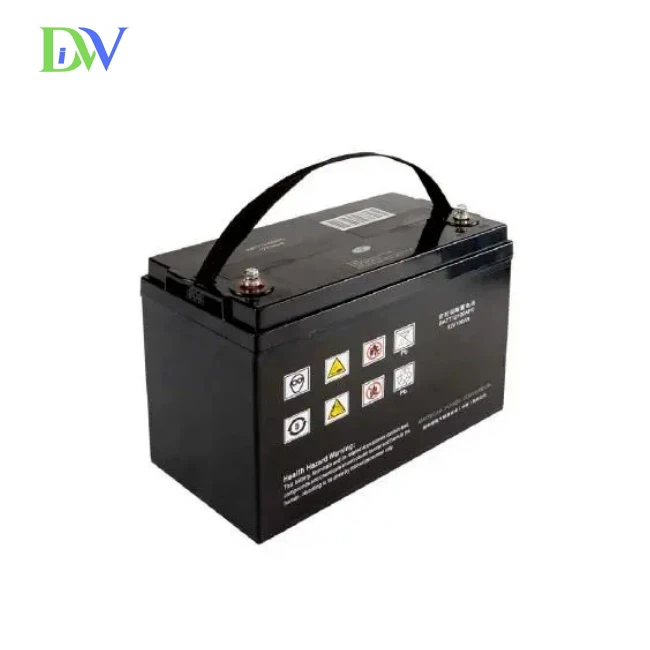
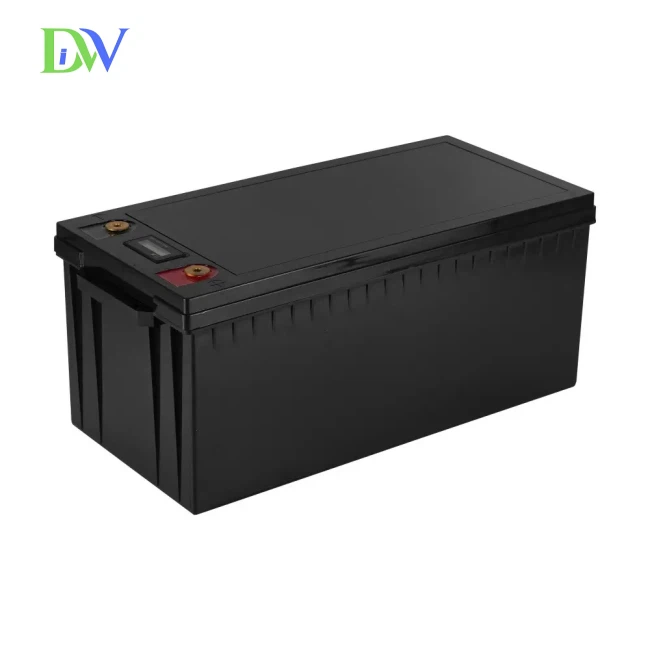
In industrial and commercial settings, larger batteries are often required. Data centers, for example, need large - scale UPS backup systems to ensure the continuous operation of their servers. Our Lithium Ferro Phosphate Battery is a popular choice for these applications due to its high energy density and long lifespan.
Making the Right Choice
So, how do you decide what battery size is right for you? First, you need to assess your power requirements. Make a list of all the devices you want to power during a power outage and calculate their total power consumption. This will give you an idea of the power output and runtime you need from your UPS battery.
Next, consider your budget and the available space. If you have a limited budget or small installation area, a smaller battery might be the way to go. But if you can afford it and have the space, a larger battery will provide more flexibility and reliability.
Finally, think about your future needs. If you plan to expand your equipment or increase your power consumption in the future, it might be a good idea to invest in a larger battery now to avoid having to upgrade later.
As a UPS backup lithium battery supplier, I'm here to help you make the right choice. We have a wide range of battery sizes and configurations to meet your specific needs. Whether you're looking for a small battery for your home or a large - scale solution for your business, we've got you covered.
If you're interested in learning more about our products or have any questions about battery size and performance, don't hesitate to reach out. We're always happy to have a chat and help you find the perfect UPS backup lithium battery for your situation.
References
- Battery University. (n.d.). Understanding Battery Capacity. Retrieved from various online resources on battery technology.
- Power Electronics textbooks. (Multiple editions). These textbooks provide in - depth knowledge about power supply systems and battery performance.
So, there you have it! I hope this blog has given you a better understanding of how battery size impacts the performance of a UPS backup lithium battery. If you're ready to take the next step and explore our products, just let us know. We're looking forward to working with you!