

How to choose an outdoor portable battery for a long - term outdoor trip?
Oct 24, 2025
Embarking on a long - term outdoor trip is an exhilarating adventure that allows you to connect with nature and experience the world beyond the confines of your daily life. However, staying powered up during these extended excursions is crucial, especially when you rely on various electronic devices such as smartphones, cameras, GPS devices, and portable chargers. This is where an outdoor portable battery comes in handy. As an outdoor portable battery supplier, I understand the importance of choosing the right battery for your long - term outdoor trips. In this blog, I'll guide you through the key factors to consider when making this essential decision.
1. Capacity
The capacity of an outdoor portable battery is measured in watt - hours (Wh) or ampere - hours (Ah). It determines how much energy the battery can store and, consequently, how many times it can charge your devices. For a long - term outdoor trip, you'll need a battery with a relatively high capacity.
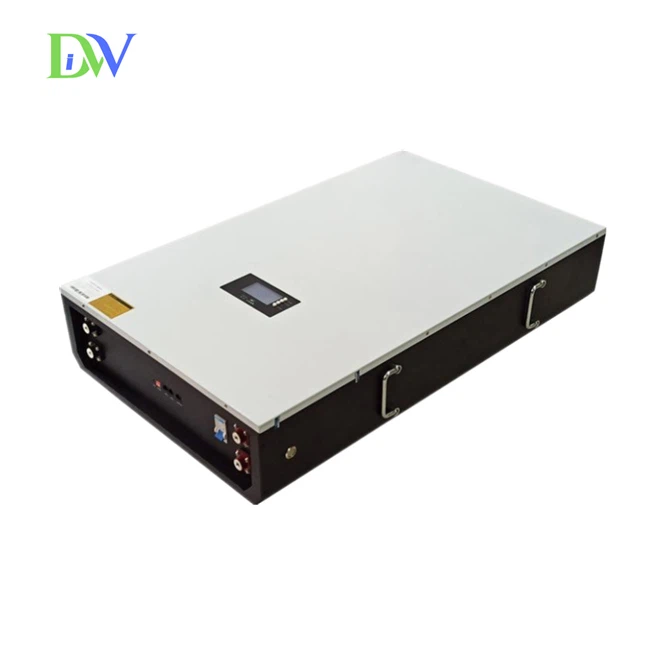
If you're using power - hungry devices like laptops or drones, a battery with a capacity of at least 1000Wh is recommended. For more basic devices like smartphones and small cameras, a 500Wh battery might suffice. Our 3kwh Portable Power Station offers an impressive 3000Wh of capacity, making it ideal for extended outdoor adventures where multiple high - power devices need to be charged.
2. Output Ports
The number and type of output ports on the portable battery are important considerations. Different devices require different types of ports to charge.
- USB Ports: Most smartphones, tablets, and small electronic devices can be charged via USB ports. Look for a battery with multiple USB ports, including both USB - A and USB - C. USB - C ports are becoming increasingly popular as they can support faster charging and can be used to charge a wider range of devices.
- AC Outlets: If you need to charge devices that require a standard household electrical outlet, such as laptops or small appliances, make sure the portable battery has AC outlets. The number of AC outlets can vary, so choose one that meets your needs.
- DC Ports: Some devices, like car chargers or certain camping equipment, may require DC ports. A battery with DC ports gives you more flexibility in charging different types of devices.
3. Recharge Options
During a long - term outdoor trip, you need to be able to recharge your portable battery. There are several recharge options to consider:
- Solar Panels: Solar charging is a sustainable and convenient way to recharge your battery while on the go. Look for a portable battery that is compatible with solar panels. Some batteries come with built - in solar charge controllers, which optimize the charging process and protect the battery from overcharging.
- AC Wall Outlet: When you have access to a power grid, you can recharge the battery using an AC wall outlet. This is the fastest way to recharge the battery, but it's not always available during outdoor trips.
- Car Charger: If you're traveling by car, a car charger is a useful option. You can recharge the battery while driving, ensuring that it's always ready for use.
4. Battery Type
There are different types of batteries used in outdoor portable power stations, each with its own advantages and disadvantages.
- Lithium - Ion Batteries: These are the most common type of batteries used in portable power stations. They have a high energy density, which means they can store a lot of energy in a relatively small and lightweight package. Lithium - ion batteries also have a long lifespan and a low self - discharge rate, making them a popular choice for outdoor use.
- Lead - Acid Batteries: Lead - acid batteries are less expensive but are heavier and bulkier than lithium - ion batteries. They also have a shorter lifespan and a higher self - discharge rate. However, they can be a good option if you're on a tight budget and don't mind the extra weight.
5. Durability
Outdoor environments can be harsh, so your portable battery needs to be durable enough to withstand the elements.
- Waterproof and Dustproof: Look for a battery that is rated with an IP (Ingress Protection) rating. An IP67 rating, for example, means that the battery is completely dust - tight and can be submerged in water up to 1 meter for a limited time.
- Shock Resistance: A battery that is shock - resistant can better withstand accidental drops or impacts during your trip.
- Temperature Resistance: Extreme temperatures can affect the performance and lifespan of a battery. Choose a battery that can operate effectively in a wide range of temperatures, from cold winter nights to hot summer days.
6. Safety Features
Safety should always be a top priority when choosing an outdoor portable battery.
- Overcharge Protection: This feature prevents the battery from being overcharged, which can damage the battery and pose a safety risk.
- Over - discharge Protection: Over - discharging a battery can also reduce its lifespan. Over - discharge protection ensures that the battery doesn't discharge below a safe level.
- Short - Circuit Protection: Short - circuit protection safeguards the battery and your devices from damage in case of a short circuit.
7. Portability
Since you'll be carrying the portable battery with you during your outdoor trip, its portability is an important factor.
- Weight and Size: A lighter and more compact battery is easier to carry. However, keep in mind that higher - capacity batteries tend to be heavier and larger. Look for a balance between capacity and portability that suits your needs.
- Handle and Wheels: Some portable batteries come with built - in handles or wheels, making them easier to transport, especially if you have to carry them over long distances or rough terrain.
8. Brand Reputation and Customer Support
When investing in an outdoor portable battery, it's important to choose a reputable brand.

- Read Reviews: Look for reviews from other outdoor enthusiasts who have used the battery. Their experiences can give you valuable insights into the battery's performance, reliability, and durability.
- Customer Support: A brand with good customer support can provide you with assistance if you encounter any problems with the battery. Make sure the brand offers a warranty and has a responsive customer service team.
9. Cost
The cost of an outdoor portable battery can vary widely depending on its capacity, features, and brand. While it's tempting to go for the cheapest option, it's important to consider the long - term value. A higher - quality battery may cost more upfront but can save you money in the long run by lasting longer and providing better performance.
10. Special Features
Some portable batteries come with additional features that can enhance your outdoor experience.
- Built - in Lights: A battery with built - in lights can be useful for camping at night or in low - light situations.
- Inverter Type: Pure sine wave inverters provide a cleaner and more stable power output, which is better for sensitive electronic devices. Modified sine wave inverters are less expensive but may not be suitable for all devices.
As an outdoor portable battery supplier, we offer a wide range of products to meet the diverse needs of outdoor enthusiasts. Whether you're a casual camper or an experienced adventurer, we can help you find the perfect portable battery for your long - term outdoor trip. If you're interested in learning more about our products or have any questions about choosing the right battery, we encourage you to contact us for a detailed discussion. Our team of experts is ready to assist you in making an informed decision and ensuring that you have a reliable power source for your next outdoor adventure.
References
- "Portable Power Station Buying Guide", Outdoor Gear Lab
- "Understanding Battery Capacity and Performance", Battery University
- "Safety Considerations for Portable Power Stations", Consumer Reports