

Is a Lithium Ion Ups Battery better than a lead - acid UPS battery?
Dec 03, 2025
Hey there! As a supplier of Lithium Ion UPS batteries, I often get asked, "Is a Lithium Ion UPS battery better than a lead - acid UPS battery?" Well, let's dive right into this topic and break it down.
The Basics of UPS Batteries
First off, let's understand what UPS (Uninterruptible Power Supply) batteries are for. They're like the safety nets for our electronic devices. When the main power goes out, these batteries kick in to keep things running. Whether it's your home computer, a big - time data center, or a hospital's life - saving equipment, UPS batteries are crucial.

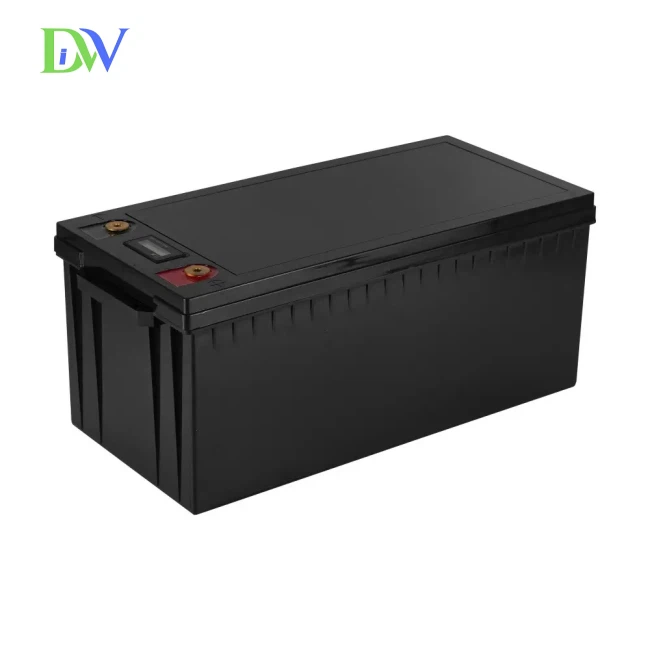
There are two main types of UPS batteries out there: lead - acid and lithium - ion. Lead - acid batteries have been around for ages. They're the old - school option that most people are familiar with. On the other hand, lithium - ion batteries are the new kids on the block, bringing a lot of advanced features to the table.
Performance Comparison
Energy Density
One of the biggest differences between the two is energy density. Lithium - ion batteries have a much higher energy density than lead - acid batteries. What does that mean for you? It means that a lithium - ion UPS battery can store more energy in a smaller and lighter package.
Let's say you have a limited space for your UPS system. With a lead - acid battery, you might need a big, bulky unit to get the same amount of power as a compact lithium - ion battery. This is a huge advantage, especially in places where space is at a premium, like server rooms or small offices.
Charge and Discharge Efficiency
Lithium - ion batteries also shine when it comes to charge and discharge efficiency. They can charge up much faster than lead - acid batteries. In a lead - acid battery, a significant amount of energy is lost as heat during the charging process. But lithium - ion batteries are much more efficient, which means less wasted energy and lower electricity bills in the long run.
When it comes to discharging, lithium - ion batteries can provide a more stable voltage output. This is super important for sensitive electronic equipment. Fluctuations in voltage can cause damage to devices over time. With a lithium - ion UPS battery, you can be sure that your devices are getting a consistent and reliable power supply.
Cycle Life
Cycle life is another area where lithium - ion batteries outperform lead - acid batteries. A cycle is one complete charge and discharge of a battery. Lead - acid batteries typically have a cycle life of around 300 - 500 cycles. That means after 300 - 500 times of charging and discharging, the battery's performance starts to degrade significantly.
In contrast, lithium - ion batteries can handle 2000 - 5000 cycles or even more. This means that a lithium - ion UPS battery will last much longer than a lead - acid battery. You won't have to replace it as often, which saves you money in the long term.
Cost Considerations
Now, I know what you're thinking. If lithium - ion batteries are so much better, they must be really expensive, right? Well, it's true that the upfront cost of a lithium - ion UPS battery is higher than a lead - acid battery. But when you look at the big picture, the cost - effectiveness of lithium - ion batteries becomes clear.
As we mentioned earlier, lithium - ion batteries have a longer cycle life. This means you'll spend less money on replacements over time. Also, their higher charge and discharge efficiency means lower electricity costs. So, even though you're paying more at the start, you'll end up saving money in the long run.
Environmental Impact
In today's world, environmental impact is a big deal. Lead - acid batteries contain lead and sulfuric acid, which are toxic substances. If not disposed of properly, they can cause serious environmental damage. Recycling lead - acid batteries is also a complex and expensive process.
Lithium - ion batteries, on the other hand, are much more environmentally friendly. They don't contain toxic heavy metals like lead. And as technology advances, recycling methods for lithium - ion batteries are becoming more efficient and cost - effective. So, if you're looking to reduce your carbon footprint, a lithium - ion UPS battery is a great choice.
Applications
Data Centers
Data centers are constantly running and need a reliable power supply. Any power outage can lead to data loss and significant financial losses. Lithium - ion UPS batteries are ideal for data centers because of their high energy density, long cycle life, and stable voltage output. They can provide backup power for a longer time in a smaller space, which is crucial in a data center environment.
Renewable Energy Systems
Renewable energy sources like solar power are becoming more popular. Solar Energy Storage Battery systems need a good battery to store the energy generated. Lithium - ion batteries are a great fit for this application. Their high charge and discharge efficiency means they can store and release energy from solar panels more effectively.
Residential Use
For home use, a lithium - ion UPS battery can be a great addition. It can keep your essential appliances running during a power outage. And because of its smaller size, it won't take up much space in your home. You can also choose a Wall Mounted Lithium Battery for easy installation.
Safety
Safety is always a top concern when it comes to batteries. Lead - acid batteries have a risk of acid leakage, which can be dangerous if it comes into contact with skin or eyes. They also produce hydrogen gas during charging, which can be explosive in certain conditions.
Lithium - ion batteries have come a long way in terms of safety. Modern lithium - ion batteries, especially Lithium Ferro Phosphate Battery, are designed with multiple safety features. They are less likely to overheat or catch fire, making them a safer option for most applications.
Conclusion
So, is a Lithium Ion UPS battery better than a lead - acid UPS battery? In most cases, the answer is yes. Lithium - ion batteries offer higher energy density, better charge and discharge efficiency, longer cycle life, lower environmental impact, and better safety features.
If you're in the market for a UPS battery, I highly recommend considering a lithium - ion option. Whether you're a small business owner, a data center manager, or a homeowner, a lithium - ion UPS battery can provide you with a reliable and cost - effective power backup solution.
If you're interested in learning more about our Lithium Ion UPS batteries or want to discuss a potential purchase, don't hesitate to reach out. We're here to help you find the best battery solution for your needs.
References
- Battery University: A comprehensive resource on battery technology and performance.
- Industry reports on UPS battery market trends and comparisons.