


Wall Mounted Lithium Battery
Wall-mounted lithium battery is a type of energy storage system that can be mounted on a wall and used to store electricity for later use.
- Fast Delievery
- Quality Assurance
- 24/7 Customer Service
Product Introduction
DAW Power Technology Co., Ltd
DAW Power Technology Co., Ltd. is an innovative enterprise focusing on independent research and development, production and sales of battery products, mainly engaged in battery-related products and services such as ternary lithium batteries, lithium iron phosphate batteries, lithium batteries, solar energy storage Battery, and special demand batteries. The company adheres to scientific and technological innovation as the core, and is committed to becoming the world's leading provider of battery products and solutions.
Why Choose Us
Advanced R&D team
Our factory has an excellent research and development (R&D) team, including 80 PhD students and 200 master researchers.
State-of-the-art production facilities
Our production base features advanced machinery and equipment, including automated assembly lines, precision coating machines and temperature-controlled storage areas.
Comprehensive product portfolio
Our factory provides a full range of lithium iron phosphate battery products, including battery cells, high and low voltage wiring harnesses, battery management systems (BMS), battery cases, etc.
Strict quality control
We adhere to strict quality control procedures throughout the manufacturing process and conduct extensive testing to ensure our batteries perform reliably under a variety of conditions, including extreme temperatures and high loads.

The wall mounted lithium battery is an advanced battery system designed to provide backup power for a wide range of applications. It uses Lifepo4 batteries, which are known for their high energy density, long cycle life and excellent safety features.

High Power UPS Lithium Battery
High Power UPS Lithium Battery is a powerful, reliable and efficient battery designed for uninterruptible power supply applications. The battery is designed to provide reliable backup power, protect critical loads and reduce the risk of downtime in a variety of applications.

This product is specially designed to cater to the needs of our clients who require a high-performance, high-capacity, and reliable power source for their various applications, ranging from data centers to emergency backup systems.
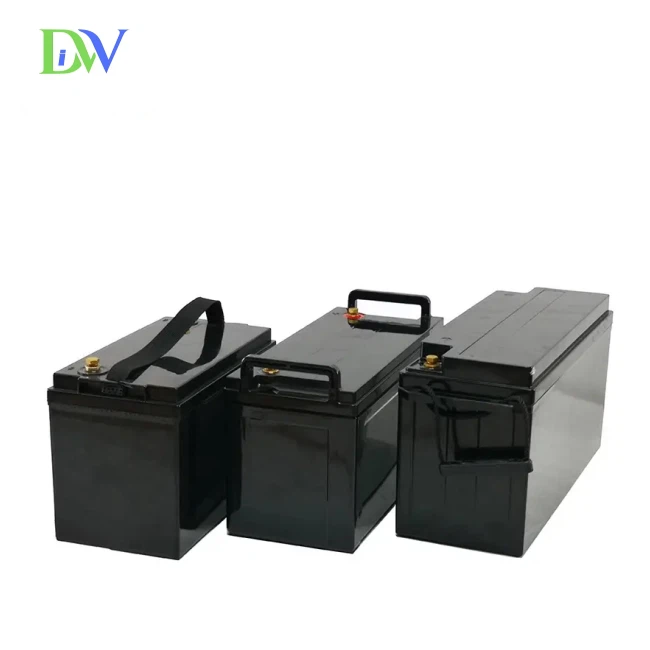
This Lithium battery for camper is a high-performance deep cycle battery based on a patented Lithium Iron Phosphate (LiFePO₄) chemistry. This is an excellent choice for anyone looking for reliable and long-lasting power for their camper.
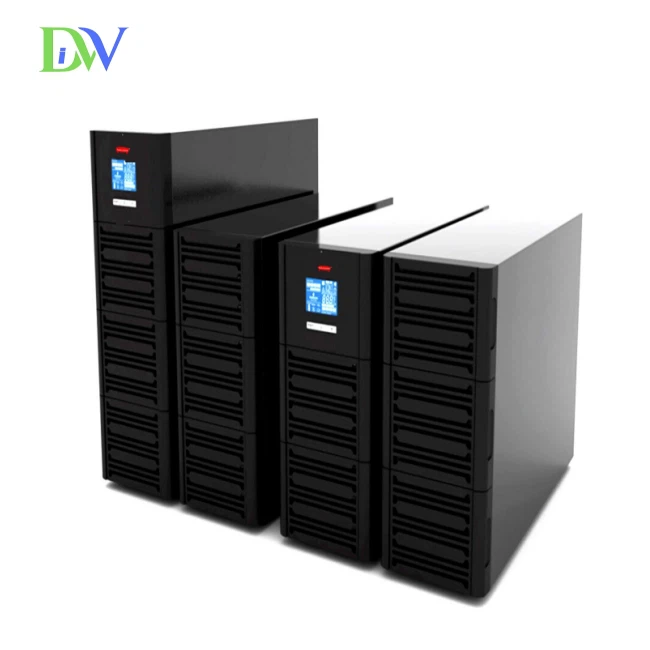
UPS Energy Storage Battery is a vital energy storage solution that is designed to provide uninterrupted power supply during power outages. This device is created with advanced technology and technical features that make it efficient and reliable.
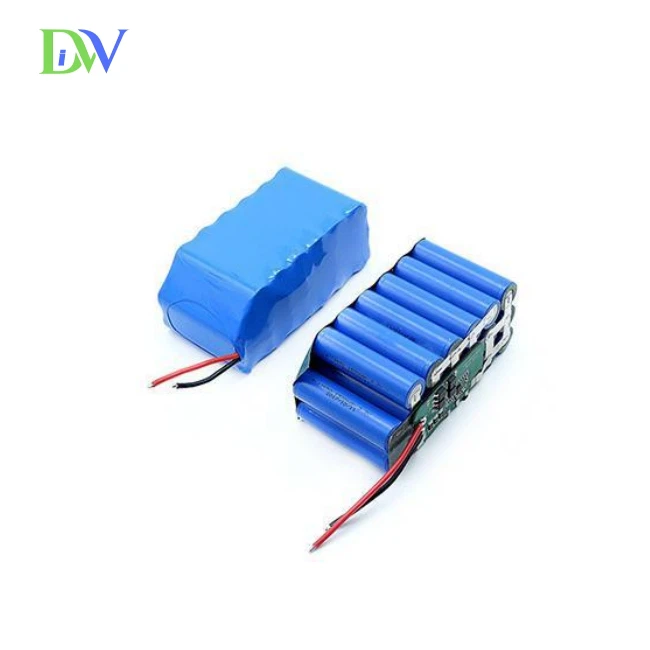
Low Temperature Lithium Battery
That's where the Low temperature resistant lithium battery comes in, as it offers better performance, safety, and longevity than conventional batteries while operating in harsh climates and low temperatures.
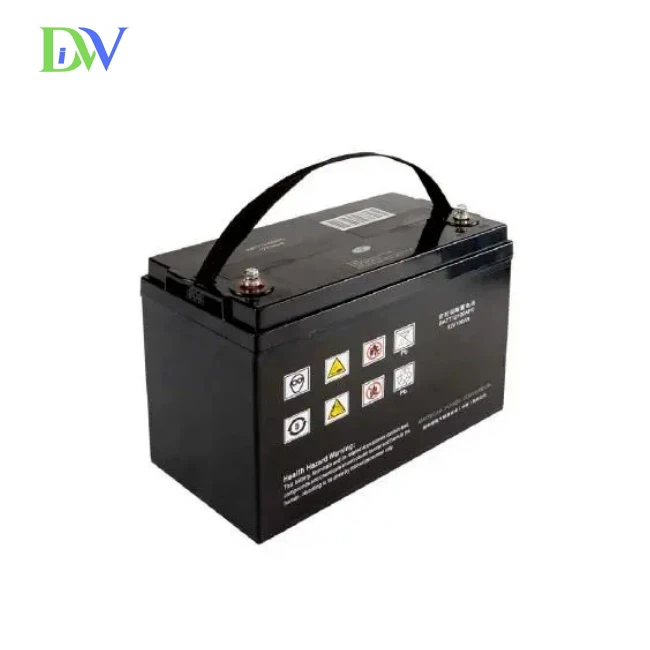
In today's world, electricity is certainly one of the most important things, especially in emergency situations. Power outages can stop any business or home or even entire areas.
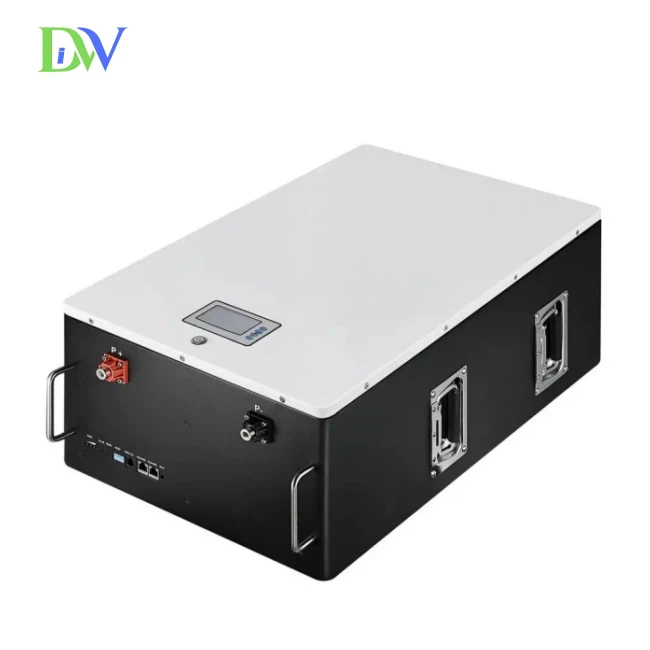
The Smart Home Lithium Battery is not only a storage device for energy but also a power management system. With its state-of-the-art technology, it is able to regulate energy usage in your home to ensure optimal efficiency and convenience.
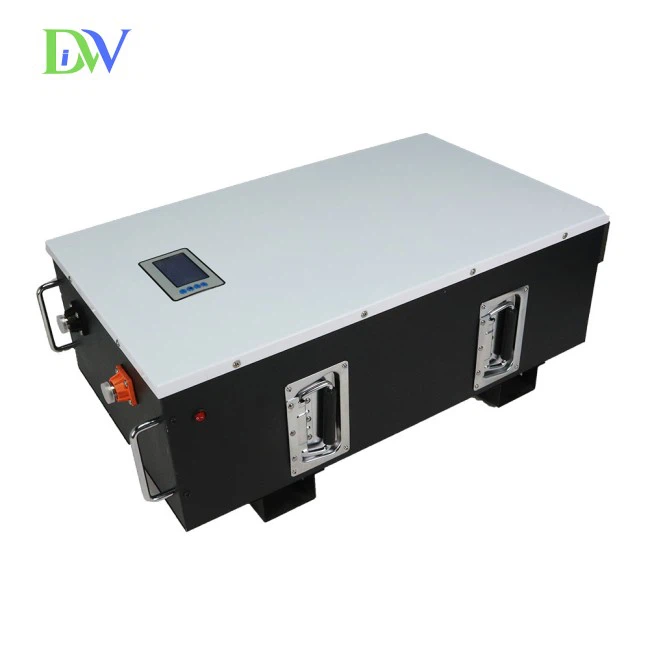
Our Powerwall Home Battery has a capacity of up to 14 kWh, which means that it can store a significant amount of energy. This is particularly useful if you have a solar panel system and want to store excess energy for use later on.
What is Wall Mounted Lithium Battery
Wall-mounted lithium battery is a type of energy storage system that can be mounted on a wall and used to store electricity for later use. Wall-mounted lithium battery is typically used in residential and commercial settings, as well as in off-grid and grid-tied applications. Wall-mounted lithium battery are often preferred over traditional lead-acid batteries because they have a longer lifespan, are more efficient and require less maintenance.
Benefits of Wall Mounted Lithium Battery
Space saving
The wall mounted design allows the battery system to be installed on walls without occupying floor space, making it suitable for places with limited space. This is an excellent choice for compact spaces such as apartments and offices in cities.
Beautiful and elegant
Modern wall mounted lithium battery designs often consider aesthetic appeal and can integrate with the decorative style of home or commercial environments. Users do not need to worry about the battery system affecting the overall aesthetics of the indoor environment. They can freely choose products that are suitable for their home or office and conform to the decorative style.
Easy installation
Wall mounted battery systems are usually designed for plug and play, with a simple installation process and the ability to be quickly put into use. Most wall mounted lithium battery systems provide detailed installation guidelines and are equipped with necessary installation accessories, allowing users to complete the installation in a short period of time.
Integrated design
Wall mounted lithium battery are typically highly integrated systems that include various components such as battery management systems, inverters, and cooling systems. Integrated design not only improves the reliability and stability of the system, but also simplifies the user's operation and maintenance process.
How to Integrate Wall Mounted Lithium Battery With Smart Homes
Smart homes transform our living spaces by incorporating wall-mounted lithium batteries, providing greater energy efficiency, sustainability, and intelligent energy management. The wall-mounted lithium battery has a compact design that easily integrates into the home environment. Cleverly installing them on the wall saves valuable floor space and harmonizes with the aesthetics of modern living spaces. This unobtrusive layout allows homeowners to enjoy the benefits of energy storage without compromising the home's visual appeal.
Smart home systems utilize advanced energy management algorithms to optimize energy consumption based on user preferences, weather conditions, and real-time electricity prices. Users can remotely monitor and control their energy usage through an intuitive interface, enabling a more energy-efficient and cost-effective lifestyle. Wall-mounted lithium batteries, commonly used for residential energy storage, could supplement electric vehicle charging infrastructure and performance.
Wall Mounted Lithium Battery Specification
|
Model No. |
3W512100 |
|
Rated voltage |
48V/51.2V |
|
Rated capacity |
100Ah |
|
Rated energy |
5.12Kwh |
|
Voltage range |
43.2-58.4V |
|
Charge voltage |
58.4V (max.60V) |
|
Charge currency |
100A |
|
Continuous charge currency |
100A |
|
Work temperature |
-20℃-60℃ |
|
Cycle life |
≥8000 times(90%DOD) |
|
Communication |
RS232,RS485,CAN |
|
Connection type |
16S1P |
|
Size |
600*400*165±2mm |
|
Weight |
55±1kg |
|
Material |
Lifepo4 |
Key Considerations When Choosing a Wall Mounted Lithium Battery
The energy capacity, measured in kilowatt-hours (kWh), refers to the total amount of energy the battery can store. Choose a battery with an energy capacity suitable for your needs and typical daily energy usage. For most homes, a battery with 10 to 15 kWh should work well for essential circuits during an outage. Larger homes or those wanting whole-house backup may need 20 kWh or more.
The maximum power, or peak power, rating indicates the rate at which the battery can charge and discharge energy, measured in kilowatts (kW). A higher power rating means the battery can provide energy at a faster rate to quickly start appliances with electric motors like refrigerators, freezers, and medical equipment. For most homes, a 5 to 10 kW battery should provide adequate peak power.
The depth of discharge refers to the amount of energy that can be repeatedly drawn from the battery before recharging. A battery with a higher depth of discharge, like 90%, means more of its energy capacity is usable, allowing it to run essential equipment longer during an outage. However, deeper discharging also shortens the battery's lifespan. For the best balance, choose a battery with a depth of discharge around 80%.
The round-trip efficiency indicates how much energy is lost when charging and discharging the battery. A higher efficiency, typically 90% or greater, means less energy is wasted as heat during these cycles. More efficient batteries can provide power for longer periods between charges. They are also better for the environment since they consume less total energy.
A lithium battery's lifespan is measured by the number of cycles it can provide before losing a certain amount of its capacity, often defined as 80% remaining. More cycles means a longer-lasting battery that will provide emergency backup power for many years. Look for a battery rated for 3,000 to 5,000 cycles or more.
How to Install a Wall Mounted Lithium Battery
Choose the Right Location
Selecting the proper location for your wall-mounted lithium battery is crucial. It should be: Protect the battery from any weather conditions. Ensure adequate airflow to prevent overheating. Easy to reach for maintenance and monitoring.
Prepare the Wall
Mark the spot where you want to install the lithium battery. Use a level to ensure your markings are straight. Most batteries should be installed at eye level for ease of use and monitoring.
Install the Mounting Bracket
Using your drill, secure the mounting bracket to the wall. Ensure it is firmly attached by using wall anchors if you're drilling into drywall or plaster. The mounting bracket will hold the weight of the battery, so it must be secure.
Attach the Battery
Carefully lift the battery and hook it onto the mounting bracket. This step may require an extra pair of hands, as batteries can be heavy and cumbersome. Ensure the battery is securely attached to the bracket.
Electrical Connections
Before making any electrical connections, turn off the main power supply to avoid any risk of electric shock. Use a voltage tester to double-check that no current is flowing. Your battery will connect to your solar inverter. Follow the manufacturer's instructions for wiring the battery to the inverter. Typically, this involves connecting positive and negative wires to the appropriate terminals.
Connect to the Main Supply
The inverter will then connect to your home's main electrical supply. This step is critical and must be done correctly to ensure your system operates safely and efficiently. If you are unsure, consult a professional electrician.
Test the System
Once everything is connected, turn on the main power supply and check your system. Most batteries have an indicator light or display that shows whether they are functioning correctly. Refer to your battery's user manual for specific troubleshooting steps if needed.
Monitor and Maintain
After installation, regularly check your battery's status and performance. Most modern batteries come with a monitoring app or display panel. Regular maintenance checks will help you spot any issues early and ensure your system runs smoothly.
Application of Wall Mounted Lithium Battery
Residential Settings
Wall-mounted lithium batteries also have a number of applications. One of the most common uses is in residential settings, where they can be used to store electricity generated by solar panels. This allows homeowners to use the stored electricity during times when the sun is not shining, such as at night or on cloudy days.
Commercial Settings
Another application of wall-mounted lithium batteries is in commercial settings, such as office buildings or retail stores. These batteries can be used to store electricity generated by on-site solar panels or wind turbines, and can help to reduce the amount of electricity that needs to be purchased from the grid.
Off-grid Settings
Wall-mounted lithium batteries can also be used in off-grid settings, such as remote cabins or RVs, to provide a reliable source of electricity when traditional power sources are not available. They can also be used in grid-tied applications, where they can be used to store excess electricity generated by solar panels or other renewable energy sources, and then feed that electricity back into the grid during times of high demand.
Electric vehicle charging
Wall-mounted lithium batteries can be used to charge electric cars, providing a more sustainable and efficient energy source than traditional fossil fuels. Lithium batteries' lightweight and high energy density make them ideal for electric cars, providing more extended driving range and faster charging times.
Common Reasons for Wall Mounted Lithium Battery Not Charging
Insufficient voltage from the charger
One of the most common reasons for a lithium battery not charging is insufficient voltage from the charger itself. Chargers provide the necessary voltage to recharge the battery. If the voltage output is too low, the battery won't charge properly. To resolve this issue, ensure that you are using a charger with the correct voltage output for your specific lithium battery.
Overheating of the battery or charger
Lithium batteries are sensitive to high temperatures, which can affect the charging process. If the battery or charger becomes too hot during charging, it may prevent the battery from charging effectively. To avoid overheating, make sure to charge your lithium battery in a well-ventilated area and keep it away from direct sunlight or heat sources.
Faulty or damaged charging cables/ports
Sometimes, faulty or damaged charging cables or ports can prevent a lithium battery from charging. Check the cable and port for any signs of damage or wear. If you notice any issues, replace the cable or repair the port to establish a proper connection between the charger and battery.
Battery protection mechanisms engaged
Lithium batteries are equipped with built-in protection circuits designed to prevent overcharging or low temperature, as mentioned earlier. Battery with low temperature protection. When the temperature is below 0°C (32°F), the BMS will cut off the charging. It may be instances where these safeguards are mistakenly activated, leading to difficulties in charging the battery. However, these protective mechanisms play a crucial role in ensuring the battery's safety and longevity.
To accurately measure the capacity of a lithium battery, it is recommended to use a multimeter or specialized battery tester. These tools will provide precise measurements that can be used to determine the health of your battery. When conducting these tests, it is important to ensure that all readings are taken at room temperature and with a consistent discharge rate.
One common method for testing lithium batteries involves discharging the battery until it reaches a specific voltage threshold, typically around 3.0 volts per cell. This allows you to determine how much energy is left in the battery and gives you an idea of how much life remains in the device before needing to recharge.
Another way to test capacity is through coulomb counting, which involves measuring the amount of current that flows in and out of the battery over time. This method requires more advanced equipment but can provide even more accurate results than other testing methods.
How to Maintain Wall Mounted Lithium Battery
Regular Inspection
Inspect the battery and its connections regularly for any signs of wear, corrosion, or damage. Look for loose wires, discoloration, or any physical deformities on the battery casing. Monitor any built-in indicators or display screens for warnings or error messages.
Temperature Control
Ensure the battery is mounted in an environment with a stable temperature, ideally between 59°F (15°C) and 77°F (25°C). Avoid placing the battery in areas subject to extreme heat or cold. Make sure there is adequate ventilation around the battery to prevent overheating. Avoid enclosing the battery in a confined space without proper airflow.
Regular Charging Cycles
Try to avoid letting the battery discharge completely. Lithium batteries perform best and have a longer lifespan when they are kept between 20% and 80% of their capacity. Regularly use and recharge the battery to keep it in good condition. If the battery is not in regular use, perform a full charge-discharge cycle at least once every few months.
Proper Cleaning
Keep the battery and surrounding area free of dust and debris. Use a soft, dry cloth to gently clean the exterior of the battery. Never use liquid cleaners or solvents on the battery, as these can damage the electronics and pose a safety hazard.
FAQ
Hot Tags: wall mounted lithium battery, China wall mounted lithium battery manufacturers, suppliers, factory, Golf Cart Lithium Battery, Projector Lithium Battery, elevator backup battery, Forklift power battery, motorcycle lithium battery, LiFePO4 Golf Cart Battery


