

How to integrate an RV lithium battery into a hybrid RV system?
Dec 25, 2025
Integrating an RV lithium battery into a hybrid RV system can seem like a daunting task, but it's actually quite doable with the right knowledge and approach. As an RV Lithium Battery supplier, I've helped many RV enthusiasts make this upgrade, and I'm here to share some tips on how you can do it too.
Why Upgrade to an RV Lithium Battery?
Before we dive into the integration process, let's quickly touch on why you might want to upgrade to an RV lithium battery in the first place. Lithium batteries offer several advantages over traditional lead - acid batteries. They are lighter, which can improve your RV's fuel efficiency. They also have a longer lifespan, can be charged faster, and can provide a more consistent power output. This means you'll have more reliable power for all your RV appliances and electronics.
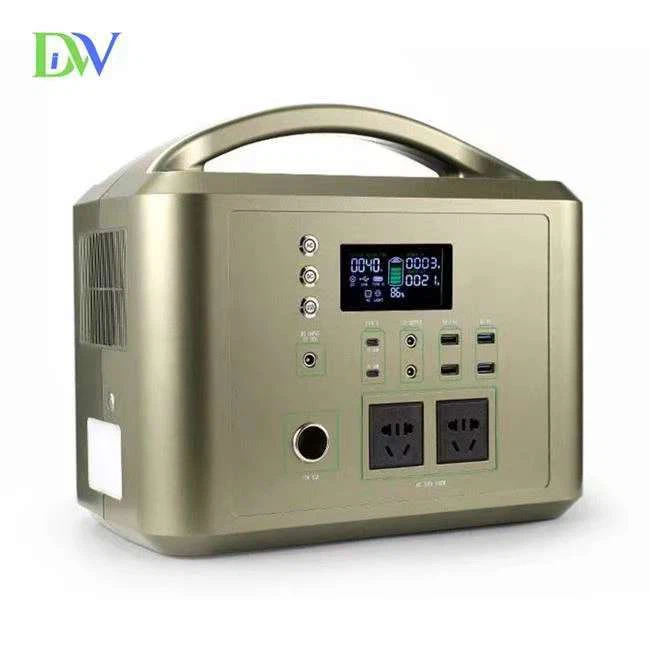

Assessing Your Hybrid RV System
The first step in integrating an RV lithium battery is to assess your current hybrid RV system. You need to understand how much power your RV uses on a daily basis. Make a list of all the appliances and electronics you typically use, such as lights, refrigerator, TV, and charging ports. Check their power ratings (usually listed in watts) and estimate how many hours you use each device per day.
Once you have this information, you can calculate your daily power consumption. For example, if your refrigerator uses 100 watts and you run it for 24 hours a day, that's 2400 watt - hours (Wh) per day. Add up the watt - hours for all your devices to get your total daily power needs.
Choosing the Right RV Lithium Battery
Based on your power consumption calculations, you can choose the right RV lithium battery for your system. Consider factors like battery capacity (measured in amp - hours or Ah), voltage, and the number of batteries you'll need. You'll also want to think about the battery's discharge rate and its ability to handle the power demands of your appliances.
As an RV Lithium Battery supplier, I can offer a range of batteries to suit different needs. If you're looking for a more portable option, you might be interested in our Portable Car Power Bank. It's great for short trips or for providing emergency power. For a more permanent solution, our Wall Mounted Lithium Battery can be a great choice, as it can be easily installed in your RV. And if you need a battery for starting your RV's engine, our Car Start Storage Battery is designed for that specific purpose.
Preparing Your RV for Battery Installation
Before installing the new lithium battery, you need to prepare your RV. First, make sure you have a suitable location for the battery. It should be a well - ventilated area, away from heat sources and flammable materials. You may need to clean the area and remove any old batteries or debris.
Next, check your RV's electrical system. Make sure all the wiring is in good condition and that the connections are tight. You may need to upgrade some of the wiring if it can't handle the higher power output of the lithium battery. It's also a good idea to install a battery disconnect switch. This will allow you to safely turn off the battery when it's not in use or during maintenance.
Installing the RV Lithium Battery
Now it's time to install the battery. Start by carefully placing the battery in the chosen location. Make sure it's secure and won't move around while the RV is in motion. Connect the positive (+) and negative (-) terminals of the battery to the corresponding terminals in your RV's electrical system. Use appropriate cable sizes to ensure a good electrical connection.
When making the connections, be very careful to avoid short - circuits. Always connect the positive terminal first and then the negative terminal. Double - check all the connections to make sure they are tight and there are no loose wires.
Charging System Compatibility
One of the key aspects of integrating an RV lithium battery is ensuring that your charging system is compatible. Lithium batteries have different charging requirements compared to lead - acid batteries. They typically require a charger that can provide a specific charging profile.
Some RVs come with built - in chargers that may not be suitable for lithium batteries. In this case, you may need to upgrade your charger. Look for a charger that is specifically designed for lithium batteries and can provide the correct voltage and charging current.
Monitoring Your Battery
After installation, it's important to monitor your RV lithium battery. Most lithium batteries come with a built - in battery management system (BMS) that can provide information about the battery's state of charge, temperature, and other important parameters. You can use this information to ensure that the battery is operating within its safe limits.
There are also external battery monitors available that can give you more detailed information. These monitors can be installed in your RV's dashboard or a convenient location so you can easily keep an eye on the battery's status.
Safety Considerations
Safety should always be your top priority when working with RV lithium batteries. Lithium batteries can be dangerous if not handled properly. Make sure you follow all the manufacturer's instructions and safety guidelines.
Wear appropriate safety gear, such as gloves and safety glasses, when handling the battery. Avoid overcharging or over - discharging the battery, as this can damage the battery and even pose a fire hazard.
Conclusion
Integrating an RV lithium battery into a hybrid RV system is a great way to improve your RV's power efficiency and reliability. By following these steps, you can successfully make the upgrade and enjoy all the benefits that lithium batteries have to offer.
If you're interested in learning more about our RV lithium batteries or have any questions about the integration process, feel free to reach out. We're here to help you make the best choice for your RV and ensure a smooth installation. Contact us today to start the conversation about your RV battery needs.
References
- Various RV manufacturer manuals
- Lithium battery manufacturer specifications
- Industry articles on RV electrical systems and battery technology