

Do portable storage batteries work in cold weather?
Dec 25, 2025
As a supplier of portable storage batteries, I often encounter questions from customers about the performance of these batteries in various environmental conditions. One of the most frequently asked questions is whether portable storage batteries work in cold weather. In this blog post, I will delve into this topic, exploring the science behind battery performance in cold temperatures, the challenges faced, and the solutions available.
The Science Behind Battery Performance in Cold Weather
To understand how cold weather affects portable storage batteries, it's essential to first grasp the basic principles of battery operation. Most portable storage batteries, such as lithium-ion batteries, rely on chemical reactions to store and release energy. These reactions involve the movement of ions between the battery's electrodes through an electrolyte.
In cold weather, the chemical reactions within the battery slow down. The lower temperature reduces the mobility of ions in the electrolyte, making it more difficult for them to move between the electrodes. This results in a decrease in the battery's ability to deliver power efficiently. Additionally, the internal resistance of the battery increases in cold temperatures, further reducing its performance.
Challenges Faced by Portable Storage Batteries in Cold Weather
The reduced performance of portable storage batteries in cold weather can pose several challenges for users. Here are some of the most common issues:
- Reduced Capacity: Cold temperatures can significantly reduce the available capacity of a battery. This means that the battery will not be able to store as much energy as it would at normal temperatures, resulting in shorter run times for devices powered by the battery.
- Lower Voltage Output: As the chemical reactions slow down in cold weather, the voltage output of the battery also decreases. This can cause devices to malfunction or shut down prematurely, especially if they require a minimum voltage to operate.
- Increased Charging Time: Charging a battery in cold weather can take longer than at normal temperatures. The slow chemical reactions make it more difficult for the battery to accept a charge, and the increased internal resistance can cause the battery to heat up during charging, which can further reduce its performance.
- Battery Damage: Extreme cold temperatures can cause permanent damage to a battery. If the battery is exposed to very low temperatures for an extended period, the electrolyte can freeze, which can damage the battery's internal structure and reduce its lifespan.
Types of Portable Storage Batteries and Their Cold Weather Performance
There are several types of portable storage batteries available on the market, each with its own characteristics and performance in cold weather. Here are some of the most common types:
- Lithium-Ion Batteries: Lithium-ion batteries are the most widely used type of portable storage battery due to their high energy density, long lifespan, and low self-discharge rate. However, they are also more sensitive to cold temperatures than other types of batteries. In cold weather, lithium-ion batteries can experience a significant reduction in capacity and voltage output, and they may take longer to charge.
- Lead-Acid Batteries: Lead-acid batteries are a traditional type of battery that has been used for many years. They are relatively inexpensive and can provide high levels of power, but they have a lower energy density than lithium-ion batteries and a shorter lifespan. Lead-acid batteries are also more tolerant of cold temperatures than lithium-ion batteries, but they can still experience reduced performance in very cold weather.
- Nickel-Metal Hydride (NiMH) Batteries: NiMH batteries are a type of rechargeable battery that offers a good balance between energy density, cost, and environmental friendliness. They are less sensitive to cold temperatures than lithium-ion batteries, but they have a lower energy density and a shorter lifespan.
Solutions for Using Portable Storage Batteries in Cold Weather
Despite the challenges posed by cold weather, there are several solutions available to help users get the most out of their portable storage batteries in low temperatures. Here are some tips:

- Keep the Battery Warm: One of the most effective ways to improve the performance of a battery in cold weather is to keep it warm. This can be done by using a battery warmer or by storing the battery in an insulated container. If possible, try to keep the battery close to your body or in a warm environment when not in use.
- Preheat the Battery: Before using a battery in cold weather, you can try preheating it to improve its performance. This can be done by placing the battery in a warm environment for a few hours or by using a battery charger with a preheating function.
- Use a Battery with a Higher Cold Cranking Amp (CCA) Rating: If you are using a battery in a cold climate, it's important to choose a battery with a higher CCA rating. The CCA rating indicates the battery's ability to start an engine in cold weather, and a higher rating means that the battery will be able to deliver more power at low temperatures.
- Charge the Battery at a Higher Temperature: Charging a battery at a higher temperature can help to improve its performance and reduce the charging time. If possible, try to charge the battery in a warm environment or use a battery charger with a temperature compensation feature.
Our Portable Storage Batteries and Cold Weather Performance
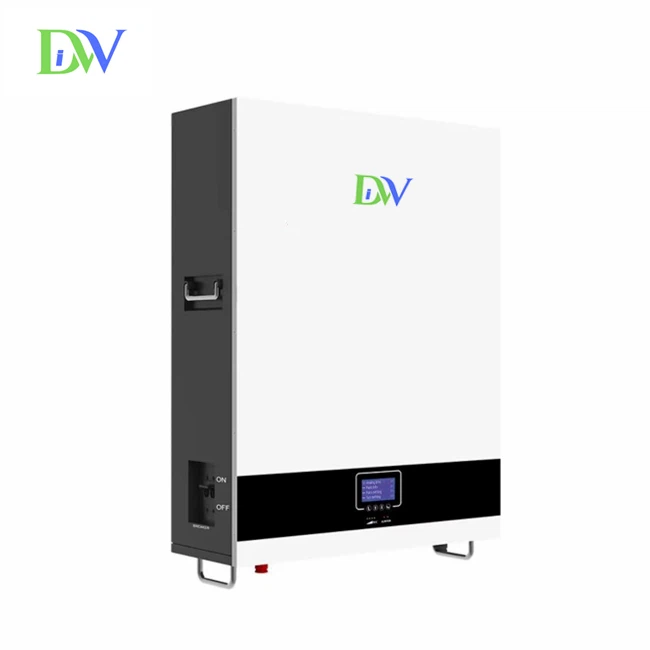
At our company, we offer a range of portable storage batteries that are designed to perform well in cold weather. Our RV Lithium Battery, Powerwall Lithium Battery, and UPS Energy Storage Battery are all engineered with advanced technology to provide reliable performance even in low temperatures.
Our lithium-ion batteries are equipped with a built-in battery management system (BMS) that helps to protect the battery from overcharging, over-discharging, and short-circuiting. The BMS also monitors the battery's temperature and adjusts the charging and discharging parameters to ensure optimal performance in cold weather.
In addition, our batteries are designed with high-quality materials and advanced manufacturing processes to ensure durability and reliability. We conduct rigorous testing on all of our batteries to ensure that they meet or exceed industry standards for performance and safety.
Conclusion
In conclusion, portable storage batteries can work in cold weather, but their performance may be affected by the low temperatures. By understanding the science behind battery performance in cold weather, the challenges faced, and the solutions available, users can take steps to get the most out of their batteries in low temperatures.
At our company, we are committed to providing our customers with high-quality portable storage batteries that are designed to perform well in a variety of environmental conditions, including cold weather. If you have any questions about our products or need help choosing the right battery for your needs, please contact us to discuss your requirements and explore potential partnerships. We look forward to working with you to find the best energy storage solutions for your applications.
References
- Linden, D., & Reddy, T. B. (2002). Handbook of Batteries. McGraw-Hill.
- Chen, Z., & Deng, D. (2011). Lithium-Ion Batteries: Science and Technologies. Springer.
- Burrows, L. L. (2010). Battery Technology Handbook. McGraw-Hill.