

How to check if an outdoor portable battery is fully charged?
Aug 26, 2025
Hey there, outdoor enthusiasts and power-hungry adventurers! As a supplier of outdoor portable batteries, I know how crucial it is to have a fully charged battery when you're out in the wild. Nothing ruins a great outdoor experience like running out of power. So, today, I'm gonna share some tips on how to check if your outdoor portable battery is fully charged.
Understanding Your Battery
First things first, you need to understand the type of battery you're using. Most outdoor portable batteries these days are lithium-ion batteries, which are known for their high energy density, long lifespan, and relatively low self-discharge rate. But there are also other types, like lead-acid batteries, which are heavier and have a shorter lifespan but are more affordable.
The battery's capacity is usually measured in ampere-hours (Ah) or watt-hours (Wh). The higher the capacity, the more power the battery can store. For example, a battery with a capacity of 100Ah can supply a current of 1 amp for 100 hours, or 10 amps for 10 hours.
Using the Built-in Indicators
Many outdoor portable batteries come with built-in indicators that show the battery's charge level. These indicators can be in the form of LED lights, digital displays, or even smartphone apps.
- LED Lights: Most batteries have a series of LED lights that light up to indicate the charge level. For example, a battery with four LED lights might have one light on when the battery is 25% charged, two lights on when it's 50% charged, three lights on when it's 75% charged, and all four lights on when it's fully charged.
- Digital Displays: Some batteries have a digital display that shows the exact charge percentage. This is the most accurate way to check the charge level, as it gives you a precise reading.
- Smartphone Apps: Some high-end batteries can be connected to your smartphone via Bluetooth or Wi-Fi. You can then use a dedicated app to check the charge level, as well as other information like the battery's temperature and voltage.
Measuring the Voltage
If your battery doesn't have a built-in indicator, you can measure the voltage using a multimeter. The voltage of a fully charged battery depends on its type and chemistry. Here are some common voltage ranges for different types of batteries:
- Lithium-Ion Batteries: A fully charged lithium-ion battery typically has a voltage of around 4.2 volts per cell. For example, a 12-volt lithium-ion battery (which usually consists of three cells in series) should have a voltage of around 12.6 volts when fully charged.
- Lead-Acid Batteries: A fully charged lead-acid battery has a voltage of around 2.1 volts per cell. A 12-volt lead-acid battery (which consists of six cells in series) should have a voltage of around 12.6 volts when fully charged.
To measure the voltage, follow these steps:
- Set your multimeter to the DC voltage setting. Make sure the range is set higher than the expected voltage of your battery.
- Connect the positive (red) probe of the multimeter to the positive terminal of the battery, and the negative (black) probe to the negative terminal.
- Read the voltage on the multimeter. If the voltage is close to the expected voltage for a fully charged battery, then your battery is likely fully charged.
Checking the Charging Time
Another way to estimate if your battery is fully charged is to check the charging time. The charging time depends on the battery's capacity, the charging current, and the charger's efficiency.
The formula for calculating the charging time is:
Charging Time (hours) = Battery Capacity (Ah) / Charging Current (A)
For example, if you have a 100Ah battery and you're charging it with a 10A charger, the theoretical charging time would be 10 hours (100Ah / 10A = 10 hours). However, in reality, the charging time is usually longer due to losses in the charging process.
Most chargers have a built-in mechanism to stop charging when the battery is fully charged. So, if you've been charging your battery for the expected amount of time and the charger has stopped, it's likely that the battery is fully charged.

Other Considerations
- Temperature: The temperature can affect the battery's performance and charging time. Batteries charge more slowly in cold temperatures and can overheat in hot temperatures. So, it's best to charge your battery in a moderate temperature environment.
- Age and Usage: Over time, the capacity of a battery will decrease due to normal wear and tear. So, an older battery might not hold a full charge even if it's been charged for the expected amount of time.
Conclusion
Checking if your outdoor portable battery is fully charged is not rocket science. You can use the built-in indicators, measure the voltage, check the charging time, or a combination of these methods.
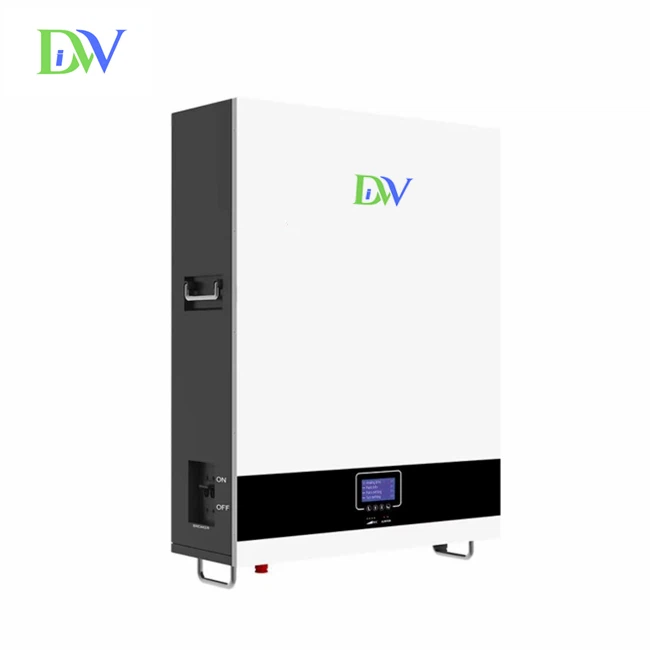
At our company, we offer a wide range of high-quality outdoor portable batteries, including the Powerwall Lithium Battery, Ups Backup Lithium Battery, and Truck Starter Battery. Our batteries are designed to provide reliable power for all your outdoor adventures.
If you're interested in purchasing our products or have any questions, feel free to reach out to us. We're always happy to help you find the right battery for your needs.
References
- Battery University - A comprehensive resource for battery information.
- Manufacturer's manuals - The best source of information for your specific battery.