

What is the float charging voltage for a golf cart lithium battery?
Jan 21, 2026
Hey there, fellow golf cart enthusiasts and battery buffs! I'm an owner of a Golf Cart Lithium Battery supplier, and I'm super stoked to dive into the topic of the float charging voltage for golf cart lithium batteries right here.
Let's start by getting a bit of background. If you're in the market for a top - notch battery solution for your golf cart, our Golf Cart Lithium Battery is something you gotta consider. Lithium batteries have become a game - changer in the golf cart industry. They're lighter, have a longer lifespan, and charge up way faster compared to their lead - acid counterparts.
So, what exactly is float charging? Well, float charging is a charging method used to keep a battery fully charged without overcharging it. When you've got a golf cart that isn't in use for a while, leaving it on float charge ensures that the battery remains in good condition and ready to roll when you need it.
Now, onto the big question: What's the float charging voltage for a golf cart lithium battery? The answer isn't as straightforward as you might think. Different types of lithium batteries have different float charging voltage requirements.
Most commonly, lithium iron phosphate (LiFePO4) batteries are used in golf carts. These batteries usually have a recommended float charging voltage between 13.2V and 13.6V per cell. A standard golf cart battery pack might consist of multiple cells connected in series. For example, a 48V lithium battery pack for a golf cart is typically made up of 16 LiFePO4 cells. So, for this setup, the overall float charging voltage would be around 211.2V - 217.6V.
But why is it so crucial to get the float charging voltage right? If the voltage is too high, you risk overcharging the battery. Overcharging can cause a whole host of problems for lithium batteries. It can lead to the degradation of the battery's electrodes, which shortens the battery's lifespan. In extreme cases, overcharging can even cause the battery to overheat, expand, or in really bad situations, catch fire.
On the other hand, if the float charging voltage is too low, the battery won't be fully charged. This means that the golf cart won't have the full range of power it's supposed to, and the battery will gradually self - discharge over time. You don't want to be stuck on the golf course with a dead battery because the float charging voltage was set wrong!
When choosing a charger for your golf cart lithium battery, make sure it has adjustable float charging settings. This way, you can set the voltage according to the specific requirements of your battery. At our company, we offer chargers that are specifically designed to work with our Golf Cart Lithium Battery lineup. They come with easy - to - use controls that allow you to customize the charging parameters, including the float charging voltage.
Another important thing to keep in mind is the environmental temperature. The performance and charging requirements of lithium batteries can be affected by temperature. In colder temperatures, the float charging voltage might need to be adjusted slightly lower to prevent overcharging. In warmer temperatures, the battery can handle a slightly higher voltage without issues.
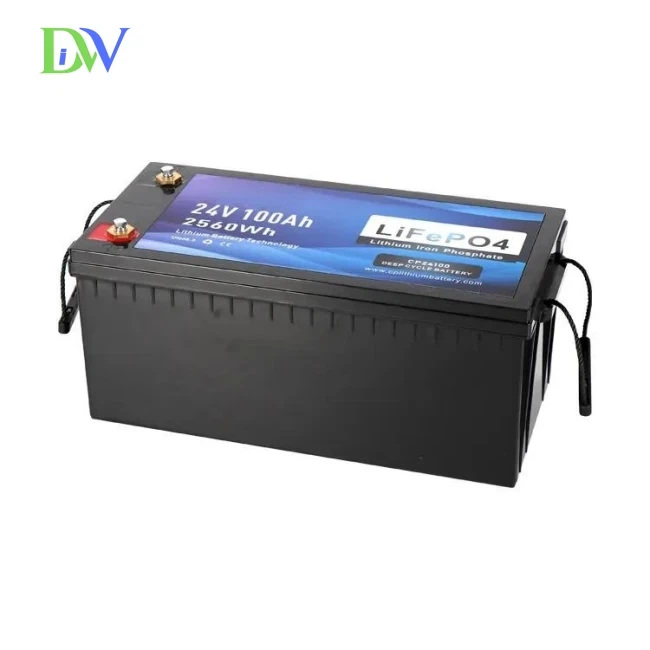
We also supply 24V Lithium Battery Pack, which are popular not only for smaller golf carts but also for other applications like some types of tourist cars. For these packs, the float charging voltage needs to be calculated based on the number of cells in the pack. It's similar to the 48V setup; you need to multiply the per - cell float charging voltage by the number of cells.
The Tourist Car Lithium Battery we offer follows the same principles. Whether it's for short rides around a tourist attraction or longer jaunts, getting the float charging voltage correct is essential for the long - term performance and safety of the battery.
To monitor the float charging process, some advanced chargers come with built - in meters that show the voltage and current levels. You can also use a separate multimeter to check the voltage of the battery during the float charging process. This gives you an extra layer of security and ensures that the battery is being charged correctly.
If you're new to lithium batteries for golf carts, don't worry. We're here to help you every step of the way. Our team of experts has years of experience in the battery industry, and we're always happy to answer any questions you might have about float charging, battery maintenance, or anything else related to our Golf Cart Lithium Battery products.
In summary, the float charging voltage for a golf cart lithium battery depends on the type of lithium battery (mainly focusing on LiFePO4 here), the number of cells in the battery pack, and the environmental conditions. By getting the float charging voltage just right, you can ensure that your golf cart battery lasts longer, performs better, and stays safe.
If you're looking to upgrade your golf cart's battery or need a reliable battery for a tourist car, we're the ones to turn to. Our Golf Cart Lithium Batteries are made with the highest quality materials and tested rigorously to meet the demands of regular use. We're committed to providing you with the best products and support.
So, if you're interested in learning more about our batteries or want to start a purchase discussion, don't hesitate to reach out. We're eager to help you find the perfect battery solution for your needs.
References

- "Lithium - Ion Batteries: Science and Technologies" by Yoshio Nishi, et al.
- "Battery Management Systems for Large Lithium - Ion Battery Packs" by Johan B. G. de Vries