

Can a home backup battery be used for a pool pump?
Aug 26, 2025
Hey there! As a supplier of home backup batteries, I often get asked all sorts of questions about what these nifty devices can and can't do. One question that comes up a fair bit is, "Can a home backup battery be used for a pool pump?" Well, let's dive right in and explore this topic.
First off, let's talk a bit about pool pumps. These things are essential for keeping your pool clean and the water circulating. They typically run on electricity and can vary in power consumption depending on the size of the pool and the type of pump. Some pool pumps can be real power hogs, especially if they're large or have a high - speed setting.
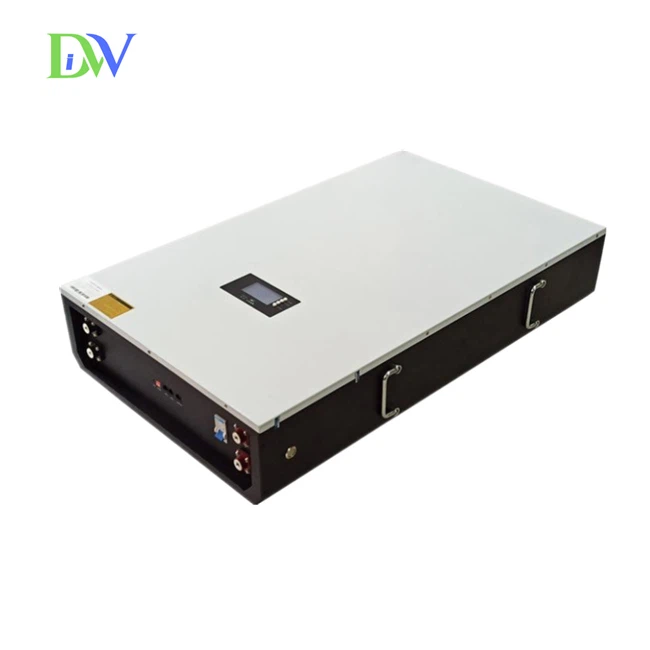
Now, home backup batteries are designed to provide power during an outage. They store energy, usually from solar panels or the grid when electricity is cheap, and then release it when you need it most. There are different types of home backup batteries out there, like the Server Rack LiFePO4 Battery. These LiFePO4 batteries are known for their long lifespan, high energy density, and safety features. They're a popular choice for many homeowners looking for a reliable backup power source.
Another option is the Home Solar Backup Battery. As the name suggests, these are often paired with solar panels. They store the energy generated by the sun during the day, so you can use it at night or during a power outage. And then there's the UPS Energy Storage Battery, which is great for providing short - term power to critical devices, kind of like a buffer between the power going out and your main backup system kicking in.
So, can you use a home backup battery for a pool pump? The short answer is, it depends. There are a few factors you need to consider.
Power Requirements
The first thing you need to know is the power requirements of your pool pump. This is usually measured in watts. You can find this information on the pump's label or in the user manual. Some small pool pumps might only use a few hundred watts, while larger ones can use over a thousand watts. You need to make sure your home backup battery can supply enough power to run the pump.
For example, if your pool pump uses 1500 watts and your backup battery can only supply 1000 watts, it's not going to work. You'll either need to get a more powerful battery or find a way to reduce the pump's power consumption.
Runtime
Another important factor is how long you need the pool pump to run. Home backup batteries have a limited amount of stored energy, so you need to calculate how long they can power the pump. This depends on the battery's capacity (measured in amp - hours or watt - hours) and the pump's power consumption.
Let's say your battery has a capacity of 5000 watt - hours and your pool pump uses 1000 watts. In theory, the battery could power the pump for about 5 hours (5000 watt - hours divided by 1000 watts). But in reality, there are losses due to inefficiencies in the battery and the inverter (which converts the battery's DC power to the AC power the pump needs), so the actual runtime will be a bit less.
Compatibility
The pool pump and the home backup battery also need to be compatible. This includes things like the voltage and the type of power (AC or DC). Most pool pumps run on AC power, so your backup battery will need an inverter to convert the DC power from the battery to AC power. Make sure the inverter can handle the pump's power requirements and is compatible with the battery.
Benefits of Using a Home Backup Battery for a Pool Pump
If you can make it work, there are some great benefits to using a home backup battery for your pool pump.

- Continuous Pool Operation: During a power outage, you don't have to worry about your pool water stagnating. The pump can keep running, which helps prevent algae growth and keeps the water clean.
- Cost Savings: If you have a solar - powered backup battery, you can use the stored solar energy to run the pump instead of relying on the grid. This can save you money on your electricity bills in the long run.
- Environmental Benefits: Using a home backup battery, especially one charged by solar power, reduces your reliance on fossil - fuel - based electricity. It's a more sustainable way to run your pool pump.
Challenges
Of course, there are also some challenges.
- Initial Cost: Home backup batteries can be expensive. You need to factor in the cost of the battery, the inverter, and any installation fees. It might take a while to recoup your investment through energy savings.
- Maintenance: Batteries require some maintenance. You need to keep them charged, check the electrolyte levels (if it's a lead - acid battery), and make sure they're stored in a suitable environment.
Tips for Making It Work
If you're determined to use a home backup battery for your pool pump, here are some tips:
- Choose the Right Battery: Make sure the battery has enough power and capacity to meet your pool pump's needs. Consider the type of battery (LiFePO4, lead - acid, etc.) based on your budget and requirements.
- Optimize Pump Usage: You can reduce the pump's power consumption by running it during off - peak hours or adjusting the speed settings. This can extend the battery's runtime.
- Get Professional Installation: It's a good idea to have a professional install the battery and the inverter. They can ensure everything is set up correctly and safely.
In conclusion, it is possible to use a home backup battery for a pool pump, but it's not a one - size - fits - all solution. You need to carefully consider the power requirements, runtime, compatibility, and the associated costs and benefits. If you're interested in exploring this option further, I'd love to have a chat with you. Whether you're looking for a Server Rack LiFePO4 Battery, a Home Solar Backup Battery, or a UPS Energy Storage Battery, I can help you find the right product for your needs. Just reach out, and we can start discussing your pool pump and backup power requirements.
References
- Various pool pump user manuals
- Battery manufacturer specifications
- Industry research on home backup battery systems