

How does elevator backup power work in schools?
Aug 06, 2025
Hey there! I'm an elevator backup power supplier, and today I'm gonna talk about how elevator backup power works in schools. It's a topic that doesn't get enough attention, but it's super important for the safety and functionality of school buildings.
Why Schools Need Elevator Backup Power
First off, let's understand why schools need elevator backup power. In a school setting, elevators are crucial for students and staff with disabilities. They rely on elevators to move between floors easily. If there's a power outage, these individuals could be left stranded, which is not only inconvenient but also a safety hazard.
Moreover, schools often have large - scale events like assemblies, sports competitions, or parent - teacher meetings. During these times, elevators are used more frequently. A sudden power cut can disrupt the flow of people and cause chaos. So, having a reliable elevator backup power system is a must for schools.
How Elevator Backup Power Systems Work
Now, let's dive into how these systems actually work. Elevator backup power systems are designed to kick in automatically when the main power supply fails. There are a few key components that make this happen.
Power Source
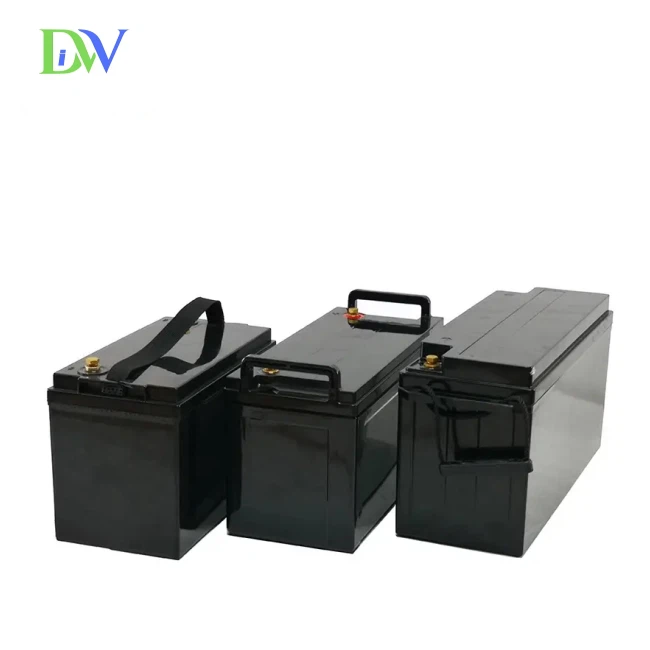
The heart of an elevator backup power system is its power source. Most commonly, batteries are used. These batteries are charged when the main power is available. They store electrical energy so that when the power goes out, they can supply electricity to the elevator.
For example, a Lithium Battery For Camper can be a great option for an elevator backup power system. Lithium batteries are known for their high energy density, long lifespan, and fast charging capabilities. They can store a large amount of energy in a relatively small space, which is ideal for elevator applications.
Transfer Switch
The transfer switch is another important part of the system. It monitors the main power supply constantly. When it detects a power outage, it quickly switches the elevator's power source from the main grid to the backup power supply. This switch happens very fast, usually within a fraction of a second, so that the elevator doesn't come to an abrupt stop.
Inverter
The inverter is responsible for converting the DC (direct current) power stored in the batteries into AC (alternating current) power, which is what the elevator's motor and other components need to operate. It ensures that the power supplied to the elevator is of the right type and voltage.
Control System
The control system manages the overall operation of the elevator backup power system. It communicates with the elevator's main control panel to ensure a smooth transition between the main power and the backup power. It also monitors the battery's charge level, temperature, and other parameters to ensure the system's reliability.
Special Considerations for Schools
When it comes to installing elevator backup power systems in schools, there are some special considerations.
Safety Standards
Schools need to comply with strict safety standards. The elevator backup power system must be installed and maintained according to local and national regulations. This includes proper grounding, fire - safety measures, and regular inspections.
Capacity
The capacity of the backup power system needs to be carefully calculated. Schools need to consider the number of elevators, their size, and the frequency of use. A system with insufficient capacity may not be able to keep the elevators running for a long enough time during a power outage.
Noise Level
Since schools are places of learning, the noise level of the backup power system is an important factor. Some generators or battery - charging systems can be quite noisy. It's essential to choose a system that operates quietly so as not to disrupt classes.
Microgrid Energy Storage System in Schools
A Microgrid Energy Storage System can be a great addition to a school's elevator backup power setup. Microgrids are small - scale power systems that can operate independently or in conjunction with the main grid.
In a school, a microgrid energy storage system can store excess energy generated from renewable sources like solar panels. This stored energy can then be used to power the elevators during a power outage. It not only provides backup power but also helps schools reduce their reliance on the main grid and lower their energy costs.

Telecom Battery Backup and Elevators
You might be wondering what Telecom Battery Backup has to do with elevators in schools. Well, in case of a power outage, the communication systems in elevators are also crucial. Telecom battery backup ensures that the emergency call buttons in elevators work properly. It allows passengers to call for help even when the main power is out.
Maintenance and Monitoring
To ensure the reliability of elevator backup power systems in schools, regular maintenance and monitoring are essential.
Battery Maintenance
Batteries need to be checked regularly for their charge level, electrolyte levels (if applicable), and signs of damage. They should be replaced when they reach the end of their lifespan to avoid unexpected failures.
System Testing
The entire elevator backup power system should be tested periodically. This includes simulating a power outage to make sure the transfer switch, inverter, and other components work as expected.
Remote Monitoring
Many modern elevator backup power systems can be monitored remotely. This allows the school's facilities management team or the supplier to keep an eye on the system's performance, receive alerts in case of any issues, and schedule maintenance in a timely manner.
Conclusion
In conclusion, elevator backup power systems are vital for schools. They ensure the safety and accessibility of students and staff, especially those with disabilities. By understanding how these systems work, considering the special requirements of schools, and implementing proper maintenance and monitoring, schools can have reliable elevator backup power.
If you're a school administrator, facilities manager, or anyone involved in the decision - making process for elevator backup power systems, I'd love to have a chat with you. We can discuss your specific needs, find the best solution for your school, and ensure that your elevators are always ready to operate, even during a power outage.
References
- Elevator Safety Codes and Standards, National Elevator Industry, Inc.
- Battery Technology Handbook, Battery Council International.
- Microgrid Design and Implementation Guide, Department of Energy.