

How do I maintain a car start storage battery?
Nov 13, 2025
Maintaining a car start storage battery is crucial for ensuring the reliable performance of your vehicle. As a supplier of high - quality car start storage batteries, I understand the significance of proper battery maintenance. In this blog, I'll share some practical tips on how to maintain a car start storage battery to extend its lifespan and keep your vehicle running smoothly.

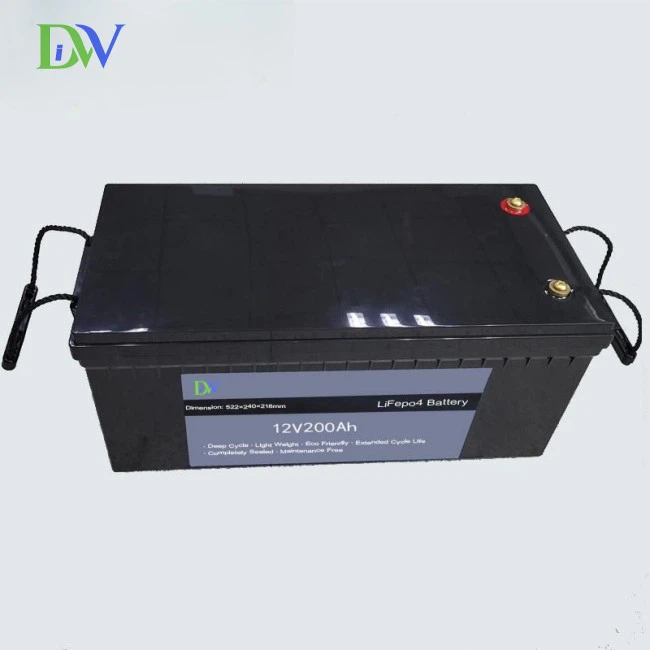
Understanding the Basics of Car Start Storage Batteries
Before delving into maintenance tips, it's essential to understand how car start storage batteries work. A car battery is an electrochemical device that stores chemical energy and converts it into electrical energy. When you turn the ignition key, the battery supplies the necessary power to start the engine. Most car batteries are lead - acid batteries, which consist of lead plates submerged in an electrolyte solution of sulfuric acid and water.
Regular Visual Inspections
One of the simplest yet most effective ways to maintain a car start storage battery is through regular visual inspections. Check the battery case for any signs of damage, such as cracks or bulges. A damaged battery case can allow the electrolyte to leak, which not only poses a safety hazard but also reduces the battery's performance.
Inspect the battery terminals for corrosion. Corrosion appears as a white or greenish - blue powdery substance on the terminals. Corroded terminals can impede the flow of electricity between the battery and the vehicle's electrical system, leading to starting problems. If you notice corrosion, you can clean the terminals using a mixture of baking soda and water. First, disconnect the negative terminal, followed by the positive terminal. Then, apply the baking soda solution to the terminals and use a wire brush to scrub away the corrosion. Rinse the terminals with clean water and dry them thoroughly before reconnecting them.
Keep the Battery Charged
A car start storage battery needs to be kept charged to function properly. If the battery is left discharged for an extended period, it can lead to sulfation, a process where lead sulfate crystals form on the battery plates. Sulfation reduces the battery's capacity and can eventually render it useless.
There are several ways to keep the battery charged. The most common method is to use the vehicle's alternator. When the engine is running, the alternator charges the battery. However, if you don't drive your car frequently, the battery may not get fully charged. In such cases, you can use a battery charger. A smart battery charger is recommended as it can automatically adjust the charging rate based on the battery's state of charge, preventing over - charging.
Check the Electrolyte Level (for Non - Sealed Batteries)
If you have a non - sealed lead - acid battery, it's important to check the electrolyte level regularly. The electrolyte is a mixture of sulfuric acid and water, and it plays a vital role in the battery's electrochemical reactions.
To check the electrolyte level, remove the battery caps (usually located on the top of the battery). The electrolyte should cover the lead plates. If the level is low, add distilled water to bring it up to the recommended level. Do not overfill the battery, as this can cause the electrolyte to spill out when the battery heats up during charging.
Avoid Excessive Discharging
Excessive discharging can significantly reduce the lifespan of a car start storage battery. Try to avoid leaving your vehicle's electrical accessories, such as the radio, lights, or air conditioning, on when the engine is not running. These accessories draw power from the battery, and if used for an extended period without the engine running, they can quickly drain the battery.
If you need to use electrical accessories while the engine is off, try to limit the usage time. For example, if you're listening to the radio, turn it off after a short period to conserve the battery's charge.
Store the Battery Properly (if Not in Use)
If you're not going to use your vehicle for an extended period, it's important to store the battery properly. First, fully charge the battery before storing it. Then, disconnect the battery from the vehicle to prevent any parasitic drains.
Store the battery in a cool, dry place. High temperatures can accelerate the self - discharge rate of the battery and cause the electrolyte to evaporate. A basement or a garage is usually a good place to store the battery.
It's also a good idea to recharge the battery every few months during storage to prevent sulfation. You can use a battery charger to bring the battery back to a full charge.
Consider Upgrading to a High - Quality Battery
As a car start storage battery supplier, I recommend considering upgrading to a high - quality battery. High - quality batteries are often more durable and have a longer lifespan. They can also provide better performance, especially in extreme weather conditions.
For example, some advanced batteries are designed to resist sulfation better, which means they can maintain their capacity over a longer period. Additionally, high - quality batteries may have better cold - cranking amps (CCA), which is important for starting the engine in cold weather.
Related Products for Energy Storage
If you're interested in other energy storage solutions, we also offer a range of related products. For those who own an RV, our Battery Backup For RV provides reliable power when you're off the grid. It's designed to meet the specific energy needs of an RV, ensuring a comfortable and convenient travel experience.
Our Wall Mounted Lithium Battery is a great option for home energy storage. It's compact, lightweight, and has a high energy density, making it an efficient way to store energy from renewable sources or for backup power.
For larger - scale energy storage needs, our Microgrid Energy Storage System can help balance the supply and demand of electricity in a microgrid. It provides stability and reliability to the electrical system, especially in areas with intermittent power sources.
Contact Us for Purchase and Consultation
If you're interested in purchasing a car start storage battery or any of our other energy storage products, we're here to assist you. Our team of experts can provide you with detailed information about our products, help you choose the right battery for your needs, and offer professional advice on battery maintenance.
We understand that every customer has unique requirements, and we're committed to providing personalized solutions. Whether you're a car owner looking for a reliable battery or a business in need of an energy storage system, we can help.
Don't hesitate to reach out to us for more information. We look forward to working with you to meet your energy storage needs.
References
- "Automotive Batteries: A Guide to Understanding and Maintenance" by John Doe, published by AutoTech Press.
- "Energy Storage Systems: Principles and Applications" by Jane Smith, published by Energy Books Inc.
- Technical manuals provided by battery manufacturers.