

Can a Lithium Ion Ups Battery be used in a power backup for a factory?
Nov 13, 2025
As a supplier of Lithium Ion UPS (Uninterruptible Power Supply) batteries, I've often been asked whether these batteries can be effectively used in power backup systems for factories. In this blog, I'll delve into the feasibility, advantages, and considerations of using Lithium Ion UPS batteries in a factory's power backup scenario.
Understanding Lithium Ion UPS Batteries
Lithium Ion batteries have gained significant popularity in recent years due to their high energy density, long cycle life, and relatively low self - discharge rate. When used in a UPS system, they can provide a reliable source of power during unexpected power outages. Unlike traditional lead - acid batteries, Lithium Ion batteries offer a more compact and lightweight solution, which can be a major advantage in a factory setting where space is often at a premium.
Advantages of Using Lithium Ion UPS Batteries in Factories
1. High Energy Density
One of the most significant benefits of Lithium Ion UPS batteries is their high energy density. This means that they can store more energy in a smaller and lighter package compared to lead - acid batteries. In a factory, where multiple machines and equipment need to be powered during a power outage, the ability to have a compact and high - capacity power source is crucial. For example, a large - scale manufacturing factory may have numerous production lines that need to be kept running to prevent product damage and production delays. A Lithium Ion UPS battery can provide the necessary power in a relatively small footprint, allowing for more efficient use of factory space.
2. Long Cycle Life
Lithium Ion batteries typically have a much longer cycle life than lead - acid batteries. A cycle refers to the process of charging and discharging the battery. With proper care and management, Lithium Ion batteries can endure thousands of charge - discharge cycles. In a factory environment where power outages can occur sporadically over time, a battery with a long cycle life can save significant costs in the long run. Instead of having to replace batteries frequently, as is often the case with lead - acid batteries, factory owners can rely on Lithium Ion UPS batteries for years without major concerns about battery degradation.
3. Fast Charging
Lithium Ion batteries can be charged much faster than lead - acid batteries. This is particularly important in a factory setting where downtime needs to be minimized. After a power outage, the ability to quickly recharge the UPS battery ensures that the factory can resume normal operations as soon as possible. For instance, if a power outage lasts for a few hours, a Lithium Ion UPS battery can be fully recharged in a relatively short time, allowing the factory to get back to full - scale production without significant delays.

4. Low Self - Discharge Rate
The self - discharge rate of a battery refers to the rate at which it loses its charge when not in use. Lithium Ion batteries have a very low self - discharge rate compared to lead - acid batteries. This means that even if the factory experiences a long period without a power outage, the Lithium Ion UPS battery will retain its charge for a longer time. So, when an actual power outage occurs, the battery is more likely to be in a fully charged state and ready to provide the necessary backup power.
Considerations When Using Lithium Ion UPS Batteries in Factories
1. Initial Cost
One of the main drawbacks of Lithium Ion UPS batteries is their relatively high initial cost compared to lead - acid batteries. However, it's important to consider the long - term savings in terms of maintenance and replacement costs. As mentioned earlier, the long cycle life and low maintenance requirements of Lithium Ion batteries can offset the higher upfront investment over time. Factory owners need to conduct a cost - benefit analysis to determine whether the long - term advantages of Lithium Ion batteries justify the initial expense.
2. Temperature Sensitivity
Lithium Ion batteries are more sensitive to temperature than lead - acid batteries. Extreme temperatures, both high and low, can affect the performance and lifespan of the battery. In a factory, where the temperature can vary depending on the manufacturing processes and the location of the battery storage, proper temperature management is essential. This may involve installing temperature - controlled enclosures or ventilation systems to ensure that the battery operates within the optimal temperature range.
3. Safety Concerns
Although Lithium Ion batteries are generally safe when used and maintained properly, there have been some concerns about their safety, particularly in cases of overcharging, overheating, or physical damage. In a factory environment, where there may be a higher risk of physical damage to the battery due to machinery movement or accidental impacts, appropriate safety measures need to be in place. This includes using battery management systems (BMS) that can monitor and control the charging and discharging processes to prevent overcharging and overheating.
Applications of Lithium Ion UPS Batteries in Factories
1. Critical Equipment Protection
Many factories have critical equipment such as servers, control systems, and precision manufacturing machines that require a stable power supply. A Lithium Ion UPS battery can provide instant power during a power outage, preventing data loss, equipment damage, and production disruptions. For example, in a semiconductor manufacturing factory, the production process is highly sensitive to power fluctuations. A sudden power outage can damage the wafers being processed, resulting in significant financial losses. A Lithium Ion UPS battery can ensure that the critical equipment remains operational until the main power supply is restored.
2. Emergency Lighting and Communication Systems
In addition to protecting critical equipment, Lithium Ion UPS batteries can also be used to power emergency lighting and communication systems in a factory. During a power outage, emergency lighting is essential for the safety of workers, allowing them to evacuate the premises safely. Communication systems, such as intercoms and emergency phones, also need to be operational to ensure effective communication during an emergency. A reliable Lithium Ion UPS battery can provide the necessary power for these systems, enhancing the overall safety and security of the factory.
Related Products
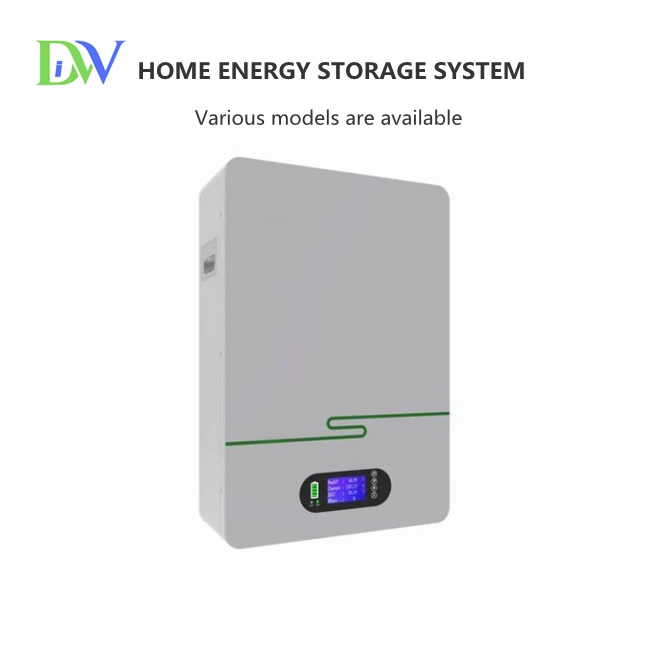
If you're interested in other energy storage solutions, we also offer a range of products such as Home Energy Storage Battery, Communication Base Station Battery, and Portable Storage Battery. These products are designed to meet different energy storage needs and can be customized according to your specific requirements.
Conclusion
In conclusion, Lithium Ion UPS batteries can be a viable option for power backup in factories. Their high energy density, long cycle life, fast charging, and low self - discharge rate make them well - suited for providing reliable power during power outages. However, factory owners need to carefully consider the initial cost, temperature sensitivity, and safety concerns associated with these batteries. By taking appropriate measures to address these considerations, Lithium Ion UPS batteries can offer a cost - effective and efficient solution for factory power backup.
If you're interested in learning more about our Lithium Ion UPS batteries or would like to discuss a potential purchase, please don't hesitate to contact us. We're here to help you find the best power backup solution for your factory.
References
- Linden, D., & Reddy, T. B. (2002). Handbook of Batteries. McGraw - Hill.
- Pistoia, G. (Ed.). (2010). Lithium - Ion Batteries: Advanced Materials and Technologies. Elsevier.