

How do I install a home emergency battery in a tiny house?
Dec 12, 2025
Hey there, fellow tiny house enthusiasts! I'm [Your Name], and I run a home emergency battery supply business. I get tons of questions from people about installing home emergency batteries in their tiny houses. It's a hot topic, and today, I'm gonna walk you through the whole process step by step.
First off, let's talk about why you'd even want a home emergency battery in a tiny house. Well, tiny houses are awesome, but they're often off - grid or in areas where power outages can be a real pain. A home emergency battery can keep your lights on, charge your devices, and even run some essential appliances when the main power goes down. It's like having a little power backup buddy right in your cozy tiny home.
Choosing the Right Battery
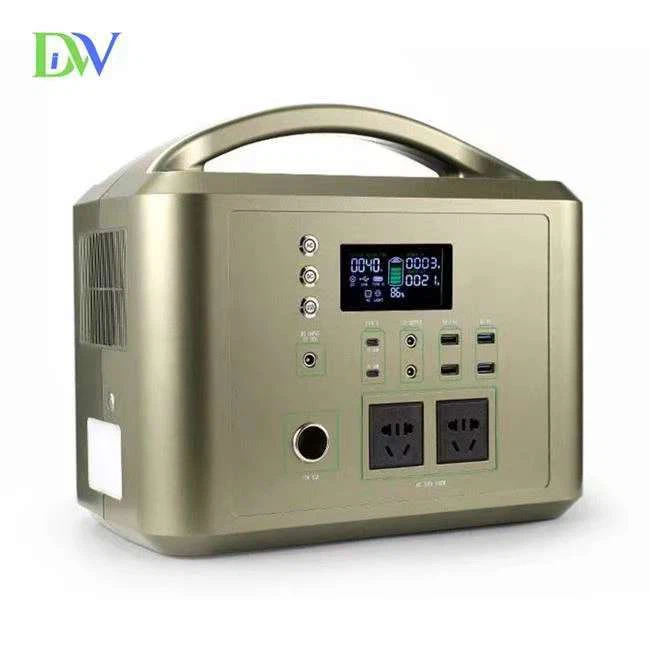
The first step in installing a home emergency battery is picking the right one for your needs. There are several types of batteries out there, but a few stand out for tiny houses. One great option is the Lithium Ferro Phosphate Battery. These batteries are known for their long lifespan, high energy density, and safety. They can handle a lot of charge and discharge cycles, which is super important for an emergency power source.
Another option is the Portable Car Power Bank. It's a bit more versatile and can be used not only in your tiny house but also in your car if needed. These power banks are usually smaller and easier to move around, which is handy if you ever need to take your power source with you.
If you have a server rack or some other equipment that needs a reliable power supply in your tiny house, the Server Rack LiFePO4 Battery might be the way to go. It's designed to provide stable power to sensitive electronics and can be a great addition to your tiny home setup.
When choosing a battery, you need to consider a few things. First, think about how much power you'll need. Make a list of the appliances and devices you want to run during an outage. This could include things like a small fridge, a few lights, and your phone charger. Then, look at the battery's capacity, which is usually measured in amp - hours (Ah) or watt - hours (Wh). The higher the capacity, the longer the battery will be able to power your stuff.
You also need to think about the battery's voltage. Most tiny house systems run on 12V or 24V, so make sure the battery you choose is compatible with your existing electrical system.
Preparing for Installation
Once you've chosen the right battery, it's time to get ready for installation. Safety is always the number one priority, so make sure you have all the necessary safety gear. This includes gloves, safety glasses, and a fire extinguisher. Batteries can be dangerous if not handled properly, so don't skip this step.
Next, you'll need to find a good location for the battery in your tiny house. It should be a well - ventilated area away from heat sources and direct sunlight. You also want to make sure it's easily accessible for maintenance and inspection. A storage cabinet or a dedicated battery box can be a great place to keep your battery.
Before you start installing the battery, turn off all the power in your tiny house. This will prevent any electrical shocks or short circuits. You can do this by switching off the main breaker in your electrical panel.
Installing the Battery
Now, let's get into the actual installation process. First, you'll need to connect the battery cables. Most batteries come with positive (+) and negative (-) terminals. The positive terminal is usually marked with a red cover or a plus sign, and the negative terminal is marked with a black cover or a minus sign.
Start by connecting the positive cable to the positive terminal of the battery. Make sure the connection is tight and secure. Then, connect the negative cable to the negative terminal. Again, ensure a good connection.
Once the battery is connected, you'll need to connect it to your electrical system. This might involve using a charge controller if you're using solar panels to charge the battery. The charge controller helps regulate the charging process and prevents overcharging.
If you're not using solar panels, you can connect the battery to an inverter. An inverter converts the DC (direct current) power from the battery into AC (alternating current) power, which is what most of your appliances and devices use.
Connect the inverter to the battery using the appropriate cables. Make sure all the connections are tight and there are no loose wires.
Testing the Battery
After you've installed the battery and connected it to your electrical system, it's time to test it. First, turn on the main breaker in your electrical panel to restore power to your tiny house. Then, turn on a few lights or appliances to see if they're working.
If everything is working properly, you should see the lights come on and the appliances start running. If you notice any problems, such as dim lights or appliances not working, there might be an issue with the battery connection or the inverter. Double - check all the connections and make sure everything is properly installed.
Maintaining the Battery
Once the battery is installed and working, you'll need to maintain it to keep it in good condition. This includes regularly checking the battery voltage and charge level. You can use a multimeter to measure the voltage. A fully charged battery should have a voltage of around 12.6V for a 12V battery.
You also need to keep the battery clean and free of dirt and debris. Wipe it down with a dry cloth regularly. If you notice any signs of corrosion on the battery terminals, you can clean them with a mixture of baking soda and water.
Finally, make sure to follow the manufacturer's instructions for charging and discharging the battery. Overcharging or over - discharging the battery can reduce its lifespan.

Conclusion
Installing a home emergency battery in a tiny house might seem like a daunting task, but it's actually quite doable with the right knowledge and tools. By choosing the right battery, preparing properly, and following the installation steps, you can have a reliable power backup system in your tiny home.
If you're interested in purchasing a home emergency battery for your tiny house, I'd love to talk to you. We have a wide range of high - quality batteries to suit your needs. Whether you're looking for a Lithium Ferro Phosphate Battery, a Portable Car Power Bank, or a Server Rack LiFePO4 Battery, we've got you covered.
Feel free to reach out to us if you have any questions or need help with the installation process. We're here to make sure you get the most out of your home emergency battery.
References
- "Battery Basics: A Guide to Understanding and Choosing the Right Battery" - Battery Council International
- "Solar Power for Your Tiny House" - Tiny House Magazine
- Manufacturer's manuals for the batteries and electrical components used in the installation.