

Can elevator backup power be used in data centers?
Dec 25, 2025
As a supplier of elevator backup power, I've often encountered an interesting question from clients and industry peers: Can elevator backup power be used in data centers? This query is not only thought - provoking but also has significant implications for both the elevator and data center industries. In this blog, I'll delve into the technical aspects, pros and cons, and practical considerations of using elevator backup power in data centers.
Technical Overview of Elevator Backup Power
Elevator backup power systems are designed to provide emergency power to elevators during a main power outage. These systems typically consist of a battery bank, a charger, and an inverter. The battery bank stores electrical energy, which is then converted into usable AC power by the inverter when needed. The charger keeps the batteries charged during normal operation.
The power requirements of elevators vary depending on their size, capacity, and speed. A typical elevator backup power system can range from a few kilowatts to tens of kilowatts. These systems are engineered to provide enough power to move the elevator car to the nearest floor and open the doors safely, ensuring the safety of passengers.
Technical Requirements of Data Centers
Data centers, on the other hand, have extremely high - tech and strict power requirements. They house a large number of servers, storage devices, networking equipment, and cooling systems. The power supply to a data center must be continuous and stable to prevent data loss, system crashes, and damage to equipment.
Data centers usually rely on uninterruptible power supply (UPS) systems, which are designed to provide immediate power during a power outage. These UPS systems are often connected to large - scale battery banks or generator sets. The power capacity of a data center UPS can range from hundreds of kilowatts to megawatts, depending on the size and scale of the data center.
Can Elevator Backup Power Be Used in Data Centers?
Advantages
- Cost - effectiveness: Elevator backup power systems are generally less expensive than data center - grade UPS systems. If a small - scale data center or a branch office data center has relatively low power requirements, using elevator backup power can potentially reduce the initial investment cost. For example, a small data center with a power demand of a few kilowatts may find that an elevator backup power system can meet its basic emergency power needs at a lower cost.
- Availability: As an elevator backup power supplier, we have a wide range of products in stock. This means that if a data center has an urgent need for backup power, they may be able to obtain an elevator backup power system more quickly than waiting for a custom - made data center UPS.
Disadvantages
- Power Capacity: The power capacity of elevator backup power systems is usually much lower than that required by data centers. Most data centers need to support a large number of servers and equipment, and the power demand can be several orders of magnitude higher than that of an elevator. For instance, a medium - sized data center may require a backup power capacity of hundreds of kilowatts, while a typical elevator backup power system may only provide a few kilowatts to tens of kilowatts.
- Power Quality: Data centers require high - quality power with low voltage fluctuations, low harmonic distortion, and high - frequency stability. Elevator backup power systems are mainly designed to meet the simple power needs of elevators, and they may not be able to provide the same level of power quality as data center - grade UPS systems. Poor power quality can cause malfunctions in servers and other equipment, leading to data loss and system failures.
- Runtime: Data centers often need backup power to last for a relatively long time, especially in areas with unreliable power grids. Elevator backup power systems are typically designed to provide power for a short period, just enough to move the elevator car to a safe position. They may not be able to support the continuous operation of data center equipment for an extended period.
Practical Considerations
- Compatibility: Before considering using elevator backup power in a data center, it is essential to ensure compatibility with the existing data center infrastructure. This includes checking the voltage, frequency, and connection interfaces of the elevator backup power system. Incompatible systems can lead to electrical problems and safety hazards.
- Regulatory and Standards Compliance: Data centers are subject to strict regulatory and industry standards regarding power supply. Using elevator backup power may require compliance with additional regulations and standards to ensure the safety and reliability of the data center. For example, some data centers may need to meet specific fire safety and electrical code requirements when using backup power systems.
Conclusion
In conclusion, while elevator backup power systems have some potential advantages in terms of cost - effectiveness and availability, they are generally not suitable for large - scale and high - demand data centers due to their limited power capacity, power quality, and runtime. However, for small - scale data centers or specific applications with relatively low power requirements, elevator backup power can be a viable option after careful consideration of compatibility and compliance issues.

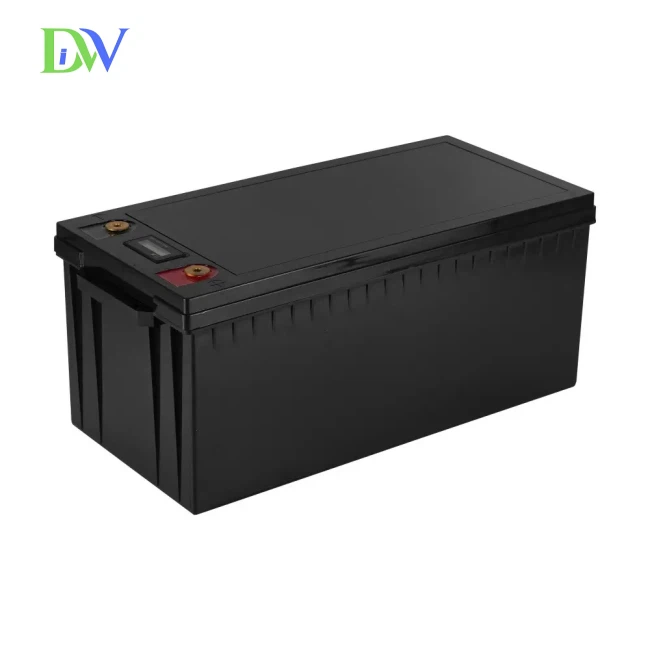
If you are interested in exploring the possibility of using elevator backup power in your data center or have any questions about our elevator backup power products, please feel free to contact us for further discussion. We are committed to providing you with the most suitable backup power solutions.
For more information about our related products, you can visit the following links:
Store Backup Power Supply
Truck Starter Battery
Solar PV Energy Storage System
References
- "Data Center Power Systems Handbook", McGraw - Hill Professional
- "Elevator Technology and Safety Standards", National Elevator Industry, Inc.