

What is the self - heating rate of an ups reserve battery pack?
Jun 05, 2025
As a supplier of UPS reserve battery packs, understanding the self - heating rate of these battery packs is of utmost importance. In this blog, we'll delve deep into what the self - heating rate is, why it matters, and how it impacts the performance and safety of UPS reserve battery packs.
What is the Self - heating Rate?
The self - heating rate of a UPS reserve battery pack refers to the rate at which the battery generates heat internally under normal operating conditions or during certain abnormal situations. It is a critical parameter that reflects the battery's internal electrochemical reactions and energy losses. When a battery is in use, chemical reactions occur to convert chemical energy into electrical energy. However, not all of this energy conversion is efficient. Some of the energy is dissipated as heat, which leads to the self - heating of the battery.

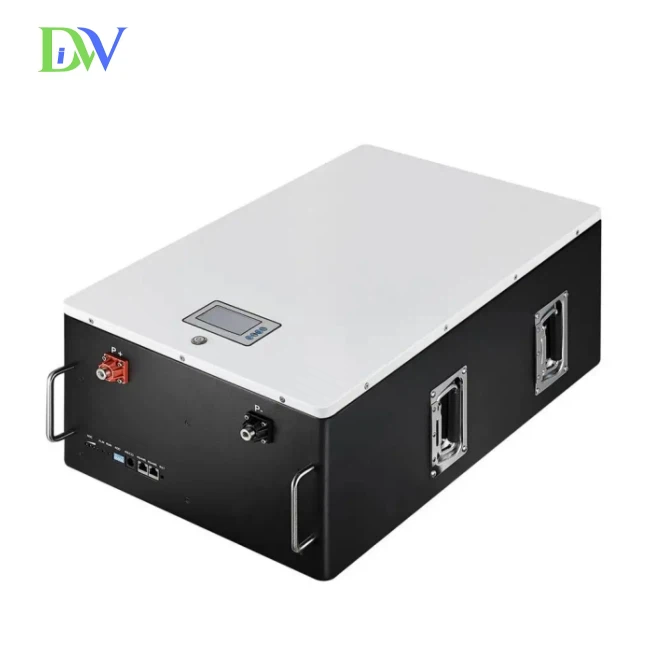
The self - heating rate is typically measured in degrees Celsius per unit of time (e.g., °C/h). This rate can vary significantly depending on various factors, including the battery's chemistry, state of charge (SOC), temperature, and the load it is under. For example, a battery operating at a high state of charge or under a heavy load is likely to have a higher self - heating rate compared to one at a lower state of charge or under a light load.
Factors Affecting the Self - heating Rate
Battery Chemistry
Different battery chemistries have different self - heating characteristics. For instance, lead - acid batteries, which have been widely used in UPS systems for a long time, have a relatively stable self - heating rate under normal conditions. However, they can generate more heat during charging, especially when over - charged. On the other hand, lithium - ion batteries, such as the Lithium Ferro Phosphate Battery, generally have a lower self - heating rate compared to lead - acid batteries. Lithium - ion batteries are known for their high energy density and relatively low internal resistance, which results in less energy being wasted as heat during normal operation.
State of Charge (SOC)
The state of charge of a battery has a significant impact on its self - heating rate. When a battery is close to full charge, the electrochemical reactions inside become more complex, and the risk of over - charging increases. Over - charging can cause the battery to heat up rapidly as the excess energy is dissipated as heat. Conversely, a battery at a low state of charge may also experience an increase in self - heating rate if it is being discharged too quickly, as the internal resistance may increase under high - current discharge conditions.
Temperature
Temperature is another crucial factor. Batteries are sensitive to temperature changes. In general, the self - heating rate of a battery increases with rising ambient temperature. High temperatures can accelerate the electrochemical reactions inside the battery, leading to more heat generation. At the same time, high - temperature environments can also reduce the battery's efficiency and lifespan. Conversely, extremely low temperatures can increase the internal resistance of the battery, which may also cause an increase in self - heating when the battery is being charged or discharged.
Load
The load on the UPS reserve battery pack affects the self - heating rate as well. A heavy load means that the battery has to supply a large amount of current, which can cause more energy losses due to the internal resistance of the battery. As a result, the self - heating rate will increase. For example, if a UPS system is powering a large number of high - power devices simultaneously, the battery pack will experience a higher self - heating rate compared to when it is powering only a few low - power devices.
Importance of the Self - heating Rate
Performance
The self - heating rate directly impacts the performance of the UPS reserve battery pack. Excessive self - heating can lead to a decrease in the battery's capacity and efficiency. High temperatures can cause the electrolyte in the battery to evaporate or decompose, which can damage the battery's internal structure. This, in turn, can result in a reduced ability to store and deliver electrical energy, leading to shorter backup times for the UPS system.
Safety
Safety is a major concern when it comes to the self - heating rate of battery packs. If the self - heating rate is too high and the heat is not dissipated effectively, it can lead to thermal runaway. Thermal runaway is a dangerous situation where the battery's temperature rises uncontrollably, which can cause the battery to overheat, catch fire, or even explode. This is particularly a concern for lithium - ion batteries, which are more prone to thermal runaway compared to lead - acid batteries. Therefore, understanding and controlling the self - heating rate is crucial for ensuring the safety of the UPS system and the surrounding environment.
Measuring and Controlling the Self - heating Rate
Measuring
To measure the self - heating rate, temperature sensors are usually installed inside the battery pack. These sensors can continuously monitor the temperature of the battery and provide real - time data. By analyzing the temperature changes over time, the self - heating rate can be calculated. Some advanced UPS systems also have built - in monitoring systems that can analyze the battery's performance and self - heating rate based on multiple parameters, such as current, voltage, and temperature.
Controlling
There are several ways to control the self - heating rate. One of the most common methods is thermal management. This can include using cooling systems, such as fans or heat sinks, to dissipate the heat generated by the battery. For example, in large - scale UPS systems, liquid - cooling systems may be used to ensure efficient heat dissipation. Another way is to optimize the charging and discharging processes. By using smart charging algorithms, the battery can be charged at an appropriate rate, which can reduce the risk of over - charging and excessive self - heating.
Our Solutions as a Supplier
As a supplier of UPS reserve battery packs, we understand the importance of the self - heating rate. We offer a wide range of battery packs, including Parking Battery and Smart Home Lithium Battery, which are designed with advanced thermal management systems. Our lithium - ion battery packs, especially the Lithium Ferro Phosphate Battery, are known for their low self - heating rate and high safety performance.
We also provide customized solutions based on our customers' specific requirements. Our technical team can help customers select the most suitable battery pack for their UPS systems and provide guidance on installation, operation, and maintenance. We are committed to ensuring that our customers' UPS systems operate safely and efficiently by minimizing the self - heating rate of our battery packs.
Conclusion
The self - heating rate of a UPS reserve battery pack is a critical parameter that affects both the performance and safety of the battery pack and the entire UPS system. Understanding the factors that influence the self - heating rate and taking appropriate measures to control it are essential for ensuring the reliable operation of UPS systems. As a professional supplier, we are dedicated to providing high - quality battery packs with low self - heating rates and comprehensive technical support. If you are interested in our products or have any questions about UPS reserve battery packs, please feel free to contact us for procurement and further discussions.
References
- Linden, D., & Reddy, T. B. (2002). Handbook of Batteries. McGraw - Hill.
- Tarascon, J. M., & Armand, M. (2001). Issues and challenges facing rechargeable lithium batteries. Nature, 414(6861), 359 - 367.
- Vetter, J., Novák, P., Wagner, M. R., Veit, C., Möller, K. C., & Besenhard, J. O. (2005). Ageing mechanisms in lithium - ion batteries. Journal of Power Sources, 147(1 - 2), 269 - 281.