

What is the RC rating of a car starter battery?
Aug 11, 2025
As a seasoned supplier of car starter batteries, I often encounter customers who are curious about the RC rating of these essential automotive components. In this blog post, I'll delve into what the RC rating means, why it's important, and how it can impact your choice of a car starter battery.
What is the RC Rating?
The RC rating, or Reserve Capacity rating, is a crucial specification for car starter batteries. It measures the amount of time, in minutes, that a fully charged battery can deliver a constant current of 25 amps at 80°F (26.7°C) until the battery voltage drops to 10.5 volts. In simpler terms, it indicates how long a battery can power the essential electrical systems of a vehicle if the alternator fails.
For example, if a battery has an RC rating of 100 minutes, it can supply 25 amps of power for 100 minutes under the specified conditions before its voltage drops below the usable level. This is particularly important in situations where the alternator malfunctions, leaving the battery as the sole source of power for the vehicle's lights, radio, and other electrical components.
Why is the RC Rating Important?
The RC rating is a vital consideration for several reasons. Firstly, it provides an indication of a battery's ability to handle electrical demands in case of an alternator failure. A higher RC rating means that the battery can power the vehicle's electrical systems for a longer period, giving you more time to reach a safe location or get the vehicle repaired.
Secondly, the RC rating can also affect the battery's performance in cold weather. Cold temperatures can reduce a battery's capacity, making it more difficult to start the engine. A battery with a higher RC rating is generally better equipped to handle the increased electrical demands of starting a cold engine and powering the vehicle's electrical systems until the engine warms up.
Finally, the RC rating can be a useful tool for comparing different batteries. When shopping for a car starter battery, you can use the RC rating to evaluate the performance and reliability of different models. A battery with a higher RC rating is typically more expensive, but it may also offer better performance and a longer lifespan.
Factors Affecting the RC Rating
Several factors can affect the RC rating of a car starter battery. One of the most significant factors is the battery's size and capacity. Generally, larger batteries with higher ampere-hour (Ah) ratings tend to have higher RC ratings. This is because they have more electrolyte and active material, which allows them to store and deliver more energy.
Another factor that can affect the RC rating is the battery's design and construction. Batteries with thicker plates and more advanced electrode materials tend to have higher RC ratings. These batteries are also more resistant to sulfation, a common cause of battery failure that can reduce the battery's capacity and performance over time.
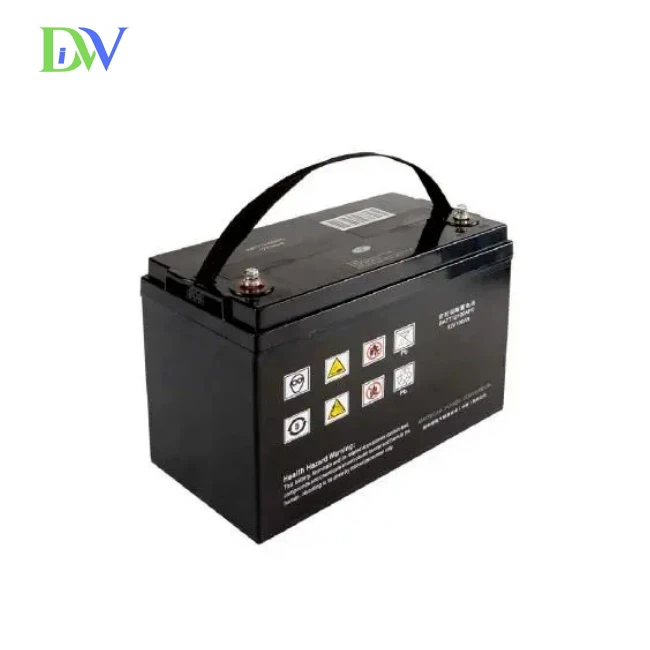

The temperature at which the battery is tested can also affect the RC rating. As mentioned earlier, cold temperatures can reduce a battery's capacity, which can lower its RC rating. To account for this, some battery manufacturers provide RC ratings at different temperatures, allowing you to choose a battery that is suitable for your climate.
How to Choose the Right RC Rating for Your Vehicle
When choosing a car starter battery, it's important to consider the specific electrical demands of your vehicle. If you have a vehicle with a lot of electrical accessories, such as a high-powered stereo system or a GPS navigation system, you may need a battery with a higher RC rating to ensure that it can handle the increased electrical load.
On the other hand, if you have a vehicle with a relatively simple electrical system, a battery with a lower RC rating may be sufficient. It's also important to consider the climate in which you live. If you live in a cold climate, you may want to choose a battery with a higher RC rating to ensure that it can start your engine in cold weather.
To determine the right RC rating for your vehicle, you can consult your vehicle's owner's manual or speak to a professional mechanic. They can provide you with specific recommendations based on your vehicle's make, model, and electrical system.
Our Range of Car Starter Batteries
As a leading supplier of car starter batteries, we offer a wide range of batteries with different RC ratings to meet the needs of our customers. Our batteries are designed and manufactured to the highest standards of quality and performance, ensuring that they provide reliable starting power and long-lasting performance.
In addition to our car starter batteries, we also offer a range of other energy storage solutions, including High Power UPS Lithium Battery, Telecom Battery Backup, and Emergency Backup Power. These products are designed to provide reliable power backup in a variety of applications, including homes, businesses, and industrial facilities.
Contact Us for Your Battery Needs
If you're in the market for a new car starter battery or any other energy storage solution, we'd love to hear from you. Our team of experts is available to answer your questions and provide you with personalized recommendations based on your specific needs.
Whether you're looking for a battery with a high RC rating for your vehicle or a reliable power backup solution for your home or business, we have the products and expertise to meet your needs. Contact us today to learn more about our products and services and to get started on finding the right battery for your needs.
References
- Battery Council International (BCI). (2023). Battery Testing Standards.
- SAE International. (2023). J537 - Battery, Automotive, 12 - Volt, Cranking Performance.
- US Department of Energy. (2023). Advanced Vehicle Testing Activity.