

What is the power consumption of a home emergency battery?
Nov 11, 2025
As a supplier of home emergency batteries, I often get asked about the power consumption of these essential devices. It's a crucial question, especially for those looking to keep their homes running during unexpected outages. Let's dive into the nitty - gritty of home emergency battery power consumption.
Understanding the Basics
First off, to figure out the power consumption of a home emergency battery, we need to know a couple of key terms: wattage and amp - hours. Wattage measures how much power an appliance uses at any given moment. For example, a small LED light bulb might use around 10 watts, while a larger refrigerator could gobble up 150 - 200 watts when running.
Amp - hours, on the other hand, tell us how much charge a battery can hold. A battery with a high amp - hour rating can supply power for a longer time.
The power consumption of a home emergency battery isn't a one - size - fits - all number. It depends on what you're powering and for how long. If you're just using it to run a few lights and charge your phone, the consumption will be way lower than if you're trying to keep your whole house's electrical systems up and running.
Factors Affecting Power Consumption
- Connected Devices: The types of devices you connect to your home emergency battery make a huge difference. Devices with high power requirements, like air conditioners, heaters, or electric stoves, will drain the battery much faster compared to low - power devices. For instance, a laptop typically uses between 20 - 100 watts, while an electric space heater can use up to 1500 watts! So, if you're planning to use your home emergency battery for extended periods, it's wise to stick to low - power essentials.
- Usage Time: How long you use the devices also impacts power consumption. If you leave a device on for hours, the battery will discharge more quickly. Say you have a 100 - watt TV. If you watch it for 5 hours, it will consume 500 watt - hours of energy from the battery.
- Battery Efficiency: Not all of the energy stored in a battery can be used effectively. Some energy is lost as heat during the charging and discharging process. The efficiency of a battery can vary, but most modern home emergency batteries have an efficiency rate of around 80 - 90%. So, if you have a 1000 - watt - hour battery with 80% efficiency, you can only really use about 800 watt - hours of that energy.
Calculating Power Consumption
Let's say you want to calculate how long your home emergency battery will last. First, list all the devices you want to power and their wattages. Then, estimate how long you'll use each device. Multiply the wattage of each device by the usage time to get the watt - hours of energy it will consume. Add up these values for all the devices to get the total watt - hours of energy you need.
For example, if you have a 60 - watt light bulb that you'll use for 3 hours (60 x 3 = 180 watt - hours), a 50 - watt fan for 2 hours (50 x 2 = 100 watt - hours), and a 10 - watt phone charger for 4 hours (10 x 4 = 40 watt - hours), the total energy consumption is 180+100 + 40 = 320 watt - hours.
Once you know the total energy consumption, divide it by the available capacity of your battery (taking into account its efficiency). If you have a 500 - watt - hour battery with 80% efficiency (so 400 usable watt - hours), the battery will last approximately 400 / 320 = 1.25 hours with these devices connected.
Types of Home Emergency Batteries and Their Power Consumption
- Wall Mounted Lithium Battery: Lithium batteries are becoming increasingly popular for home emergency use. They are lightweight, have a long lifespan, and offer high energy density. A Wall Mounted Lithium Battery typically has a high efficiency rate, which means less energy is wasted during charging and discharging. They can power a variety of devices, from small electronics to essential home appliances. However, if you're using them to power high - power devices, the power consumption will be relatively high, and the battery may not last as long.
- Solar Backup Batteries: Solar Backup Batteries are charged by solar panels. The power consumption of these batteries depends on how much sunlight they receive and how efficiently they store the energy. On sunny days, they can charge up fully and provide a good amount of power. But on cloudy days, their charging rate will be lower, and you may need to be more conservative with your power usage. These batteries are great for powering low - power devices like lights and small fans over an extended period.
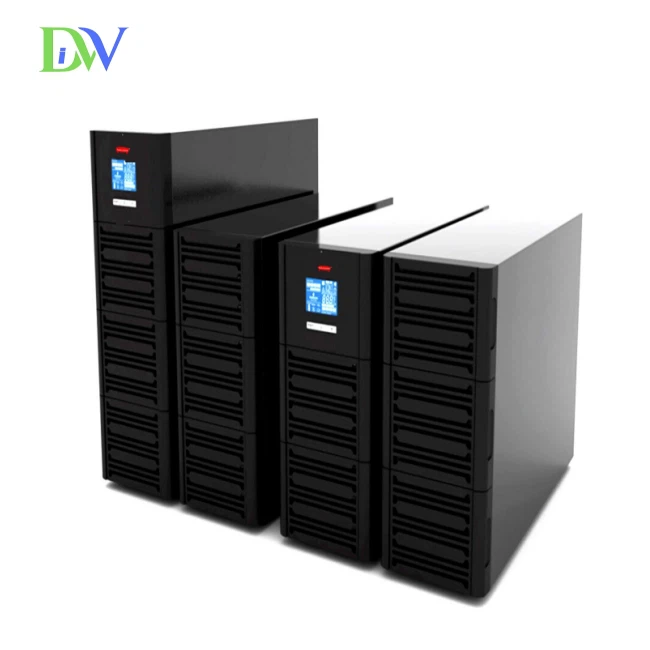
- UPS Energy Storage Battery: UPS Energy Storage Battery systems are designed to provide short - term power backup, usually just long enough to safely shut down your electronic devices during a power outage. They are often used with computers and servers. The power consumption of a UPS battery is relatively low when used for its intended purpose, as it's mainly powering devices with low to moderate power requirements for a short time.
Tips to Manage Power Consumption
- Prioritize Devices: Make a list of essential devices and prioritize them based on your needs. In an emergency, focus on powering devices that are necessary for safety and communication, like lights, a radio, and your phone.
- Use Energy - Saving Modes: Many devices have energy - saving modes that can reduce their power consumption. For example, you can set your laptop to power - saving mode, which will dim the screen and reduce the processing power.
- Charge the Battery Properly: Follow the manufacturer's instructions for charging your home emergency battery. Overcharging or undercharging can reduce the battery's lifespan and efficiency, which in turn can affect its power consumption.
Conclusion
The power consumption of a home emergency battery is a complex topic that depends on many factors. As a supplier, I understand the importance of helping our customers make informed decisions. By understanding the basics of power consumption, the factors that affect it, and how to calculate it, you can choose the right home emergency battery for your needs and manage its power usage effectively.

If you're interested in learning more about our home emergency batteries or have questions about power consumption, feel free to reach out. We're here to assist you in finding the best solution for your home's emergency power needs. Let's start a conversation and see how we can help you keep your home powered during those unexpected outages.
References
- "Battery Basics: Understanding Amp - Hours and Watt - Hours", Energy Storage Association.
- "Energy Efficiency in Home Appliances", Department of Energy.