

What is the charging algorithm of an ups reserve battery pack?
Nov 10, 2025
As a supplier of UPS reserve battery packs, I've encountered numerous inquiries from customers regarding the charging algorithm of our battery packs. Understanding the charging algorithm is crucial as it directly impacts the performance, lifespan, and safety of the battery. In this blog, I'll delve into the details of the charging algorithm of UPS reserve battery packs, providing you with a comprehensive understanding of how it works.
Basics of UPS Reserve Battery Packs
Before we dive into the charging algorithm, let's briefly understand what UPS reserve battery packs are. A UPS (Uninterruptible Power Supply) is a device that provides emergency power to a load when the input power source fails. The reserve battery pack is an essential component of the UPS, storing electrical energy that can be quickly discharged to power the connected equipment during a power outage.
There are various types of batteries used in UPS reserve battery packs, including lead - acid batteries and lithium - ion batteries. Lithium - ion batteries, such as the Lithium Ferro Phosphate Battery, have gained popularity in recent years due to their high energy density, longer lifespan, and lower self - discharge rate compared to traditional lead - acid batteries.
Charging Stages of a UPS Reserve Battery Pack
The charging process of a UPS reserve battery pack typically consists of several stages, each with its own purpose and characteristics.
1. Bulk Charging Stage
The bulk charging stage is the initial phase of the charging process. During this stage, the charger supplies a constant current to the battery pack. The goal of the bulk charging stage is to quickly replenish the majority of the battery's capacity. The charger will continue to supply the constant current until the battery voltage reaches a predefined level, known as the absorption voltage.
For example, in a lithium - ion battery pack, the charger might supply a current of several amperes during the bulk charging stage. This high - current charging allows the battery to charge rapidly, but it also generates heat. Therefore, proper thermal management is essential to prevent overheating and ensure the safety of the battery.
2. Absorption Charging Stage
Once the battery voltage reaches the absorption voltage, the charger switches to the absorption charging stage. In this stage, the charger maintains a constant voltage while gradually reducing the charging current. The purpose of the absorption charging stage is to fully charge the battery and equalize the charge among the individual cells in the battery pack.
As the battery charges, the internal resistance of the battery increases, causing the charging current to decrease. The absorption charging stage continues until the charging current drops below a certain threshold, indicating that the battery is fully charged.
3. Float Charging Stage
After the battery is fully charged, the charger enters the float charging stage. In this stage, the charger supplies a low, constant voltage to the battery to maintain its charge level and compensate for self - discharge. The float voltage is carefully selected to prevent overcharging and ensure the long - term stability of the battery.
During the float charging stage, the battery is in a standby mode, ready to be discharged in case of a power outage. The float charging stage can last for an extended period, and it plays a crucial role in maintaining the health and performance of the battery over time.
Charging Algorithm Considerations
The charging algorithm of a UPS reserve battery pack needs to take into account several factors to ensure optimal charging performance and battery safety.
1. Battery Chemistry
Different battery chemistries have different charging requirements. For example, lead - acid batteries and lithium - ion batteries have different voltage and current limits, as well as different charging profiles. The charging algorithm must be tailored to the specific battery chemistry to ensure proper charging and prevent damage to the battery.
Lithium - ion batteries, such as the Generator Car Lithium Battery, require a more precise charging algorithm compared to lead - acid batteries. Overcharging or over - discharging a lithium - ion battery can lead to thermal runaway, a dangerous condition that can cause the battery to catch fire or explode.
2. Temperature
Temperature has a significant impact on the charging process of a battery. High temperatures can accelerate the chemical reactions inside the battery, leading to faster charging but also increasing the risk of overheating and battery degradation. Low temperatures, on the other hand, can reduce the battery's capacity and increase its internal resistance, making it more difficult to charge.
The charging algorithm should include temperature compensation to adjust the charging current and voltage based on the battery's temperature. For example, if the battery temperature is too high, the charger may reduce the charging current to prevent overheating.
3. State of Charge (SOC)
The state of charge (SOC) of the battery indicates the amount of charge remaining in the battery relative to its full capacity. The charging algorithm needs to accurately estimate the SOC of the battery to determine the appropriate charging stage and parameters.

There are several methods for estimating the SOC of a battery, including voltage - based methods, current - integration methods, and impedance - based methods. Each method has its own advantages and limitations, and the charging algorithm may use a combination of these methods to obtain a more accurate SOC estimate.
Advanced Charging Algorithms
In addition to the basic charging stages, some UPS reserve battery packs use advanced charging algorithms to further optimize the charging process and improve battery performance.
1. Adaptive Charging
Adaptive charging algorithms adjust the charging parameters based on the battery's actual condition and usage history. For example, if the battery has been frequently discharged to a low level, the adaptive charging algorithm may increase the charging time or adjust the charging current to ensure a more complete charge.
Adaptive charging can also take into account factors such as the ambient temperature, the age of the battery, and the number of charge - discharge cycles. By adapting to the battery's specific needs, the adaptive charging algorithm can extend the battery's lifespan and improve its overall performance.
2. Equalization Charging
Equalization charging is a technique used to balance the charge among the individual cells in a battery pack. Over time, the cells in a battery pack may become unbalanced due to differences in their internal resistance, self - discharge rate, or manufacturing variations.
Equalization charging involves applying a higher voltage to the battery pack for a short period to charge the under - charged cells more fully. This helps to ensure that all the cells in the battery pack have the same state of charge, which is essential for the long - term performance and safety of the battery.
Importance of a Well - Designed Charging Algorithm
A well - designed charging algorithm is essential for the proper operation and longevity of a UPS reserve battery pack. Here are some of the key benefits:
1. Extended Battery Lifespan
By following the appropriate charging stages and parameters, the charging algorithm can prevent overcharging, over - discharging, and overheating, which are the main causes of battery degradation. This helps to extend the lifespan of the battery and reduce the frequency of battery replacements.
2. Improved Battery Performance
A well - designed charging algorithm ensures that the battery is fully charged and that the charge is evenly distributed among the cells in the battery pack. This results in improved battery performance, including higher capacity, better voltage stability, and faster response times during a power outage.
3. Enhanced Safety
The charging algorithm includes safety features such as over - current protection, over - voltage protection, and temperature monitoring to prevent dangerous conditions such as thermal runaway and short - circuits. This enhances the safety of the battery pack and the connected equipment.
Conclusion and Call to Action
In conclusion, the charging algorithm of a UPS reserve battery pack is a complex process that involves multiple stages and considerations. Understanding the charging algorithm is crucial for ensuring the optimal performance, lifespan, and safety of the battery.
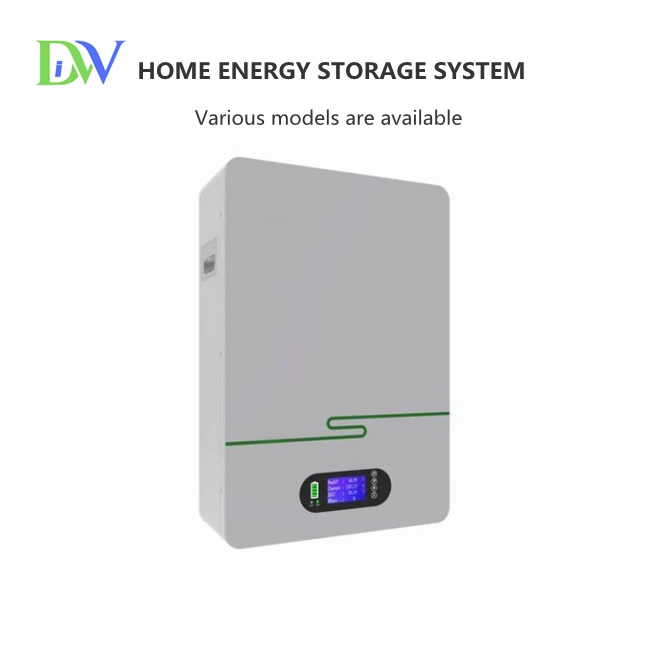
As a supplier of UPS reserve battery packs, we are committed to providing high - quality battery products with advanced charging algorithms. Our Home Energy Storage Battery and other battery solutions are designed to meet the diverse needs of our customers.
If you are interested in our UPS reserve battery packs or have any questions about the charging algorithm, please feel free to contact us for more information. We look forward to discussing your requirements and providing you with the best battery solutions for your applications.
References
- Battery Management Systems: Design by Principles, by Isidor Buchmann
- Lithium - Ion Batteries: Science and Technologies, edited by Yoshio Nishi, Akiya Kozawa, and Masaki Yoshio