

What is the memory effect of a camping lithium battery?
Aug 07, 2025
As a supplier of camping lithium batteries, I often encounter questions from customers about various aspects of these batteries. One of the frequently asked questions is about the memory effect of camping lithium batteries. In this blog, I'll delve into what the memory effect is, whether camping lithium batteries are affected by it, and how it relates to the performance and lifespan of these essential power sources for outdoor enthusiasts.
Understanding the Memory Effect
The memory effect is a phenomenon that was commonly associated with older battery chemistries, such as nickel-cadmium (NiCd) batteries. In simple terms, the memory effect occurs when a battery "remembers" the point at which it was repeatedly recharged and loses capacity as a result. For example, if a NiCd battery is regularly recharged after being discharged only halfway, it will gradually start to "forget" that it can actually hold a full charge. Over time, this leads to a reduction in the battery's overall capacity, meaning it can't power devices for as long as it used to.
The root cause of the memory effect in NiCd batteries lies in the formation of crystalline structures within the battery cells. When a battery is only partially discharged and then recharged, these crystals can build up and impede the normal flow of ions between the electrodes. As a result, the battery's efficiency decreases, and its usable capacity is diminished.
Memory Effect in Camping Lithium Batteries
The good news for camping lithium battery users is that modern lithium-ion (Li-ion) and lithium iron phosphate (LiFePO4) batteries, which are commonly used in camping applications, are not prone to the memory effect. Unlike NiCd batteries, the chemical composition and structure of lithium batteries do not allow for the formation of the same type of crystalline structures that cause the memory effect.
Lithium batteries operate on a different principle. They use lithium ions to transfer charge between the positive and negative electrodes during charging and discharging. The design of these batteries allows for a more stable and efficient chemical reaction, which means they can be charged and discharged without the risk of developing a "memory." This is a significant advantage for camping lithium batteries, as it gives users the flexibility to charge their batteries at any time, regardless of the current state of charge.
Benefits of No Memory Effect in Camping
The absence of the memory effect in camping lithium batteries brings several benefits to campers and outdoor adventurers. Firstly, it simplifies the charging process. You don't have to worry about fully discharging your battery before recharging it. This is especially useful when you're on the go and may not have the opportunity to completely drain the battery before finding a power source. You can simply plug in your battery whenever it's convenient, and it will charge up to its full capacity without any negative impact on its performance.
Secondly, it extends the lifespan of the battery. Since there's no risk of the memory effect reducing the battery's capacity over time, you can expect your camping lithium battery to maintain its performance for a longer period. This means you won't have to replace your battery as frequently, saving you money in the long run.
Finally, it provides more reliable power. With a consistent and full capacity, camping lithium batteries can power your devices, such as flashlights, portable chargers, and even small appliances, for longer durations. This is crucial when you're in the wilderness and depend on your battery to keep your essential equipment running.
Other Factors Affecting Camping Lithium Battery Performance
While camping lithium batteries are not affected by the memory effect, there are other factors that can impact their performance and lifespan. Temperature is one of the most significant factors. Extreme temperatures, both hot and cold, can affect the chemical reactions inside the battery and reduce its efficiency. High temperatures can cause the battery to degrade more quickly, while low temperatures can temporarily reduce the battery's capacity.
To mitigate the effects of temperature, it's important to store and use your camping lithium battery within the recommended temperature range. Most manufacturers specify an optimal temperature range for their batteries, typically between 20°C and 25°C (68°F and 77°F). If you're camping in extreme conditions, you may need to take extra precautions, such as insulating the battery or using a battery heater in cold weather.
Another factor is the number of charge-discharge cycles. Every time a battery is charged and discharged, it undergoes a certain amount of wear and tear. Over time, the number of cycles can accumulate and cause the battery's capacity to gradually decline. However, modern lithium batteries are designed to withstand a large number of charge-discharge cycles, typically several hundred to a few thousand, depending on the quality of the battery.
Our Camping Lithium Battery Offerings
At our company, we offer a wide range of high-quality camping lithium batteries to meet the diverse needs of campers and outdoor enthusiasts. Our Powerwall Lithium Battery is a great option for those who need a large-capacity battery to power multiple devices or even small off-grid systems. It features a high energy density, long lifespan, and reliable performance, making it ideal for extended camping trips.
For RV owners, our Battery Backup For RV provides a convenient and efficient way to store energy and ensure a continuous power supply while on the road. These batteries are designed to be lightweight and compact, yet they offer a high level of power output to meet the demands of modern RV appliances and electronics.
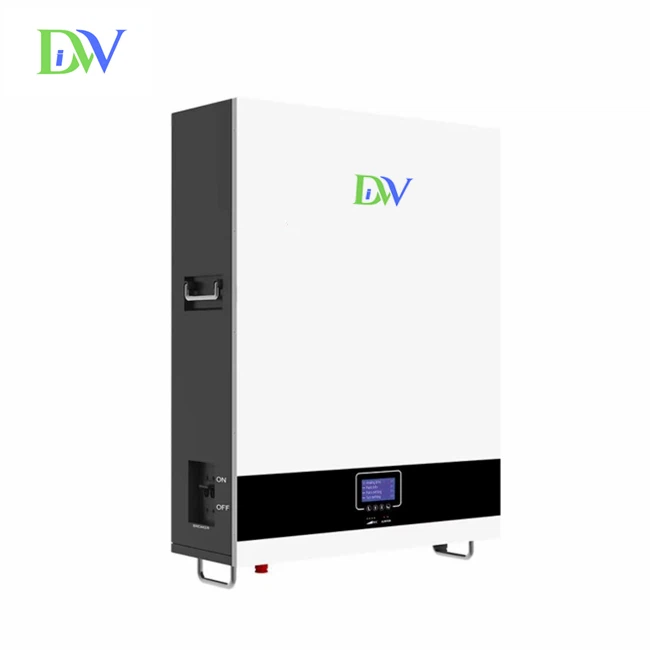

If you're looking for a high-power solution for your camping or emergency power needs, our High Power UPS Lithium Battery is the perfect choice. It can deliver a large amount of power quickly, making it suitable for powering high-demand devices such as power tools and inverters.
Contact Us for Purchase and Consultation
We understand that choosing the right camping lithium battery can be a daunting task. That's why our team of experts is here to help. Whether you have questions about battery specifications, compatibility, or installation, we're happy to provide you with the information and guidance you need.
If you're interested in purchasing our camping lithium batteries, please don't hesitate to contact us. We offer competitive prices, excellent customer service, and fast shipping. We're committed to providing our customers with the best possible products and solutions for their outdoor power needs.
References
- Linden, D., & Reddy, T. B. (2002). Handbook of Batteries. McGraw-Hill.
- Dunn, B., Kamath, H., & Tarascon, J.-M. (2011). Electrical Energy Storage for the Grid: A Battery of Choices. Science, 334(6058), 928-935.
- Chen, Z., & Liu, X. (2012). Lithium Batteries: Status, Prospects and Future. Energy & Environmental Science, 5(7), 7854-7863.