

What are the power requirements for elevator backup power systems?
Sep 16, 2025
What are the power requirements for elevator backup power systems?
As a supplier of elevator backup power systems, I've witnessed firsthand the critical role these systems play in maintaining safety and functionality during power outages. Elevators are essential components of modern buildings, and ensuring their reliable operation even when the main power supply fails is non - negotiable. In this blog, I'm going to delve into the power requirements for elevator backup power systems, exploring the factors that influence them and the solutions we offer.
1. Understanding the Basics of Elevator Power Consumption
Elevators are complex pieces of machinery that consume a significant amount of power. The power consumption of an elevator depends on several factors, such as its size, capacity, speed, and the type of drive system it uses. For instance, a high - rise elevator with a large capacity and high speed will generally consume more power than a small, low - speed elevator in a residential building.
The power requirements can be divided into two main categories: continuous power and peak power. Continuous power is the amount of power the elevator consumes during normal operation, including the power needed to run the motor, control systems, lighting, and ventilation. Peak power, on the other hand, is the maximum amount of power the elevator requires during short - term operations, such as starting, stopping, or accelerating.
2. Factors Affecting the Power Requirements of Elevator Backup Power Systems
Building Characteristics
The height and number of floors of a building have a direct impact on the power requirements of the elevator backup power system. Taller buildings usually require more powerful elevators to transport passengers efficiently. For example, in a skyscraper, the elevator may need to travel long distances at high speeds, which demands a substantial amount of power. Additionally, the number of elevators in a building also matters. A large commercial building with multiple elevators will need a more robust backup power system to ensure that all elevators can operate during a power outage.
Elevator Usage Patterns
The frequency of elevator use is another crucial factor. Buildings with high traffic, such as hospitals, shopping malls, and office complexes, will experience more frequent elevator trips. This means that the backup power system needs to be able to handle multiple starts and stops, which require peak power. In contrast, a residential building with lower elevator usage may have less demanding power requirements.
Safety and Comfort Features
Modern elevators are equipped with various safety and comfort features, such as emergency lighting, ventilation systems, and communication devices. These features need to be powered during a power outage to ensure the safety and well - being of passengers. The power required to run these additional features should be factored into the overall power requirements of the backup power system.

3. Calculating the Power Requirements
To accurately determine the power requirements for an elevator backup power system, a detailed analysis is necessary. First, the continuous power consumption of the elevator needs to be measured. This can be done by monitoring the power usage of the elevator during normal operation over a period of time. Next, the peak power requirements should be estimated based on the elevator's specifications, such as its motor power, acceleration rate, and load capacity.
Once the continuous and peak power requirements are known, the backup power system should be sized accordingly. It's important to note that the backup power system should be able to provide power for a sufficient duration to ensure that the elevator can safely reach the nearest floor and open its doors during a power outage. The duration of backup power is typically determined by local building codes and safety regulations.
4. Our Solutions for Elevator Backup Power Systems
Solar - Powered Backup Solutions
We offer innovative solar - powered backup solutions for elevators. Solar energy is a clean and renewable source of power that can significantly reduce the reliance on the grid. Our Solar Panel Energy Storage Battery and Solar PV Energy Storage System are designed to store solar energy during the day and use it to power the elevator during a power outage. These systems not only provide reliable backup power but also help building owners save on energy costs in the long run.
Lithium Ferro Phosphate Batteries
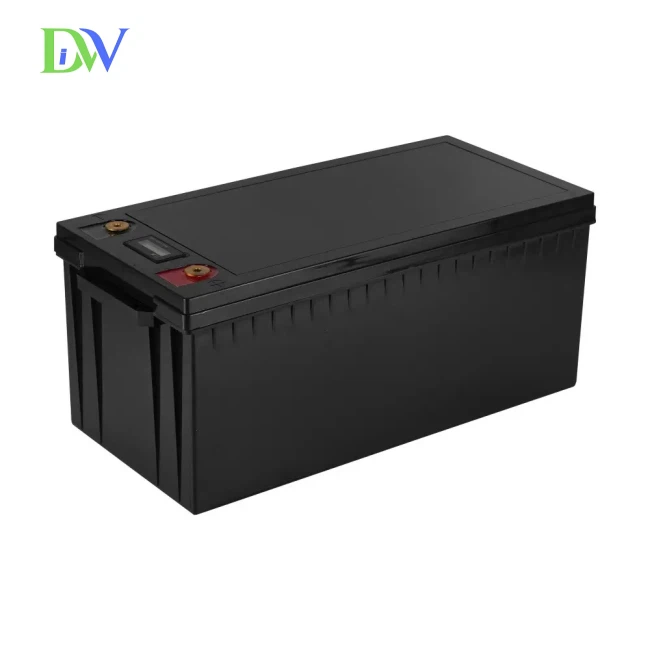
Another key component of our backup power systems is the Lithium Ferro Phosphate Battery. These batteries offer several advantages over traditional lead - acid batteries, including higher energy density, longer lifespan, and better performance in extreme temperatures. They are also safer and more environmentally friendly, making them an ideal choice for elevator backup power applications.
5. Importance of a Reliable Backup Power System
A reliable elevator backup power system is essential for several reasons. Firstly, it ensures the safety of passengers. In the event of a power outage, an elevator with a proper backup power system can safely reach the nearest floor and open its doors, preventing passengers from being trapped inside. Secondly, it helps to maintain the functionality of the building. In commercial buildings, elevators are crucial for the smooth operation of businesses. A power outage that disrupts elevator service can lead to significant losses in productivity and revenue.
6. Contact Us for Elevator Backup Power Solutions
If you're in need of a reliable elevator backup power system, we're here to help. Our team of experts can assess your specific power requirements, recommend the most suitable solutions, and provide professional installation and maintenance services. Whether you're a building owner, manager, or contractor, we can work with you to ensure that your elevators are always operational, even during power outages.
References
- ASME A17.1 - Safety Code for Elevators and Escalators.
- NFPA 101 - Life Safety Code.
- IEEE Standards for Power Systems and Equipment.