

What are the power battery regulations in different regions?
Nov 04, 2025
As a power battery supplier, I've witnessed firsthand the dynamic nature of the power battery industry. One of the most critical aspects that significantly influence our business operations is the diverse set of regulations across different regions. These regulations not only ensure safety and environmental protection but also shape the market landscape for power batteries. In this blog, I'll delve into the power battery regulations in various regions and how they impact our business as a supplier.
North America
In North America, the United States and Canada have their own regulatory frameworks for power batteries. In the United States, the Environmental Protection Agency (EPA) plays a crucial role in regulating battery disposal and recycling. Batteries are classified as hazardous waste if they contain certain heavy metals such as lead, mercury, and cadmium. The Resource Conservation and Recovery Act (RCRA) sets guidelines for the proper management of these batteries from production to disposal.
For lithium-ion batteries, which are widely used in electric vehicles and portable electronics, the Occupational Safety and Health Administration (OSHA) has regulations regarding workplace safety. These regulations cover aspects such as handling, storage, and transportation of lithium-ion batteries to prevent fire and explosion hazards. Additionally, the Federal Aviation Administration (FAA) has strict rules for the transportation of lithium batteries by air to ensure aviation safety.
In Canada, the Canadian Environmental Protection Act (CEPA) regulates the environmental aspects of battery production, use, and disposal. The government also encourages the recycling of batteries through various programs. Similar to the United States, Canada has safety regulations for lithium-ion batteries, especially in the context of transportation and consumer use.
These regulations in North America have a significant impact on our business as a power battery supplier. We need to ensure that our batteries meet all the safety and environmental standards set by the regulatory authorities. This involves conducting rigorous testing and quality control measures to comply with the regulations. For example, when shipping our Electric Motorcycle Lithium Battery to North American customers, we must follow the strict transportation regulations to avoid any legal issues.
Europe
Europe has some of the most comprehensive and stringent power battery regulations in the world. The European Union's Battery Directive (2006/66/EC) sets out rules for the collection, recycling, and disposal of batteries. It aims to reduce the environmental impact of batteries by promoting the recycling of valuable materials and minimizing the release of hazardous substances into the environment.
In addition to the Battery Directive, the EU has regulations related to the safety of batteries, especially lithium-ion batteries. The Safety of Toys Directive and the Low Voltage Directive also apply to batteries used in certain products. For electric vehicles, the EU has specific regulations regarding the performance and safety of power batteries. These regulations are constantly evolving to keep up with the technological advancements in the battery industry.
The European Green Deal, announced in 2019, further emphasizes the importance of sustainable battery production and use. It aims to create a circular economy for batteries, where batteries are recycled and reused to reduce the reliance on raw materials. This has led to the development of new regulations and standards for battery production, including requirements for the traceability of raw materials.
As a power battery supplier, we need to comply with all these regulations when exporting our products to Europe. This means investing in research and development to improve the environmental performance of our batteries and ensuring that our supply chain is transparent and sustainable. Our Lifepo4 Power Battery needs to meet the high safety and environmental standards set by the EU to be sold in the European market.
Asia
Asia is a major hub for power battery production and consumption, with countries like China, Japan, and South Korea leading the way. In China, the government has been actively promoting the development of the new energy vehicle industry, which has led to the implementation of strict regulations for power batteries. The Ministry of Industry and Information Technology (MIIT) has issued a series of standards for battery safety, performance, and recycling.
China also has regulations regarding the environmental impact of battery production. For example, the "Technical Policy for Prevention and Control of Pollution from Lithium - Ion Battery Industry" aims to reduce the pollution caused by battery production and promote the recycling of lithium-ion batteries.
In Japan, the government has regulations for battery safety and recycling. The Ministry of Economy, Trade and Industry (METI) promotes the development of the battery industry through various policies and regulations. Japan also has a strong focus on the development of advanced battery technologies, such as solid - state batteries.

South Korea, another major player in the battery industry, has regulations similar to those in Japan and China. The government encourages the development of high - performance and safe batteries for electric vehicles and other applications. The Korea Institute of Industrial Technology (KITECH) plays an important role in setting standards and promoting research and development in the battery field.
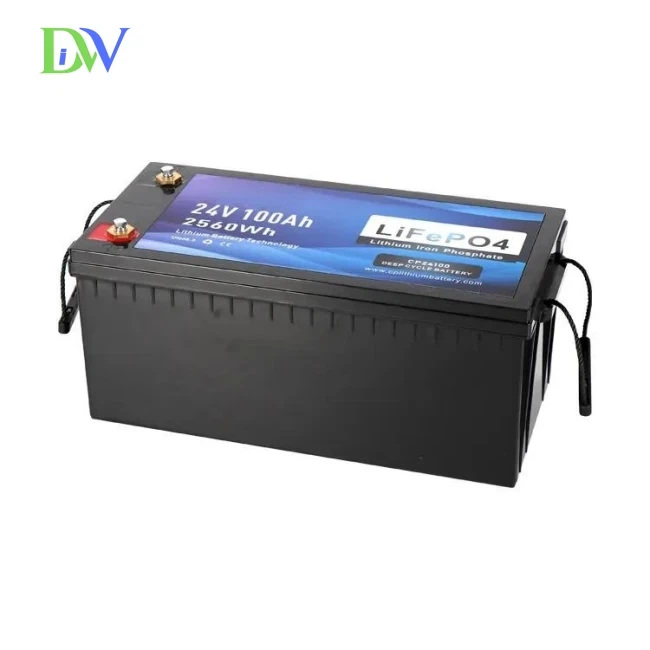
As a power battery supplier, we need to adapt to the different regulatory environments in Asia. In China, for example, we need to ensure that our 24V Lithium Battery Pack meets the specific standards set by the MIIT. This may involve collaborating with local research institutions and manufacturers to improve our products and comply with the regulations.
Other Regions
In other regions such as South America and Africa, the regulatory frameworks for power batteries are still in the process of development. However, there is a growing awareness of the importance of battery safety and environmental protection. Some countries in South America are starting to introduce regulations similar to those in North America and Europe, especially in the context of the growing electric vehicle market.
In Africa, there is a need for regulations to manage the increasing number of batteries being imported and used. The focus is on ensuring the safety of batteries and promoting their proper disposal and recycling. As the demand for power batteries in these regions continues to grow, we expect the regulatory environment to become more mature and comprehensive.
Impact on Our Business and Future Outlook
The diverse set of power battery regulations across different regions presents both challenges and opportunities for our business as a power battery supplier. On one hand, we need to invest significant resources in research and development, testing, and compliance to meet the various regulatory requirements. This can increase our production costs and complexity.
On the other hand, these regulations also drive innovation in the battery industry. They encourage us to develop more sustainable, safe, and high - performance batteries. By complying with the regulations, we can enhance our brand reputation and gain a competitive edge in the global market.
Looking ahead, we expect the regulatory environment for power batteries to become even more complex and stringent. As the demand for electric vehicles and renewable energy storage continues to grow, regulatory authorities will likely introduce more regulations to ensure the safety, environmental performance, and sustainability of batteries.
We are committed to staying ahead of these regulatory changes. We will continue to invest in research and development to develop batteries that meet the highest safety and environmental standards. We also plan to strengthen our partnerships with regulatory authorities, research institutions, and other stakeholders to ensure that we are well - informed about the latest regulatory developments.
If you are interested in our power battery products and would like to discuss potential procurement opportunities, we welcome you to reach out to us. We are eager to work with you to meet your power battery needs while ensuring full compliance with all relevant regulations.
References
- U.S. Environmental Protection Agency (EPA). Regulations on battery disposal and recycling.
- Canadian Environmental Protection Act (CEPA).
- European Union Battery Directive (2006/66/EC).
- Ministry of Industry and Information Technology (MIIT) of China. Standards for power batteries.
- Ministry of Economy, Trade and Industry (METI) of Japan. Regulations for battery safety and development.
- Korea Institute of Industrial Technology (KITECH). Standards for power batteries in South Korea.