

How to monitor the operation of an energy storage battery system?
Dec 04, 2025
As a supplier of Energy Storage Batteries, ensuring the efficient and reliable operation of energy storage battery systems is of utmost importance. In this blog post, I will share some key aspects and methods on how to monitor the operation of an energy storage battery system.
1. Understanding the Importance of Monitoring
Monitoring an energy storage battery system is crucial for several reasons. Firstly, it helps to ensure the safety of the system. Batteries can pose risks such as overheating, over - charging, and over - discharging, which can lead to thermal runaway, fire, or even explosion. By continuously monitoring the system, we can detect and address these potential safety hazards in a timely manner.
Secondly, monitoring enables us to optimize the performance of the battery system. We can track parameters like state of charge (SOC), state of health (SOH), and temperature to make sure the battery is operating within its optimal range. This not only extends the battery life but also improves the overall efficiency of the energy storage system.
Finally, monitoring provides valuable data for system management and maintenance. By analyzing the monitored data, we can predict potential failures, plan for maintenance, and make informed decisions about the operation and expansion of the energy storage system.
2. Key Parameters to Monitor
State of Charge (SOC)
The SOC indicates the amount of energy currently stored in the battery relative to its maximum capacity. It is one of the most important parameters to monitor as it directly reflects the available energy in the battery. There are several methods to measure SOC, including the coulomb counting method, which measures the charge flowing in and out of the battery, and the open - circuit voltage method, which estimates SOC based on the battery's open - circuit voltage.
State of Health (SOH)
SOH represents the overall condition of the battery compared to its original state. It takes into account factors such as capacity degradation, internal resistance increase, and cycle life. Monitoring SOH helps us to determine when the battery needs to be replaced or refurbished. Techniques for SOH estimation include impedance spectroscopy, which measures the battery's internal impedance, and electrochemical impedance spectroscopy (EIS), which provides more detailed information about the battery's electrochemical processes.
Temperature
Temperature has a significant impact on battery performance and safety. High temperatures can accelerate battery aging, reduce capacity, and increase the risk of thermal runaway. On the other hand, low temperatures can decrease the battery's power output. Therefore, it is essential to monitor the temperature of the battery cells and the overall battery pack. Temperature sensors are usually installed at key locations within the battery system to provide real - time temperature data.
Voltage
Monitoring the voltage of individual battery cells and the entire battery pack is crucial. Over - voltage can cause over - charging, which may damage the battery, while under - voltage can lead to over - discharging. By comparing the measured voltage with the normal operating range, we can detect potential problems such as cell imbalance or a failing battery cell.
Current
Measuring the current flowing in and out of the battery is necessary to understand the power flow and energy consumption of the system. It also helps in calculating the SOC using the coulomb counting method. Current sensors are used to accurately measure the current, and the data can be used to analyze the system's charging and discharging patterns.
3. Monitoring Technologies
Sensor - based Monitoring
Sensors are the most basic and widely used monitoring technology. Temperature sensors, voltage sensors, current sensors, and pressure sensors can be installed at various locations in the battery system to collect real - time data on the key parameters mentioned above. These sensors are usually connected to a data acquisition system, which then transmits the data to a monitoring center for further analysis.
Communication Protocols
To ensure seamless data transmission between the sensors, the battery management system (BMS), and the monitoring center, communication protocols are required. Common communication protocols used in energy storage battery systems include Modbus, CAN bus, and Ethernet. These protocols allow different components of the system to communicate with each other and exchange data in a standardized format.
Remote Monitoring Systems
Remote monitoring systems enable us to monitor the energy storage battery system from a central location, regardless of the physical location of the system. Through the use of internet - based technologies, data collected by the sensors can be transmitted to a cloud - based server. Operators can then access the data through a web - based interface or a mobile application, allowing them to monitor the system in real - time, receive alerts, and perform remote diagnostics.
4. Using Monitoring Data for System Management
Fault Detection and Diagnosis
By analyzing the monitored data, we can detect faults in the battery system. For example, if the voltage of a particular battery cell deviates significantly from the average voltage of the pack, it may indicate a cell imbalance or a failing cell. Once a fault is detected, the monitoring system can issue an alert to the operator, who can then take appropriate actions such as isolating the faulty cell or performing maintenance.
Performance Optimization
The monitored data can also be used to optimize the performance of the energy storage battery system. For instance, based on the SOC and SOH data, we can adjust the charging and discharging strategies to ensure that the battery operates within its optimal range. We can also use the temperature data to control the cooling or heating system of the battery pack to maintain the optimal temperature.
Predictive Maintenance
With the help of machine learning and data analytics techniques, we can analyze historical monitoring data to predict potential failures in the battery system. By identifying patterns and trends in the data, we can estimate the remaining useful life of the battery and plan for maintenance in advance. This helps to reduce downtime and maintenance costs.
5. Our Company's Approach as an Energy Storage Battery Supplier
At our company, we are committed to providing high - quality energy storage battery systems with advanced monitoring capabilities. Our battery products, such as the Lithium Ferro Phosphate Battery and Communication Base Station Battery, are equipped with state - of - the - art sensors and a sophisticated battery management system.
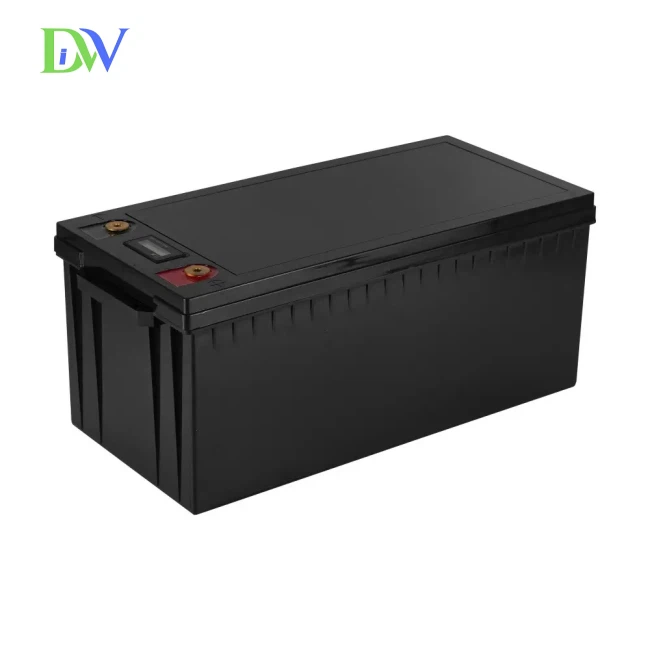

The BMS in our battery systems continuously monitors key parameters such as SOC, SOH, temperature, voltage, and current. It uses advanced algorithms to analyze the data and ensure the safe and efficient operation of the battery. In addition, we offer a remote monitoring service that allows our customers to access real - time data about their battery systems from anywhere in the world.
We also provide comprehensive technical support and maintenance services. Our team of experts can analyze the monitoring data, diagnose faults, and provide solutions to optimize the performance of the battery system. Whether you are using our Lithium Ferro Phosphate Battery for a small - scale residential application or a large - scale industrial project, we are here to ensure that your energy storage system operates at its best.
6. Conclusion and Call to Action
Monitoring the operation of an energy storage battery system is a complex but essential task. By monitoring key parameters, using advanced monitoring technologies, and leveraging the monitored data for system management, we can ensure the safety, performance, and longevity of the battery system.
As an experienced Energy Storage Battery supplier, we have the expertise and resources to provide you with high - quality battery products and comprehensive monitoring solutions. If you are interested in our energy storage battery systems or would like to learn more about our monitoring services, please feel free to contact us for a detailed discussion. We look forward to working with you to meet your energy storage needs.
References
- "Battery Management Systems for Electric Vehicles" by P. Pantic and J. Stumberger.
- "Energy Storage Systems for Electric Grids" by M. R. Iravani, J. Ma, and M. Ehsani.
- "Battery Technology Handbook" edited by T. R. Crompton.