

How to know if a portable power pack is fully charged?
Jan 12, 2026
As a provider of portable power packs, understanding whether a portable power pack is fully charged is crucial for both users and us as suppliers. In this blog, I'll share several scientific and practical ways to determine if a portable power pack has reached its full - charge state.
1. Using the Built - in Indicator Lights
Most portable power packs are equipped with built - in indicator lights that serve as a direct way to assess the charging status. These lights are usually designed to change colors or brightness levels corresponding to different stages of charge.
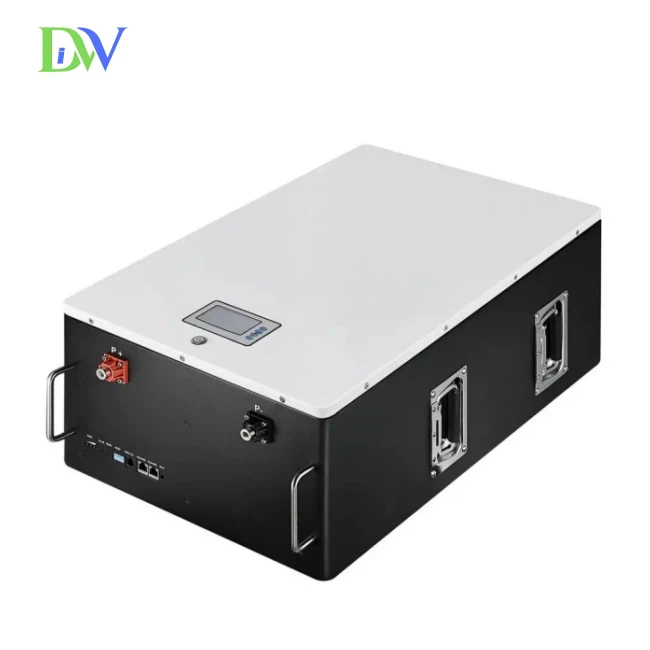
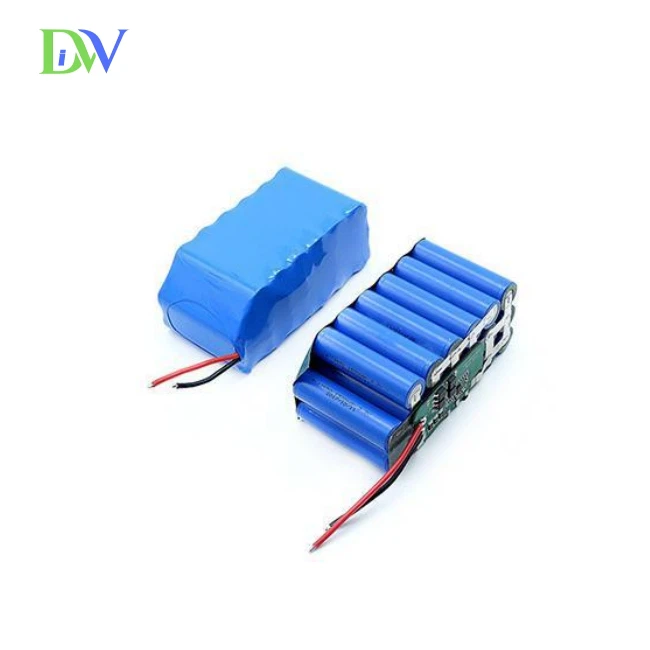
For example, many portable power packs feature a series of LED lights. When charging starts, one or two lights may be illuminated, indicating that the power pack is at a low charge level. As the charging progresses, more lights will light up. Once all the lights are on and remain stable, it is a strong indication that the power pack is fully charged.
However, it's important to note that the reliability of these indicator lights can vary. Some lower - quality power packs may have inaccurate indicator lights. For instance, the lights might show a full charge even when the power pack is not actually fully charged. This could be due to issues with the sensor that controls the indicator lights or problems with the battery management system.
As a supplier, we always ensure that the power packs we provide have accurate and reliable indicator lights. We conduct strict quality control tests during the production process to verify the performance of the indicator light system. We integrate advanced battery management chips that can accurately monitor the battery's state of charge and correctly display it through the indicator lights.
2. Monitoring the Charging Time
Another way to know if a portable power pack is fully charged is by monitoring the charging time. Every portable power pack has a specified charging time, which is usually provided in the product manual.
This charging time is determined based on the battery capacity and the charging current. For example, a power pack with a large battery capacity will generally take longer to charge compared to one with a smaller capacity. If the charging current is high, the charging time will be shorter, assuming the battery can handle the high - current charging without damage.
Let's say we have a portable power pack with a 10000mAh battery capacity and a charging current of 2A. We can calculate the theoretical charging time using the formula: Charging Time (h)= Battery Capacity (mAh)/Charging Current (mA). In this case, the theoretical charging time is 10000mAh / 2000mA = 5 hours.
In reality, due to energy losses during the charging process, the actual charging time will be slightly longer than the theoretical calculation. As a supplier, we always provide conservative estimates of the charging time in our product manuals to ensure that customers have enough time to fully charge their power packs.
However, it's not always accurate to rely solely on charging time. External factors such as the temperature of the charging environment can affect the charging speed. In cold temperatures, the battery's chemical reactions slow down, and the charging time will increase. On the other hand, very high temperatures can also cause problems and may affect the battery's performance and charging efficiency.
3. Measuring the Output Voltage
Measuring the output voltage of a portable power pack can also help us determine if it is fully charged. A fully charged battery typically has a specific output voltage range.
For lithium - ion batteries, which are commonly used in portable power packs, the voltage of a fully charged single cell is around 4.2V. Most portable power packs use multiple cells connected in series or parallel. For example, a power pack with three lithium - ion cells connected in series will have a fully charged voltage of approximately 3 * 4.2V = 12.6V.
Users can use a multimeter to measure the output voltage of the power pack. When the measured voltage reaches the expected value for a fully charged state and remains stable for a period of time, it can be inferred that the power pack is fully charged.
It should be mentioned that using a multimeter requires certain electrical knowledge and skills. Incorrect operation may lead to inaccurate measurements or even damage the power pack. As a supplier, we often provide some basic electrical knowledge and guidance to our customers on how to measure the voltage safely and correctly.
4. Using a Battery Management System (BMS) App
With the development of technology, many modern portable power packs are now compatible with Battery Management System (BMS) apps. These apps can be downloaded to smartphones or tablets, allowing users to monitor the charging status of the power pack in real - time.
The BMS app can provide detailed information such as the current charge level, the percentage of battery capacity remaining, and the estimated time until full charge. Some advanced apps can also show historical charging data, allowing users to better understand the performance of their power packs.
As a supplier, we collaborate with software developers to ensure that our power packs are compatible with these user - friendly apps. We continuously optimize the app's functionality to provide more accurate and detailed information for our customers. For example, we use advanced algorithms in the app to take into account factors such as temperature and charging current to provide a more accurate estimate of the state of charge.
5. Comparing with Known Standards
If you have used the same or similar portable power packs before, you can also compare the current charging situation with your previous experiences. You can remember how the power pack behaved when it was fully charged, such as the time it took to charge, the heat generated during the charging process, and the readings of the indicator lights.
This method is more subjective but can be useful in some cases. For example, if you notice that the power pack is getting unusually hot during charging or that the indicator lights seem to be behaving differently from what you remember, it may indicate a problem with the charging process or the power pack itself.
We, as a supplier, encourage our customers to share their usage experiences with us. Based on these experiences, we can improve our products and provide better after - sales service.
Conclusion
Knowing whether a portable power pack is fully charged is essential for getting the most out of it. There are multiple ways to determine the full - charge state, including using built - in indicator lights, monitoring charging time, measuring output voltage, using BMS apps, and comparing with known standards.
At our company, we are committed to providing high - quality portable power packs with accurate charging status indicators and reliable performance. We also offer a variety of products such as Smart Home Lithium Battery, Solar Backup Batteries, and Low Temperature Lithium Battery to meet different customer needs.
If you are interested in our portable power packs or other energy - storage products, we welcome you to contact us for procurement and negotiation. We are looking forward to providing you with the best products and services.
References
- Battery University. "How to Prolong Lithium - based Batteries."
- IEEE Transactions on Power Electronics. "Advances in Battery Management Systems for Portable Devices."