

How many charge - discharge cycles can a Lithium Ion Ups Battery withstand?
Jun 11, 2025
Lithium-ion UPS (Uninterruptible Power Supply) batteries have become a cornerstone in the realm of energy storage, offering reliable backup power solutions for a wide range of applications. As a supplier of Lithium Ion UPS Batteries, I often encounter inquiries about the number of charge - discharge cycles these batteries can withstand. This blog post aims to delve into this topic, exploring the factors that influence cycle life, typical cycle counts, and how to maximize the longevity of these batteries.

Understanding Charge - Discharge Cycles
A charge - discharge cycle is defined as the process of charging a battery from a fully discharged state to a fully charged state and then discharging it back to the original state. For example, if you fully charge a Lithium Ion UPS Battery and then use all of its stored energy until it reaches a certain discharge level (usually specified by the manufacturer), you have completed one charge - discharge cycle.
It's important to note that partial charge - discharge cycles also contribute to the overall cycle count. For instance, if you discharge a battery by 50% and then recharge it, it counts as half a cycle.
Factors Affecting the Number of Charge - Discharge Cycles
Several factors play a crucial role in determining how many charge - discharge cycles a Lithium Ion UPS Battery can endure:
1. Battery Chemistry
Different lithium - ion chemistries have varying cycle lives. For example, Lithium Iron Phosphate (LiFePO4) batteries are known for their long cycle life, often capable of withstanding 2000 - 5000 charge - discharge cycles. This is because LiFePO4 has a more stable chemical structure compared to other lithium - ion chemistries, such as Lithium Cobalt Oxide (LiCoO2). LiCoO2 batteries, on the other hand, typically have a lower cycle life, usually around 500 - 1000 cycles, due to the instability of the cobalt - based cathode material.
2. Depth of Discharge (DoD)
The depth of discharge refers to the percentage of the battery's capacity that is used during a discharge cycle. Batteries that are regularly discharged to a shallow depth (e.g., 20% - 30% DoD) can generally endure more cycles than those that are deeply discharged (e.g., 80% - 100% DoD). For example, a LiFePO4 battery might be able to achieve 5000 cycles at a 20% DoD, but only 2000 cycles at an 80% DoD.
3. Charge and Discharge Rates
The rate at which a battery is charged and discharged also impacts its cycle life. High - rate charging and discharging generate more heat, which can accelerate the degradation of the battery's internal components. Batteries that are charged and discharged at lower rates tend to have longer cycle lives. For instance, a Lithium Ion UPS Battery charged at a C/2 rate (where C is the battery's capacity) will likely have a longer cycle life than one charged at a 2C rate.
4. Temperature
Temperature is a critical factor in battery performance and longevity. High temperatures can speed up chemical reactions within the battery, leading to faster degradation. On the other hand, extremely low temperatures can reduce the battery's capacity and increase its internal resistance. Lithium - ion batteries generally perform best within a temperature range of 20°C - 25°C. Operating a battery outside this optimal range can significantly reduce its cycle life.
Typical Cycle Counts for Lithium Ion UPS Batteries
As a supplier, I can provide some general guidelines on the typical cycle counts for different types of Lithium Ion UPS Batteries:
LiFePO4 Batteries
LiFePO4 batteries are a popular choice for UPS applications due to their long cycle life and high safety. Under normal operating conditions (20% - 30% DoD, moderate temperature, and reasonable charge/discharge rates), LiFePO4 batteries can typically withstand 2000 - 5000 charge - discharge cycles. This makes them suitable for long - term energy storage solutions, such as Home Battery Storage System.
Lithium Manganese Oxide (LiMn2O4) Batteries
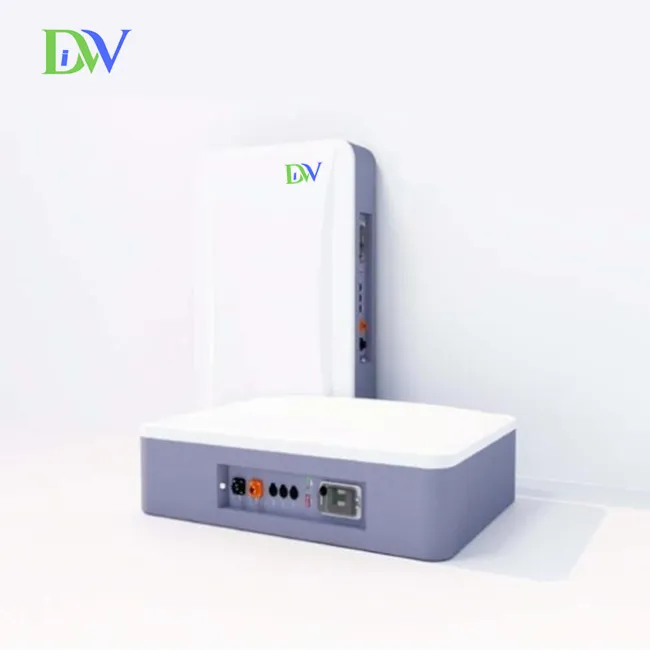
LiMn2O4 batteries offer a good balance between cost, performance, and cycle life. They can usually achieve 1000 - 2000 charge - discharge cycles, depending on the operating conditions. These batteries are often used in applications where a moderate cycle life is sufficient, such as Wall Mounted Lithium Battery systems.
Lithium Nickel Manganese Cobalt Oxide (LiNiMnCoO2 or NMC) Batteries
NMC batteries are known for their high energy density and good cycle life. They can typically endure 1000 - 3000 charge - discharge cycles. NMC batteries are commonly used in Portable Storage Battery applications, where a combination of high energy density and reasonable cycle life is required.
Maximizing the Cycle Life of Lithium Ion UPS Batteries
To ensure that your Lithium Ion UPS Battery lasts as long as possible, you can take the following steps:
1. Optimize Depth of Discharge
Avoid deep discharges whenever possible. Try to keep the DoD below 50% to extend the battery's cycle life. Some UPS systems have built - in charge management systems that can help control the DoD.
2. Control Charge and Discharge Rates
Use a charger and inverter that are compatible with the battery's recommended charge and discharge rates. Avoid rapid charging and discharging, especially in high - temperature environments.
3. Maintain Optimal Temperature
Keep the battery in a temperature - controlled environment. If necessary, use cooling or heating systems to ensure that the battery operates within the optimal temperature range.
4. Regular Maintenance
Perform regular inspections and maintenance on the battery. Check for any signs of damage, such as swelling or leakage, and ensure that the battery connections are clean and tight.
Conclusion
The number of charge - discharge cycles a Lithium Ion UPS Battery can withstand depends on various factors, including battery chemistry, depth of discharge, charge and discharge rates, and temperature. By understanding these factors and taking appropriate measures to optimize battery operation, you can maximize the cycle life of your Lithium Ion UPS Battery.
As a supplier of Lithium Ion UPS Batteries, I am committed to providing high - quality products and professional advice to help you choose the right battery for your needs. Whether you are looking for a long - lasting Home Battery Storage System, a convenient Wall Mounted Lithium Battery, or a portable Portable Storage Battery, I can offer you suitable solutions.
If you are interested in purchasing Lithium Ion UPS Batteries or have any questions about battery performance and cycle life, please feel free to contact me for a detailed discussion and personalized procurement options.
References
- Linden, D., & Reddy, T. B. (2002). Handbook of Batteries. McGraw - Hill.
- Tarascon, J. M., & Armand, M. (2001). Issues and challenges facing rechargeable lithium batteries. Nature, 414(6861), 359 - 367.
- Goodenough, J. B., & Kim, Y. (2010). Challenges for rechargeable Li batteries. Chemistry of Materials, 22(3), 587 - 603.