

How does the battery chemistry of an outdoor portable battery affect its performance?
Jun 11, 2025
Hey there, fellow outdoor enthusiasts and power-hungry adventurers! As a supplier of outdoor portable batteries, I've seen firsthand how the battery chemistry can make or break a battery's performance. In this blog post, I'm going to dive into the nitty-gritty of battery chemistry and explain how it affects the performance of outdoor portable batteries.
First off, let's talk about the most common types of battery chemistries used in outdoor portable batteries: lithium-ion (Li-ion) and lithium iron phosphate (LiFePO4). These two chemistries are popular because they offer high energy density, long cycle life, and relatively low self-discharge rates. But there are some key differences between them that can have a big impact on performance.
Li-ion batteries are the most widely used type of rechargeable battery, and for good reason. They have a high energy density, which means they can store a lot of energy in a small package. This makes them ideal for portable devices, including outdoor portable batteries. Li-ion batteries also have a relatively long cycle life, which means they can be recharged and discharged many times before they start to lose their capacity.
However, Li-ion batteries do have some drawbacks. They are more sensitive to high temperatures and overcharging than other types of batteries, which can cause them to degrade more quickly. They also have a higher risk of thermal runaway, which is a dangerous condition where the battery overheats and can potentially catch fire or explode.
On the other hand, LiFePO4 batteries are a newer type of battery chemistry that is gaining popularity in the outdoor portable battery market. LiFePO4 batteries have a lower energy density than Li-ion batteries, which means they can't store as much energy in the same size package. However, they make up for this with a number of other advantages.
One of the biggest advantages of LiFePO4 batteries is their safety. They are much less likely to overheat or catch fire than Li-ion batteries, even if they are overcharged or damaged. This makes them a great choice for outdoor applications where safety is a top priority.
LiFePO4 batteries also have a longer cycle life than Li-ion batteries. They can typically be recharged and discharged thousands of times before they start to lose their capacity, which means they will last longer and save you money in the long run.

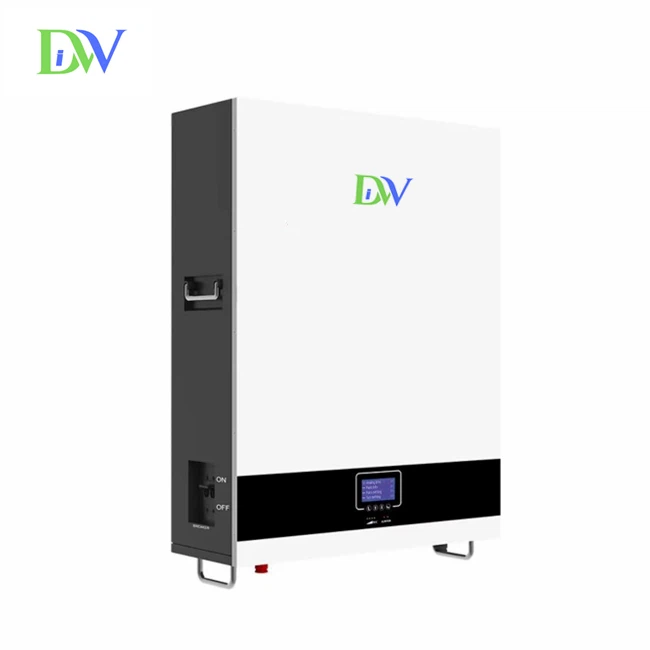
Another advantage of LiFePO4 batteries is their performance in cold temperatures. Li-ion batteries can lose a significant amount of their capacity in cold weather, which can be a problem for outdoor activities in the winter. LiFePO4 batteries, on the other hand, are much more resistant to cold temperatures and can maintain their performance even in freezing conditions.
So, which type of battery chemistry is better for outdoor portable batteries? Well, it depends on your specific needs and preferences. If you need a battery with a high energy density and don't mind taking a few extra precautions to ensure its safety, then a Li-ion battery might be the right choice for you. However, if safety, long cycle life, and cold weather performance are your top priorities, then a LiFePO4 battery is probably the way to go.
At our company, we offer a range of outdoor portable batteries with both Li-ion and LiFePO4 chemistries. Our Powerwall Lithium Battery is a high-performance Li-ion battery that is perfect for powering your outdoor devices. It has a large capacity, a fast charging time, and a built-in battery management system to ensure its safety.
If you're looking for a safer and more durable option, then our Lithium Ferro Phosphate Battery is a great choice. It has a long cycle life, excellent cold weather performance, and a high level of safety.
In addition to our portable batteries, we also offer a Microgrid Energy Storage System that is designed to store energy from renewable sources like solar panels and wind turbines. This system is perfect for off-grid living or for reducing your reliance on the grid.
So, there you have it! That's a brief overview of how battery chemistry affects the performance of outdoor portable batteries. If you have any questions or would like to learn more about our products, please don't hesitate to contact us. We're always happy to help!
Thanks for reading, and happy adventuring!
References
- Linden, D., & Reddy, T. B. (2002). Handbook of batteries. McGraw-Hill.
- Tarascon, J. M., & Armand, M. (2001). Issues and challenges facing rechargeable lithium batteries. Nature, 414(6861), 359-367.