

How do I store a portable storage battery during winter?
Jul 11, 2025
Hey there! As a supplier of portable storage batteries, I often get asked about how to store these power - packs during winter. Winter can be a tricky time for batteries, so I'm here to share some tips based on my experience in the industry.
First off, let's talk about why winter storage matters. Batteries, especially lithium - ion ones, are sensitive to temperature. Cold temperatures can slow down the chemical reactions inside the battery, which in turn affects its performance. If you don't store your portable storage battery properly during winter, you might find that it doesn't hold a charge as well or could even get damaged.
Ideal Storage Conditions
The ideal temperature range for storing a portable storage battery in winter is between 32°F (0°C) and 59°F (15°C). You don't want it to get too cold because that can cause the electrolyte inside the battery to thicken. When the electrolyte thickens, it becomes harder for the ions to move around, and this reduces the battery's capacity and ability to deliver power.
On the flip side, you also don't want the battery to be in a place that's too warm. High temperatures can cause the battery to self - discharge faster and can even lead to long - term damage to the battery cells.
State of Charge
Before you store your battery for the winter, it's important to get it to the right state of charge. For most lithium - ion portable storage batteries, you should aim to store them at around 50% charge. This helps to prevent over - discharging, which can damage the battery, and also reduces the stress on the battery cells during storage.
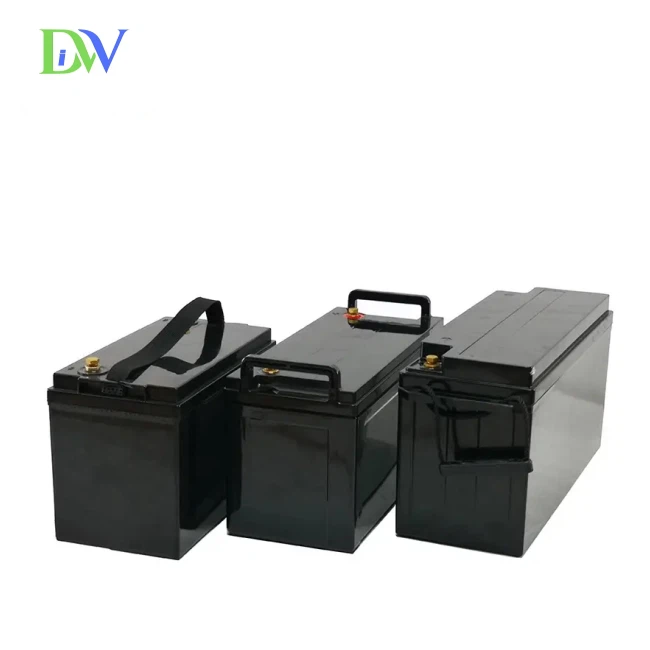
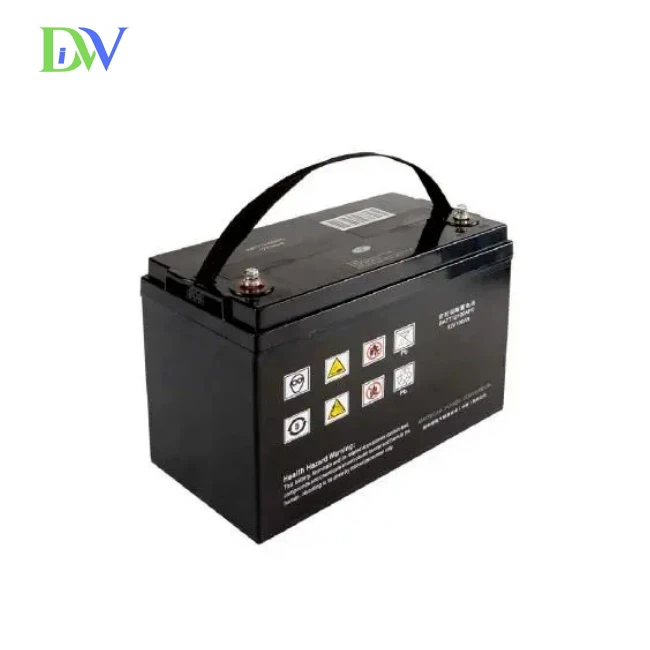
If you store a battery fully charged for a long time, it can lead to a phenomenon called "voltage depression." This means that the battery might seem like it has a lower capacity when you try to use it again after storage. On the other hand, if the battery is completely discharged during storage, it can cause irreversible damage to the battery cells.
Storage Location
When it comes to choosing a storage location, you've got a few options. A basement or an indoor closet can be great choices as long as they meet the temperature requirements. Make sure the area is dry and free from any sources of moisture. Moisture can cause corrosion on the battery terminals and can also lead to short - circuits.
If you don't have an indoor space available, you can use an insulated storage container. There are some really good ones on the market that can help to keep the temperature inside relatively stable. Just make sure to place the battery on a non - conductive surface like a piece of wood or a plastic mat.
Maintenance During Storage
Even when the battery is in storage, it's a good idea to check on it every once in a while. Every few months, you should take the battery out and check its charge level. If the charge has dropped below 40%, you can give it a little top - up charge. But don't over - charge it. Just bring it back up to around 50%.
You should also inspect the battery for any signs of damage, like cracks in the casing or leaks. If you notice any issues, it's best to stop using the battery and consult a professional.
Specific Considerations for Different Types of Batteries
Lithium Battery For Camper
Lithium Battery For Camper batteries are often used in outdoor settings, so they need extra care during winter storage. These batteries are usually designed to be more rugged, but the cold can still take a toll on them.
Make sure to remove the battery from the camper if possible. This will protect it from the harsh outdoor conditions. If you can't remove it, at least try to insulate the area around the battery. You can use thermal blankets or insulation materials to keep the temperature around the battery more stable.
Wall Mounted Lithium Battery
Wall Mounted Lithium Battery units are a popular choice for home energy storage. When storing these during winter, it's important to make sure the wall where they are mounted is well - insulated. If the wall gets too cold, it can transfer the cold to the battery.
You might also want to consider using a temperature - controlled room or area for these batteries. Some wall - mounted batteries come with built - in temperature sensors and management systems, but it's still a good idea to take extra precautions.
Emergency Backup Power
If you're using your portable storage battery as Emergency Backup Power, it's crucial to make sure it's ready when you need it. Winter is a time when power outages can be more common due to snowstorms and other weather - related issues.
By following the storage tips I've mentioned, you can ensure that your battery will be in good condition and ready to provide power when there's an emergency. Test the battery periodically to make sure it's still functioning properly. You can do a simple load test to see if it can power your essential devices.
Conclusion
Storing a portable storage battery during winter doesn't have to be a headache. By paying attention to the temperature, state of charge, storage location, and doing some basic maintenance, you can keep your battery in top - notch condition.
If you're in the market for a new portable storage battery or have any questions about battery storage, feel free to reach out. We're here to help you make the most of your battery and ensure that it lasts for a long time. Whether you need a battery for your camper, as an emergency backup, or for wall - mounted home storage, we've got a wide range of options to suit your needs. Let's talk about your requirements and find the perfect battery solution for you.
References
- Battery University: A great resource for all things related to battery technology and storage.
- Manufacturer's manuals for portable storage batteries. These often contain specific storage and maintenance instructions.