

How do I store a home backup battery?
Dec 05, 2025
Hey there! As a supplier of home backup batteries, I often get asked about the best ways to store these power - saving gems. And let me tell you, proper storage is super important. It can not only extend the life of your home backup battery but also ensure it's ready to roll when you need it most.
First off, let's talk about temperature. Batteries are a bit like Goldilocks - they don't like it too hot or too cold. Extreme temperatures can mess with the chemical reactions inside the battery, which can reduce its capacity and overall lifespan. Ideally, you want to store your home backup battery in a place where the temperature stays between 50°F and 77°F (10°C and 25°C).
If it's too hot, the battery can overheat, and that's a big no - no. Overheating can cause the battery to degrade faster, and in some cases, it can even lead to safety issues. On the flip side, if it's too cold, the battery's performance can take a nosedive. The chemical reactions slow down, and you might not get the full power output when you need it.
Another crucial factor is humidity. You don't want your battery sitting in a damp environment. High humidity can cause corrosion on the battery terminals, which can disrupt the flow of electricity. A dry place with humidity levels between 30% and 50% is the sweet spot. You can use a dehumidifier in the storage area if necessary to keep the humidity in check.
Now, let's consider the location. You should store your home backup battery in a well - ventilated area. Good ventilation helps prevent the build - up of any potentially harmful gases that the battery might produce during its normal operation. Avoid storing the battery in a closed cabinet or a small, air - tight space. A garage or a basement can be great storage options, as long as they meet the temperature and humidity requirements.
When it comes to the physical storage of the battery, make sure it's placed on a stable surface. You don't want it tipping over or getting knocked around. Also, keep it away from any flammable materials. Some batteries can generate heat during charging or discharging, and you don't want to risk starting a fire.
If you're not going to use the battery for an extended period, it's a good idea to charge it to about 50% - 80% of its capacity before storing it. This helps maintain the battery's health. And every few months, you should check the charge level and recharge it if necessary.
Let's take a look at some of the products we offer and how these storage tips apply to them. Our 3kwh Portable Power Station is a great option for those who need a bit of extra power on the go or during a power outage. It's relatively compact, but you still need to store it properly. Follow the temperature, humidity, and ventilation guidelines, and you'll be good to go.
The Emergency Light Battery Pack is another essential product. You want to keep it in a place where it's easily accessible in case of an emergency. But don't forget about the storage conditions. Make sure it's stored in a dry, cool, and well - ventilated area so that it's ready to light up when the power goes out.
And then there's the Portable Car Power Bank. This is a handy device for jump - starting your car or charging your electronic devices on the road. Just like the other products, proper storage is key. Keep it in a place where it won't be exposed to extreme temperatures or high humidity.

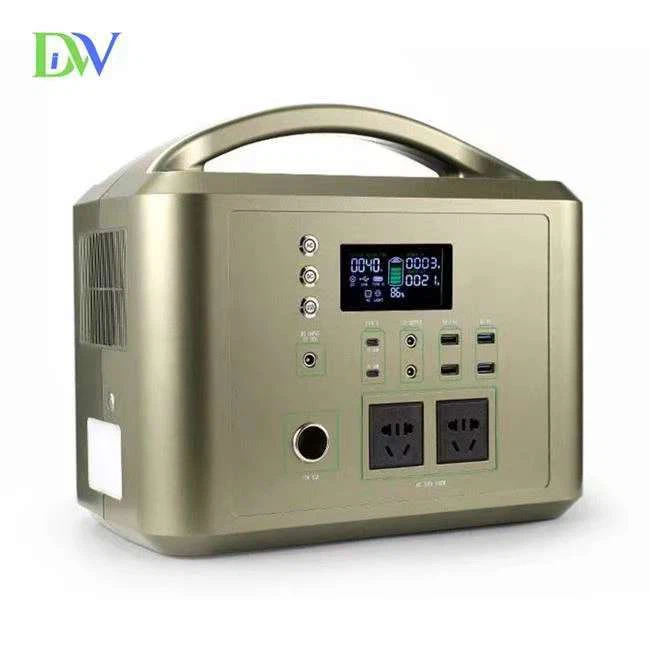
Now, if you're in the market for a home backup battery, we've got you covered. Our products are high - quality and designed to meet your power needs. Whether you're looking for a small portable power bank or a large - scale home backup system, we have a wide range of options to choose from.
If you're interested in learning more about our products or have any questions about battery storage, don't hesitate to reach out. We're here to help you make the best decision for your power needs. Contact us for a detailed discussion about your requirements and how our home backup batteries can fit into your lifestyle.
References
- Battery University: A well - known source for battery information and best practices.
- Manufacturer's guides for home backup batteries, which often include specific storage recommendations.