

How do I extend the life of a camping lithium battery?
Dec 05, 2025
As a supplier of camping lithium batteries, I've witnessed firsthand the importance of extending the lifespan of these essential power sources. Whether you're an avid camper, a weekend warrior, or someone who relies on off-grid power, maximizing the life of your camping lithium battery can save you money and ensure you have reliable power when you need it most. In this blog post, I'll share some practical tips and strategies based on industry knowledge and experience to help you get the most out of your camping lithium battery.
Understanding the Basics of Camping Lithium Batteries
Before diving into the tips for extending battery life, it's crucial to understand the fundamentals of camping lithium batteries. Lithium batteries are known for their high energy density, lightweight design, and long cycle life compared to traditional lead-acid batteries. They are also more efficient at storing and delivering power, making them an ideal choice for camping applications.
However, like all batteries, lithium batteries have their limitations. They are sensitive to temperature, overcharging, and deep discharging, which can significantly impact their lifespan. By understanding these factors and taking appropriate measures, you can protect your battery and extend its life.
Temperature Management
One of the most critical factors affecting the lifespan of a camping lithium battery is temperature. Lithium batteries perform best within a specific temperature range, typically between 20°C and 40°C (68°F and 104°F). Exposure to extreme temperatures, whether hot or cold, can cause irreversible damage to the battery cells and reduce their capacity over time.
- Hot Weather: In hot weather, it's essential to keep your battery cool. Avoid leaving your battery in direct sunlight or in a hot vehicle for extended periods. If possible, store your battery in a shaded area or use a battery cooler to maintain a stable temperature. Additionally, avoid charging your battery when it's hot, as this can cause overheating and damage the battery cells.
- Cold Weather: Cold temperatures can also have a negative impact on battery performance. Lithium batteries have a reduced capacity in cold weather, and charging them at low temperatures can cause lithium plating, which can damage the battery cells and reduce their lifespan. To prevent this, keep your battery warm by storing it in an insulated container or using a battery heater. If you need to charge your battery in cold weather, make sure it's at a suitable temperature before connecting it to the charger.
Proper Charging Techniques
Another crucial factor in extending the life of a camping lithium battery is proper charging. Overcharging and undercharging can both cause damage to the battery cells and reduce their capacity over time. To ensure your battery is charged correctly, follow these tips:
- Use a Compatible Charger: Always use a charger specifically designed for lithium batteries. Using the wrong charger can cause overcharging, overheating, and damage to the battery cells. Make sure the charger has the correct voltage and current ratings for your battery.
- Avoid Overcharging: Overcharging can cause the battery cells to overheat and damage the battery's internal structure. To prevent overcharging, use a charger with an automatic shut-off feature or a battery management system (BMS) that monitors the battery's charge level and stops charging when it reaches full capacity.
- Charge at the Right Rate: Charging your battery at a high rate can generate heat and cause damage to the battery cells. To avoid this, charge your battery at a moderate rate, typically between 0.2C and 0.5C. For example, if you have a 100Ah battery, the charging current should be between 20A and 50A.
- Avoid Deep Discharging: Deep discharging, or discharging the battery below its recommended minimum voltage, can cause irreversible damage to the battery cells and reduce their capacity over time. To prevent deep discharging, use a battery monitor to keep track of the battery's charge level and avoid discharging it below 20% of its capacity.
Regular Maintenance
Regular maintenance is essential for extending the life of a camping lithium battery. By keeping your battery clean, checking its connections, and performing regular capacity tests, you can ensure it's in good condition and performing at its best.
- Keep Your Battery Clean: Dirt, dust, and debris can accumulate on the battery terminals and connections, which can cause corrosion and reduce the battery's performance. To prevent this, clean the battery terminals and connections regularly using a soft brush and a mixture of baking soda and water. Rinse the terminals and connections with clean water and dry them thoroughly before reconnecting the battery.
- Check the Connections: Loose or corroded connections can cause a loss of power and damage to the battery cells. To prevent this, check the battery connections regularly and make sure they're tight and secure. If you notice any signs of corrosion, clean the connections using a wire brush and apply a thin layer of dielectric grease to prevent future corrosion.
- Perform Regular Capacity Tests: Over time, the capacity of a lithium battery will gradually decrease. To monitor the health of your battery, perform regular capacity tests using a battery tester. This will help you determine the remaining capacity of your battery and whether it needs to be replaced.
Storage
Proper storage is also crucial for extending the life of a camping lithium battery. If you're not using your battery for an extended period, it's essential to store it correctly to prevent damage and maintain its capacity.
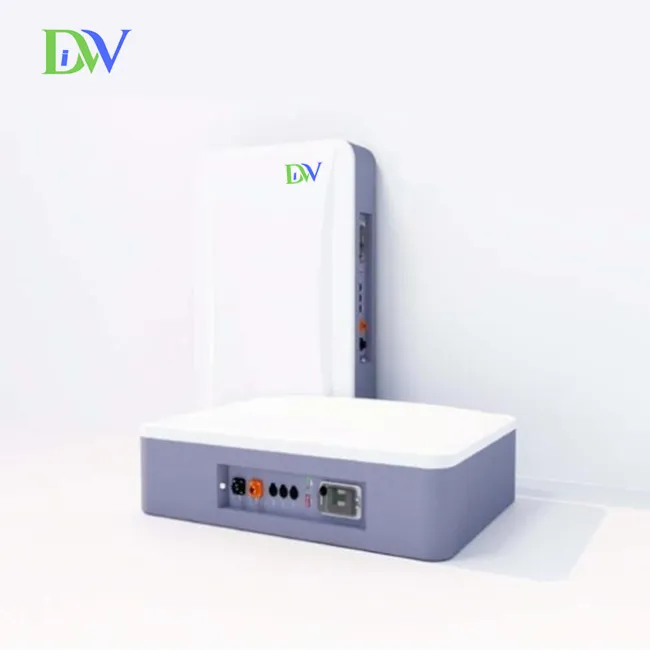

- Charge the Battery to 50%: Before storing your battery, charge it to approximately 50% of its capacity. This will help prevent self-discharge and keep the battery cells in good condition.
- Store the Battery in a Cool, Dry Place: Store your battery in a cool, dry place away from direct sunlight and heat sources. Avoid storing your battery in a damp or humid environment, as this can cause corrosion and damage to the battery cells.
- Check the Battery Regularly: Even when stored, a lithium battery will gradually lose its charge over time. To prevent this, check the battery's charge level regularly and recharge it if necessary.
Conclusion
Extending the life of a camping lithium battery requires a combination of proper temperature management, charging techniques, maintenance, and storage. By following these tips and strategies, you can protect your battery and ensure it provides reliable power for years to come.
If you're in the market for a high-quality camping lithium battery or need more information on how to extend the life of your existing battery, I encourage you to contact us for more details. Our team of experts is always available to answer your questions and help you find the right battery solution for your needs.
In addition to camping lithium batteries, we also offer a range of other energy storage solutions, including Home Battery Storage System, Communication Base Station Battery, and RV Lithium Battery. Visit our website to learn more about our products and services.
References
- Battery University. (n.d.). Lithium-ion Basics. Retrieved from https://batteryuniversity.com/learn/article/li_ion_basics
- National Renewable Energy Laboratory. (2019). Lithium-Ion Battery Storage: Technology and Applications. Retrieved from https://www.nrel.gov/docs/fy19osti/72877.pdf
- Tesla. (n.d.). Lithium-Ion Battery Safety. Retrieved from https://www.tesla.com/support/lithium-ion-battery-safety