

How do I prevent overcharging of a camping lithium battery?
Jul 03, 2025
Hey there, fellow camping enthusiasts! As a supplier of camping lithium batteries, I've seen my fair share of battery issues, and one of the most common problems is overcharging. Overcharging can not only reduce the lifespan of your battery but also pose a safety risk. So, in this blog post, I'm going to share some tips on how you can prevent overcharging of your camping lithium battery.
Understanding the Basics of Lithium Batteries
Before we dive into the prevention methods, let's quickly go over some basics of lithium batteries. Lithium batteries are known for their high energy density, long lifespan, and lightweight design, which makes them perfect for camping. However, they are also more sensitive to overcharging compared to other types of batteries.
When a lithium battery is overcharged, the voltage can rise to a dangerous level, causing the battery to overheat, swell, or even catch fire. That's why it's crucial to take the necessary precautions to prevent overcharging.
Use a Quality Charger
One of the most important steps in preventing overcharging is to use a quality charger specifically designed for lithium batteries. A good charger will have built - in safety features such as overcharge protection. These chargers are programmed to stop charging the battery once it reaches its full capacity.
When you're shopping for a charger, look for ones that are compatible with your camping lithium battery. Check the voltage and current ratings to ensure a proper match. Also, read reviews from other users to get an idea of the charger's reliability. You can find some great chargers that are specifically designed for Lithium Ferro Phosphate Battery, which are commonly used in camping applications.
Monitor the Charging Process
Even with a good charger, it's a good idea to keep an eye on the charging process. Most chargers have indicators that show the charging status, such as a light that turns green when the battery is fully charged. You can also use a voltmeter to measure the battery voltage during charging.
A fully charged lithium battery typically has a voltage of around 3.6 - 3.7 volts per cell. If you notice that the voltage is approaching or exceeding this range, it's a sign that the battery might be overcharging. In such cases, immediately stop the charging process.
Set Up a Charging Timer
Another useful way to prevent overcharging is to use a charging timer. You can set the timer for the approximate time it takes to fully charge your battery. Once the timer goes off, the charger will automatically stop.
This method is especially handy if you're charging your battery overnight or when you can't constantly monitor the charging process. Just make sure to calculate the charging time accurately based on your battery's capacity and the charger's output.
Avoid Charging in Extreme Temperatures
Lithium batteries are sensitive to temperature, and charging them in extreme temperatures can increase the risk of overcharging. High temperatures can cause the battery to heat up during charging, which can lead to overcharging and damage to the battery cells.
On the other hand, charging in very cold temperatures can also affect the battery's performance and increase the chances of overcharging. Try to charge your battery in a temperature - controlled environment, ideally between 20 - 25 degrees Celsius.
Use a Battery Management System (BMS)
A Battery Management System (BMS) is a great addition to your camping lithium battery setup. A BMS monitors and controls the charging and discharging of the battery. It can prevent overcharging by balancing the voltage across the battery cells and disconnecting the charger when the battery is full.
Many of our camping lithium batteries come with a built - in BMS, but if yours doesn't, you can purchase an external BMS. This extra layer of protection can significantly extend the lifespan of your battery and keep it safe.
Don't Leave the Battery Connected to the Charger Indefinitely
It might be tempting to leave your battery connected to the charger after it's fully charged, especially if you're not planning to use it right away. However, this can lead to overcharging over time.
Once the battery is fully charged, disconnect it from the charger. If you need to store the battery for an extended period, make sure to store it at a partial charge (around 50 - 60% is ideal) in a cool, dry place.
Regularly Inspect Your Battery
Regularly inspecting your camping lithium battery can help you catch any potential issues early. Look for signs of swelling, leakage, or damage to the battery casing. If you notice any of these signs, it's important to stop using the battery immediately as it could be a sign of overcharging or other problems.

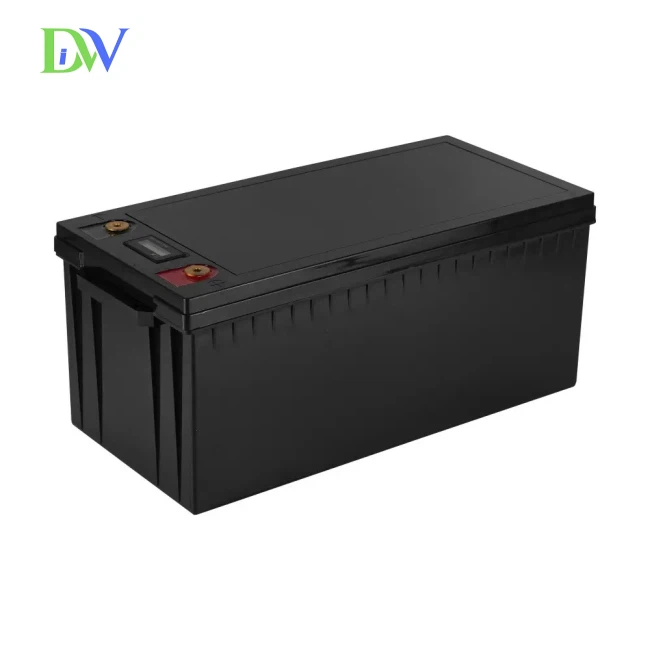
Also, check the connections between the battery and the charger. Loose or corroded connections can cause uneven charging and increase the risk of overcharging.
Consider a Microgrid Energy Storage System
If you're serious about camping and want a more reliable power solution, you might want to consider a Microgrid Energy Storage System. These systems can store energy from multiple sources such as solar panels and generators and provide a stable power supply to your camping equipment.
A microgrid energy storage system often comes with advanced charging management features that can prevent overcharging. It can also help you manage your power usage more efficiently, ensuring that your camping lithium battery lasts longer.
Wall Mounted Lithium Battery Options
For those who need a more convenient and space - saving option, Wall Mounted Lithium Battery can be a great choice. These batteries can be easily installed on the wall of your camping trailer or cabin.
Just like other lithium batteries, they require proper charging management to prevent overcharging. Make sure to follow the same tips and use a compatible charger with overcharge protection.
Conclusion
Preventing overcharging of your camping lithium battery is essential for its longevity and safety. By using a quality charger, monitoring the charging process, setting up a timer, and taking other precautions, you can ensure that your battery stays in good condition.
As a camping lithium battery supplier, we're committed to providing you with high - quality products and useful information. If you have any questions about our batteries or need help with preventing overcharging, don't hesitate to reach out. We're here to assist you in making the most of your camping experience with reliable power. Whether you're looking for a new battery, a charger, or a more advanced energy storage solution, we can help you find the right fit for your needs. Contact us today to start a conversation about your power requirements!
References
- Battery University: Lithium - ion Battery Charging
- Camping Equipment Reviews: Best Chargers for Lithium Batteries