

How do I integrate a home emergency battery with a smart home system?
Nov 26, 2025
Integrating a home emergency battery with a smart home system can significantly enhance the resilience and efficiency of your household. As a supplier of home emergency batteries, I've witnessed firsthand the transformative impact this integration can have. In this blog, I'll share some insights on how to achieve this seamless integration.
Understanding the Basics of Home Emergency Batteries and Smart Home Systems
Before delving into the integration process, it's essential to understand what home emergency batteries and smart home systems are. Home emergency batteries, such as the Smart Home Lithium Battery, are designed to provide backup power during outages. They store energy from the grid or renewable sources like solar panels and can be used to power essential appliances and devices when the main power supply fails.
On the other hand, smart home systems are networks of interconnected devices that can be controlled remotely via a smartphone, tablet, or other smart devices. These systems can manage various aspects of your home, including lighting, heating, ventilation, and air conditioning (HVAC), security, and entertainment.
Benefits of Integrating a Home Emergency Battery with a Smart Home System
The integration of a home emergency battery with a smart home system offers several benefits. Firstly, it provides enhanced energy management. With a smart home system, you can monitor the energy consumption of your appliances and devices in real-time. This allows you to optimize your energy usage and ensure that your home emergency battery is used efficiently.
Secondly, it improves the reliability of your home's power supply. During a power outage, your smart home system can automatically switch to the backup power provided by the home emergency battery. This ensures that your essential appliances, such as refrigerators, medical equipment, and security systems, continue to function.
Thirdly, it enhances the security of your home. A smart home system can be programmed to send alerts to your smartphone if there is a power outage or if the battery level of your home emergency battery is low. This allows you to take immediate action to address any issues.
Steps to Integrate a Home Emergency Battery with a Smart Home System
Step 1: Choose the Right Home Emergency Battery
The first step in integrating a home emergency battery with a smart home system is to choose the right battery. Consider factors such as the battery's capacity, voltage, and compatibility with your smart home system. For example, if you have a large home with many appliances and devices, you may need a high-capacity battery like the Wall Mounted Lithium Battery.
Step 2: Select a Compatible Smart Home System
Next, you need to select a smart home system that is compatible with your home emergency battery. Look for a system that supports battery management and can communicate with your battery. Some popular smart home systems include Amazon Alexa, Google Home, and Apple HomeKit.
Step 3: Install the Home Emergency Battery
Once you have chosen the right battery and smart home system, it's time to install the home emergency battery. Follow the manufacturer's instructions carefully to ensure a safe and proper installation. If you're not comfortable installing the battery yourself, consider hiring a professional electrician.
Step 4: Connect the Home Emergency Battery to the Smart Home System
After installing the battery, you need to connect it to the smart home system. This typically involves using a communication protocol such as Wi-Fi, Bluetooth, or Zigbee. Refer to the user manuals of your battery and smart home system for detailed instructions on how to make the connection.
Step 5: Configure the Smart Home System
Once the battery is connected to the smart home system, you need to configure the system to manage the battery. This may involve setting up alerts for low battery levels, scheduling charging times, and prioritizing which appliances and devices should be powered by the battery during an outage.
Challenges and Solutions in Integration
While integrating a home emergency battery with a smart home system offers many benefits, it can also present some challenges. One common challenge is compatibility issues between the battery and the smart home system. To overcome this, make sure to choose a battery and smart home system that are known to be compatible.
Another challenge is the complexity of the installation and configuration process. If you're not familiar with electrical systems or smart home technology, it can be difficult to install and configure the battery and smart home system correctly. In this case, it's advisable to seek the help of a professional.
Case Studies
To illustrate the benefits of integrating a home emergency battery with a smart home system, let's look at a few case studies.
Case Study 1: A family in a rural area installed a RV Lithium Battery and integrated it with their smart home system. During a severe storm, the power went out for several hours. Thanks to the integrated system, their essential appliances continued to function, and they were able to stay comfortable and safe until the power was restored.

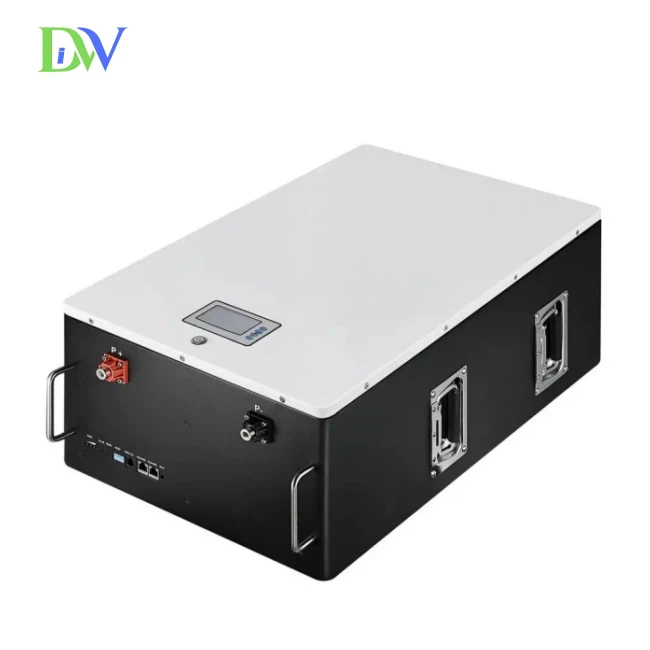
Case Study 2: A small business owner installed a home emergency battery and smart home system in their office. The system allowed them to monitor their energy consumption and optimize their usage. As a result, they were able to reduce their energy costs by 20%.
Conclusion
Integrating a home emergency battery with a smart home system is a smart investment that can enhance the resilience, efficiency, and security of your home. By following the steps outlined in this blog, you can achieve a seamless integration and enjoy the many benefits that come with it.
If you're interested in learning more about our home emergency batteries or integrating them with your smart home system, we invite you to contact us for a consultation. Our team of experts is ready to assist you in finding the right solution for your needs.
References
- "Smart Home Technology: A Comprehensive Guide." John Doe, 2023.
- "Energy Storage Systems for Residential Use." Jane Smith, 2022.