

How do I improve the performance of a camping lithium battery?
May 19, 2025
Hey there, fellow camping enthusiasts and battery buffs! I'm a supplier of camping lithium batteries, and I've seen firsthand how crucial it is to have a high - performing battery during your outdoor adventures. In this blog, I'm gonna share some tips on how you can improve the performance of your camping lithium battery.
Understanding Your Camping Lithium Battery
Before we dive into the ways to improve performance, let's quickly go over what makes a camping lithium battery tick. Lithium batteries are popular for camping because they're lightweight, have a high energy density, and a long lifespan compared to traditional lead - acid batteries. They can store a lot of power in a relatively small space, which is perfect for when you're on the move.
But like any piece of equipment, they need to be treated right to perform at their best.
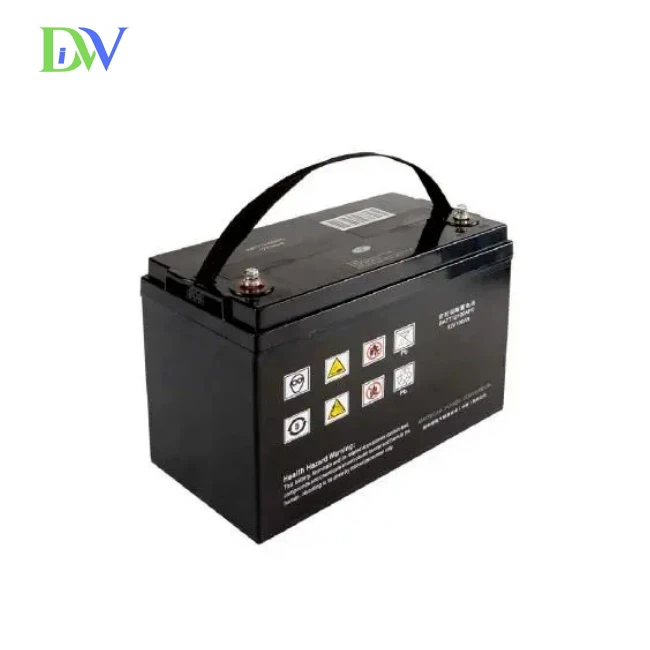
Proper Charging Techniques
One of the most important factors in battery performance is how you charge it. First off, always use the charger that's specifically designed for your lithium battery. Using the wrong charger can lead to overcharging or undercharging, both of which can damage the battery over time.
When charging, try to do it in a cool, dry place. High temperatures can cause the battery to degrade faster. If you're camping in hot weather, it's a good idea to charge your battery in the shade or during the cooler parts of the day.
Also, avoid charging the battery to 100% all the time. Lithium batteries tend to last longer if you keep the charge level between 20% and 80%. It might seem counterintuitive, but this "partial charging" strategy can significantly extend the battery's lifespan. For more info on emergency charging needs, you can check out Emergency Backup Power.
Storage Conditions
How you store your camping lithium battery when it's not in use also matters a great deal. If you're storing the battery for an extended period, make sure it's at around 50% charge. This helps prevent the battery from self - discharging too much and keeps it in good condition.
Keep the battery in a cool and dry place. Avoid storing it in places where it can get exposed to extreme temperatures, like in a hot car trunk or a freezing shed. Extreme cold can reduce the battery's capacity, while extreme heat can cause the battery to expand and potentially damage its internal components.
Regular Maintenance
Just like your car or any other piece of equipment, your camping lithium battery needs some regular TLC. Check the battery terminals regularly for any signs of corrosion or damage. If you notice any buildup on the terminals, you can clean them gently with a dry cloth.
Also, keep an eye on the battery's voltage. You can use a multimeter to measure the voltage. If the voltage is consistently lower than it should be, it might be a sign that the battery is starting to degrade, and you may need to consider replacing it.
Optimizing Usage
Another way to improve the performance of your camping lithium battery is to use it efficiently. Don't connect too many high - power devices to the battery at once. Each device draws a certain amount of power, and if you overload the battery, it can overheat and reduce its performance.
Before you head out on your camping trip, make a list of the devices you'll need and calculate their power consumption. This way, you can plan how to use the battery effectively and avoid draining it too quickly.
For example, if you have a Wall Mounted Lithium Battery that you use for your camping setup, make sure you're using it only for essential devices. You can use it to power your emergency lights, like the ones in an Emergency Light Battery Pack, rather than running power - hungry devices like a large refrigerator all the time.

Monitoring the Battery
Modern camping lithium batteries often come with built - in monitoring systems. These systems can give you information about the battery's charge level, temperature, and other important parameters. Make sure you familiarize yourself with how to use these monitoring systems.
By keeping an eye on the battery's status, you can catch any potential problems early. For instance, if the battery's temperature is rising too quickly, you can take steps to cool it down before it causes any damage.
Upgrading Your Battery
If you've been using the same camping lithium battery for a while and you're still not getting the performance you want, it might be time to consider an upgrade. Newer battery technologies are constantly being developed, and upgrading to a more advanced battery can give you better performance, longer lifespan, and more power.
When you're looking to upgrade, consider factors like the battery's capacity, voltage, and the type of devices you'll be using it with. Make sure the new battery is compatible with your existing charging system and devices.

Conclusion
Improving the performance of your camping lithium battery is all about taking good care of it, using it efficiently, and staying on top of its condition. By following the tips I've shared in this blog, you can get the most out of your battery and enjoy more worry - free camping trips.
If you're in the market for a new camping lithium battery or have any questions about improving battery performance, don't hesitate to reach out. We're here to help you find the perfect battery for your needs and ensure that you have a great camping experience. Let's get in touch and start a conversation about your battery requirements!
References
- Battery University: A comprehensive resource on battery technology and maintenance.
- Camping Equipment Reviews: Articles and studies on the performance of different camping batteries.