

How do I dispose of a used UPS backup lithium battery safely?
Nov 03, 2025
Hey there! I'm an ups backup lithium battery supplier, and I often get asked about how to safely dispose of used UPS backup lithium batteries. It's a crucial topic, not just for the safety of individuals but also for the environment. So, let's dive right in and explore the best ways to handle these batteries when they've reached the end of their life.
First off, why is it so important to dispose of these batteries safely? Well, lithium batteries are packed with chemicals that can be harmful if they end up in landfills or are not handled properly. For instance, lithium can react with moisture in the environment, leading to potential fires or the release of toxic gases. Also, the heavy metals and other components in these batteries can contaminate soil and water sources, posing risks to wildlife and human health.
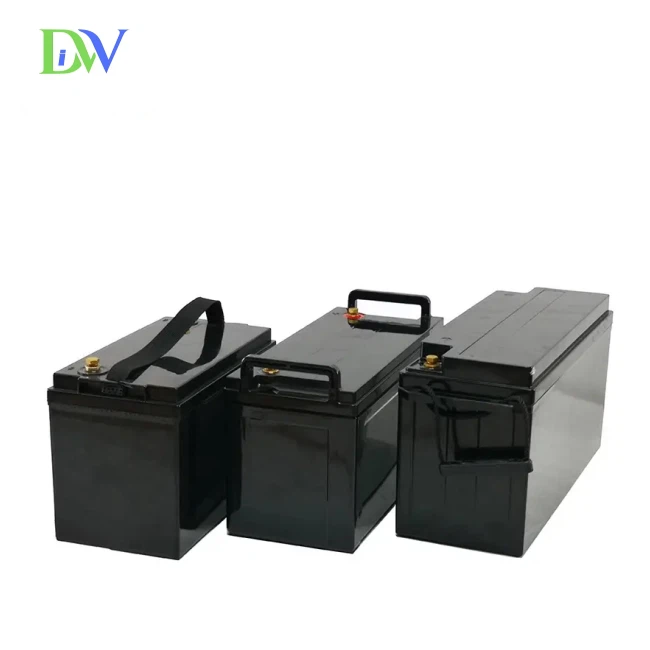
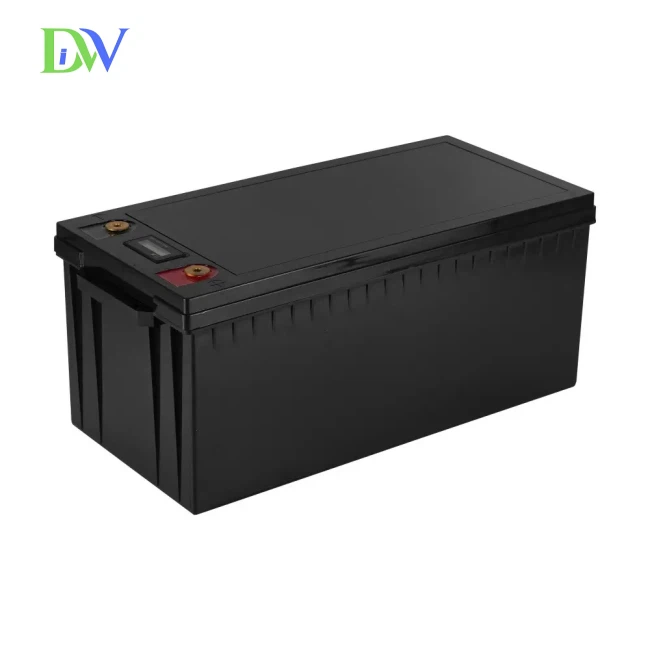
One option you might consider is recycling. Recycling is a great way to give these batteries a second life and reduce the environmental impact. Many recycling facilities are equipped to handle lithium batteries. They can extract valuable materials like lithium, cobalt, and nickel, which can then be used to make new batteries or other products. When you recycle a used UPS backup lithium battery, you're not only helping the planet but also contributing to a more sustainable supply chain.
But how do you find a reliable recycling facility? A good place to start is by checking with your local waste management department. They can provide you with a list of authorized recycling centers in your area. You can also look for recycling programs run by battery manufacturers or retailers. Some companies offer take-back programs where you can return your used batteries to them, and they'll take care of the recycling process.
Another thing to keep in mind is that you should never throw a used lithium battery in the regular trash. This is extremely dangerous and can lead to serious consequences. Instead, store the battery in a safe place until you can properly dispose of it. Make sure to keep it away from heat, moisture, and flammable materials. You can also use a battery storage container or a plastic bag to prevent short-circuiting.
Now, let's talk about the proper handling of used UPS backup lithium batteries before recycling. If the battery is damaged or leaking, it's even more important to take extra precautions. Wear protective gloves and goggles to avoid direct contact with the battery's contents. If possible, place the damaged battery in a non-conductive container and label it as "damaged lithium battery." This will alert the recycling facility to handle it with care.
When transporting the battery to the recycling facility, make sure to secure it properly to prevent any movement or damage. You can use a padded box or a battery shipping container. Also, follow all local regulations regarding the transportation of hazardous materials.
As an ups backup lithium battery supplier, I understand the importance of providing customers with information on safe battery disposal. That's why I'm always happy to answer any questions you might have. If you're in the market for a new UPS backup lithium battery, we offer a wide range of high-quality products, including Lithium Battery For Camper, Store Backup Power Supply, and Lithium Ferro Phosphate Battery. These batteries are designed to provide reliable backup power and are built to last.
If you're interested in purchasing a UPS backup lithium battery or have any questions about battery disposal, feel free to reach out. We're here to help you make the right choice and ensure that you're using and disposing of your batteries safely.
In conclusion, safely disposing of used UPS backup lithium batteries is essential for the safety of everyone and the health of the environment. By recycling these batteries, you're not only reducing waste but also conserving valuable resources. Remember to always follow the proper procedures and regulations when handling and disposing of these batteries. If you have any further questions or need more information, don't hesitate to contact us.
References:
- Environmental Protection Agency. (n.d.). Battery Recycling. Retrieved from [EPA Website]
- Battery Council International. (n.d.). Battery Recycling Guide. Retrieved from [BCI Website]