

Can I use a home backup battery for my RV?
Jan 12, 2026
Can I use a home backup battery for my RV?

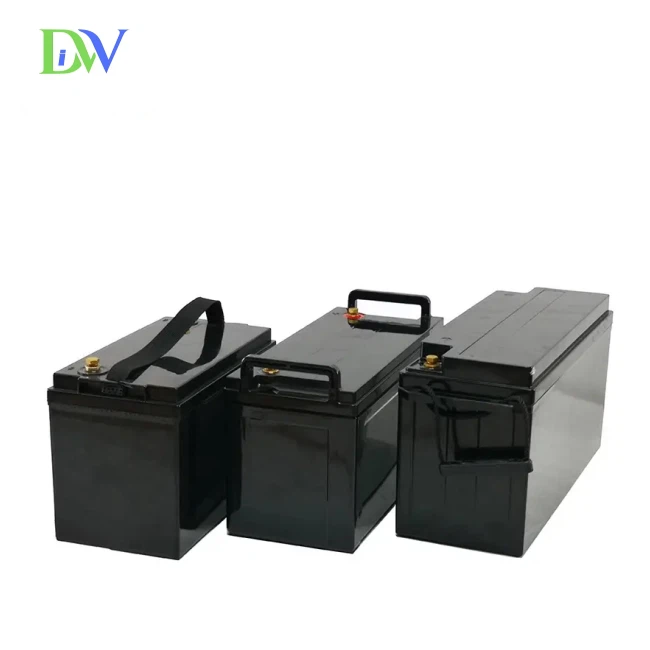
Hey there, fellow RV enthusiasts and energy-conscious folks! I'm a supplier of home backup batteries, and I get this question a lot: "Can I use a home backup battery for my RV?" Well, let's dive right in and find out.
First off, what's a home backup battery? It's a nifty piece of tech that stores energy during off - peak hours or from renewable sources like solar panels. When the power goes out at home, it kicks in to keep your lights on, fridge running, and essentials powered up. But can it work in the wild world of RV living?
Compatibility Check
The first thing to consider is compatibility. Home backup batteries come in different shapes, sizes, and chemistries. The most common ones are lithium - ion batteries because they're efficient, long - lasting, and have a high energy density.
For an RV, you need a battery that can fit into the available space. Most RVs have specific battery compartments, so you need to measure the dimensions of your RV's battery area. Some home backup batteries, like the Wall Mounted Lithium Battery, are designed to be space - efficient, which could be a plus if your RV has limited space.
Next up is voltage. RV electrical systems typically run on 12 - volt DC (direct current), while home electrical systems are 120 - volt AC (alternating current). You need to make sure the home backup battery can be adapted to the 12 - volt DC setup of your RV. Some high - end home backup batteries can be configured to output 12 volts, but you'll likely need to use a proper inverter or charge controller to make it work smoothly.
Power Requirements
RV power needs are different from home power needs. At home, you might be running big appliances like a washing machine, microwave, and air conditioner. In an RV, your power consumption is usually more focused on essentials like lights, the fridge, a small TV, and charging your mobile devices.
However, if you plan to use high - power items like hair dryers or an electric heater in your RV, you'll need a battery with enough capacity. Look at the amp - hour (Ah) rating of the home backup battery. A higher Ah rating means more power storage. For example, if you have a small RV with minimal power usage, a battery with a 100 - Ah rating might be sufficient. But if you're a power - hungry traveler, you might need something in the 200 - Ah or higher range.
The Lithium Battery For Camper is designed with the specific power requirements of campers and RVs in mind. It offers a good balance between capacity and size, which makes it a popular choice among RV owners.
Durability and Portability
RVing means hitting the road, going over bumpy terrains, and dealing with different weather conditions. Your battery needs to be durable. Home backup batteries are usually designed for stationary use in a controlled environment like a basement or garage. They might not be built to withstand the vibrations and shocks of RV travel.
But some home backup batteries are ruggedly built. You should look for features like shock - resistant casings and temperature - resistant materials. Portable home backup batteries are also a great option as they can be easily moved in and out of the RV if needed.
Cost and Value
Cost is always a factor. Home backup batteries can be expensive, but they might offer long - term value. When comparing the cost of a home backup battery with a traditional RV battery, you need to consider factors like lifespan, maintenance, and charging efficiency.
Lithium - ion home backup batteries generally have a longer lifespan than lead - acid batteries. They also require less maintenance as they don't need regular water topping - off like lead - acid batteries. In the long run, a high - quality home backup battery could save you money on battery replacements and maintenance.
Charging Options
In an RV, you have multiple charging options. You can recharge your battery from the RV's alternator when the engine is running, from a campsite power hook - up, or from solar panels. Home backup batteries should be compatible with these charging methods.
If you have solar panels on your RV, you need to ensure that the home backup battery can be efficiently charged by the solar system. Some home backup batteries come with built - in MPPT (Maximum Power Point Tracking) charge controllers, which are great for optimizing solar charging.
Potential Drawbacks
Using a home backup battery in your RV isn't all sunshine and rainbows. One potential drawback is that some home backup batteries are large and heavy. This can add extra weight to your RV, which might affect fuel efficiency and handling.
Also, since home backup batteries are designed for home use, they might not have all the safety features specifically tailored for RV use. For example, RV batteries often have built - in protection against over - discharging, which is crucial in an RV environment where you might use the battery for extended periods.
Conclusion
So, can you use a home backup battery for your RV? The answer is yes, but with some considerations. You need to check compatibility, power requirements, durability, cost, charging options, and potential drawbacks.
If you're in the market for a battery that can double - up as a home backup and RV power source, we've got a lot of great options. Our Truck Starter Battery and Wall Mounted Lithium Battery are just some of the products that might fit the bill.
If you're interested in learning more about using home backup batteries for your RV or have any questions about our products, feel free to reach out. We're here to help you make the best decision for your RVing adventures. Whether you're a weekend warrior or a full - time RVer, having the right battery can make all the difference. Let's chat and see how we can power up your next journey!
References
- Marine and RV Battery Handbook by Battery Council International.
- RV Electrical Systems for Dummies by Shannon Ethridge.