

Can a home backup battery be used in a basement?
Jul 16, 2025
As a supplier of home backup batteries, one question I often get asked is whether a home backup battery can be used in a basement. It's a valid concern, considering basements are a common storage area in many homes. In this blog post, I'll delve into the feasibility of using a home backup battery in a basement, exploring the benefits, potential challenges, and key considerations to ensure a safe and efficient setup.
Benefits of Using a Home Backup Battery in a Basement
Space Utilization
Basements typically offer ample space, which is ideal for installing a home backup battery. Unlike other areas of the house, basements often have unused corners or storage spaces that can be easily converted to accommodate the battery system. This efficient use of space allows homeowners to keep their living areas clutter - free while still having access to reliable backup power.
Temperature Regulation
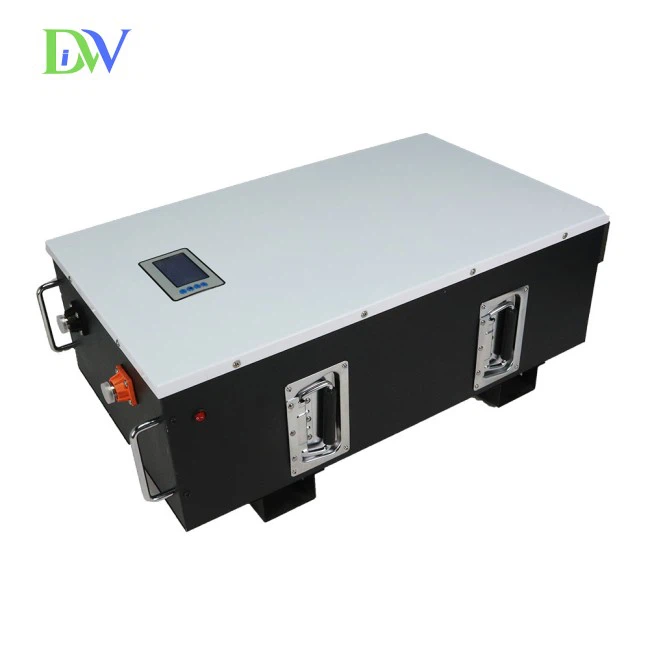
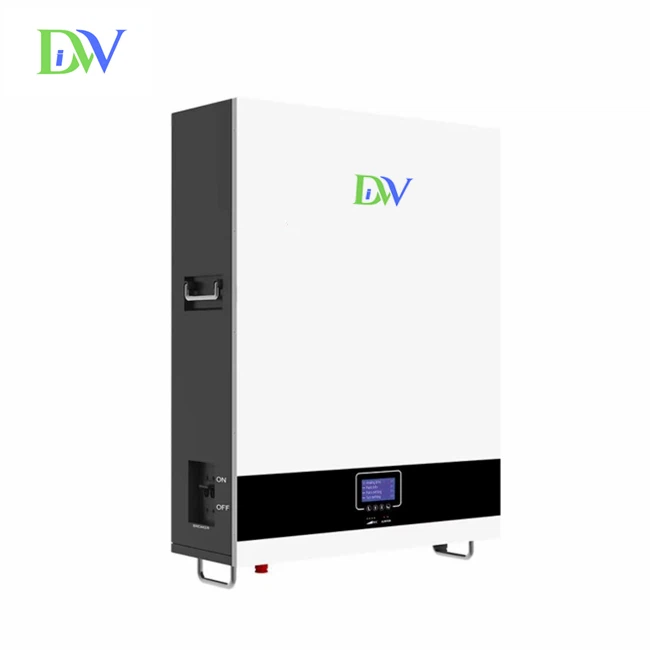
Many modern home backup batteries, such as the Powerwall Lithium Battery, operate optimally within a specific temperature range. Basements tend to have more stable temperatures compared to attics or garages. They are naturally cooler in the summer and warmer in the winter, which can help the battery maintain its performance and extend its lifespan. A stable temperature environment reduces the stress on the battery's components, minimizing the risk of overheating or freezing.
Protection from External Elements
Basements provide a degree of protection from external elements such as rain, snow, and extreme sunlight. This protection is crucial for the longevity of the home backup battery. By being sheltered inside the basement, the battery is less likely to be damaged by weather - related factors, ensuring that it remains in good working condition for years to come.
Potential Challenges of Using a Home Backup Battery in a Basement
Moisture and Humidity
One of the main challenges of using a basement for a home backup battery is the potential for moisture and humidity. High levels of moisture can corrode the battery's components, damage the electrical connections, and even cause short - circuits. To mitigate this risk, it's essential to ensure that the basement is properly waterproofed and ventilated. Installing a dehumidifier can also help maintain a low humidity level, keeping the battery safe from moisture - related damage.
Ventilation Requirements
Home backup batteries, especially those that use lithium - ion technology, generate heat during charging and discharging cycles. Adequate ventilation is necessary to dissipate this heat and prevent the battery from overheating. In a basement, proper ventilation can be more challenging to achieve compared to other areas of the house. It may require the installation of additional ventilation systems, such as fans or vents, to ensure that fresh air can circulate around the battery.
Accessibility
When a home backup battery is installed in the basement, it may be less accessible compared to other locations. In the event of an emergency or maintenance needs, it could be more difficult to reach the battery quickly. Homeowners should consider the layout of the basement and ensure that there is easy access to the battery. This may involve creating a dedicated pathway or storage area for the battery, making it convenient to inspect, maintain, and replace if necessary.
Key Considerations for Installing a Home Backup Battery in a Basement
Battery Location
Choose a location in the basement that is dry, well - ventilated, and away from any potential sources of water or moisture. Avoid placing the battery near the sump pump or areas prone to flooding. It's also important to ensure that the location is easily accessible for maintenance and inspection.
Electrical Requirements
Before installing the home backup battery, consult with a qualified electrician to determine the electrical requirements. The battery needs to be properly connected to the home's electrical system to provide backup power when needed. The electrician can also ensure that the electrical wiring is up to code and can handle the load of the battery.
Safety Precautions
Safety should always be a top priority when installing a home backup battery. Follow the manufacturer's instructions carefully and install any necessary safety devices, such as fire - suppression systems or emergency shut - off switches. Additionally, make sure that the basement is equipped with smoke and carbon monoxide detectors to protect against potential hazards.
Case Study: A Successful Basement Installation
Let's take a look at a real - life example of a homeowner who installed a Powerwall Home Battery in their basement. Mr. Smith, a homeowner in a suburban area, was concerned about power outages during severe weather events. He decided to install a home backup battery in his basement to ensure that his family had access to electricity during emergencies.
Mr. Smith worked with a professional installer to waterproof his basement and install a ventilation system. The installer placed the battery in a dry corner of the basement, away from the sump pump. They also connected the battery to the home's electrical system, ensuring that it could provide power to essential appliances such as the refrigerator, lights, and heating system.
Since the installation, Mr. Smith has experienced several power outages, and the home backup battery has performed flawlessly. The stable temperature environment in the basement has helped the battery maintain its performance, and the proper ventilation has prevented overheating. Mr. Smith is satisfied with his decision to install the battery in the basement, as it has provided his family with peace of mind during power outages.
Conclusion
In conclusion, a home backup battery can be used in a basement, but it requires careful consideration of the potential challenges and proper planning. The benefits of using a basement, such as space utilization, temperature regulation, and protection from external elements, make it an attractive option for many homeowners. However, addressing issues such as moisture, ventilation, and accessibility is crucial to ensure a safe and efficient installation.
If you're considering installing a home backup battery in your basement, we're here to help. As a leading supplier of home backup batteries, we offer a range of high - quality products, including the Emergency Backup Power solutions. Our team of experts can provide you with the guidance and support you need to make the right decision for your home. Contact us today to discuss your backup power needs and explore the possibilities of installing a home backup battery in your basement.
References
- Battery Council International. "Battery Basics: Temperature and Battery Performance."
- National Fire Protection Association. "Electrical Safety Standards for Home Energy Storage Systems."
- U.S. Department of Energy. "Best Practices for Installing Home Backup Batteries."