

Can a car starter battery be used in a marine environment?
May 23, 2025
As a car starter battery supplier, I often get asked whether a car starter battery can be used in a marine environment. It's a valid question, considering the unique demands of marine applications. In this blog, I'll delve into the technical aspects, pros and cons, and alternatives to using car starter batteries in marine settings.
Understanding the Basics of Car Starter Batteries
Car starter batteries are designed primarily to provide a high burst of power for a short period to start the engine. They are typically lead - acid batteries, with two main types: flooded lead - acid and sealed lead - acid (including AGM and gel batteries). These batteries have a relatively high cold - cranking amp (CCA) rating, which is crucial for quickly turning over the engine in cold conditions.
The internal structure of a car starter battery consists of multiple cells connected in series. Each cell produces around 2 volts, and a typical 12 - volt car battery has six cells. The plates inside the battery are made of lead and lead dioxide, and they react with the sulfuric acid electrolyte to generate electricity.
Demands of the Marine Environment
The marine environment poses several challenges that a battery must withstand. Firstly, there is constant exposure to moisture, saltwater, and humidity. Saltwater is highly corrosive, and if it comes into contact with the battery terminals or casing, it can cause rapid degradation of the battery components.
Secondly, marine applications often require a battery to provide a continuous supply of power for various onboard systems such as lights, navigation equipment, and pumps. Unlike a car, where the alternator quickly recharges the battery after starting, a boat may rely solely on the battery for extended periods, especially when the engine is off.
Can a Car Starter Battery Be Used in a Marine Environment?
Advantages
- Initial Cost: Car starter batteries are generally more affordable than dedicated marine batteries. For boat owners on a tight budget, a car starter battery may seem like an attractive option.
- Availability: They are widely available at auto parts stores, making it easy to replace a battery in an emergency situation.
Disadvantages
- Durability: The corrosive nature of the marine environment can significantly reduce the lifespan of a car starter battery. The saltwater can cause the terminals to corrode, leading to poor electrical connections and reduced performance.
- Deep - Discharge Performance: Car starter batteries are not designed for deep - discharge cycles. In a marine environment, the battery may be depleted to a significant extent when powering onboard systems. Repeated deep - discharging can damage the battery plates and shorten its overall lifespan.
- Reserve Capacity: Marine applications often require a battery with a high reserve capacity, which is the amount of time a battery can supply a small amount of current before its voltage drops below a usable level. Car starter batteries typically have a lower reserve capacity compared to marine batteries.
Alternatives to Car Starter Batteries in the Marine Environment
Marine Starting Batteries
These batteries are specifically designed for marine use. They have a rugged construction that can withstand the harsh marine environment. They are built with corrosion - resistant materials and have better sealing to prevent moisture and saltwater from entering the battery. Marine starting batteries also have a high CCA rating to start the boat's engine reliably.
Marine Deep - Cycle Batteries
If your boat has a lot of electrical accessories that require continuous power, a marine deep - cycle battery is a better choice. These batteries are designed to be discharged and recharged repeatedly. They have thicker plates and a different chemical composition compared to car starter batteries, which allows them to handle deep - discharge cycles without significant damage.
3kwh Portable Power Station
For smaller boats or as a supplementary power source, a 3kwh Portable Power Station can be a great option. It provides a convenient and portable way to power your electronics and small appliances. These power stations are often rechargeable via solar panels, making them an eco - friendly choice.
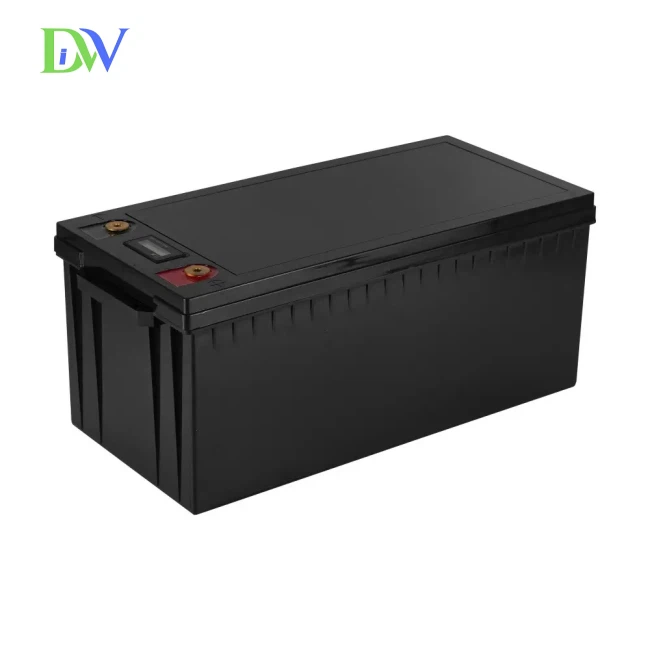
Lithium Ferro Phosphate Battery
Lithium Ferro Phosphate (LiFePO4) batteries are becoming increasingly popular in the marine industry. They offer several advantages over traditional lead - acid batteries, including a longer lifespan, higher energy density, and better deep - discharge performance. They are also lighter in weight, which can be beneficial for boats where weight is a concern.

Solar PV Energy Storage System
A Solar PV Energy Storage System can be integrated with your boat's electrical system to provide a sustainable source of power. It captures solar energy during the day and stores it in a battery for use at night or when the engine is off. This can reduce your reliance on the boat's main battery and extend its lifespan.
Conclusion
While a car starter battery may seem like a cost - effective option for a marine environment, it is not the most suitable choice in the long run. The unique demands of the marine environment, such as corrosion, deep - discharge requirements, and high reserve capacity, make dedicated marine batteries or alternative power solutions a better investment.
If you're in the market for a battery for your marine application, I encourage you to reach out for more information. As a car starter battery supplier, I have extensive knowledge of different battery types and can help you find the best solution for your needs. Whether you're looking for a marine starting battery, a deep - cycle battery, or an alternative power source, I'm here to assist you in making an informed decision. Contact me to start the procurement discussion and find the perfect battery for your boat.
References
- "Battery Technology Handbook" by Thomas H. Epps III
- "Marine Electrical Systems: Design, Installation, and Troubleshooting" by Nigel Calder
- Industry research reports on battery performance in marine environments