

What regulations should be followed when using an RV lithium battery?
May 14, 2025
As a trusted supplier of RV lithium batteries, I understand the importance of adhering to strict regulations when using these powerful energy sources. RV lithium batteries offer numerous advantages over traditional lead-acid batteries, including higher energy density, longer lifespan, and faster charging capabilities. However, to ensure the safe and efficient operation of your RV lithium battery, it is crucial to follow specific regulations and guidelines. In this blog post, I will outline the key regulations that should be followed when using an RV lithium battery, providing you with the knowledge and confidence to make the most of your investment.
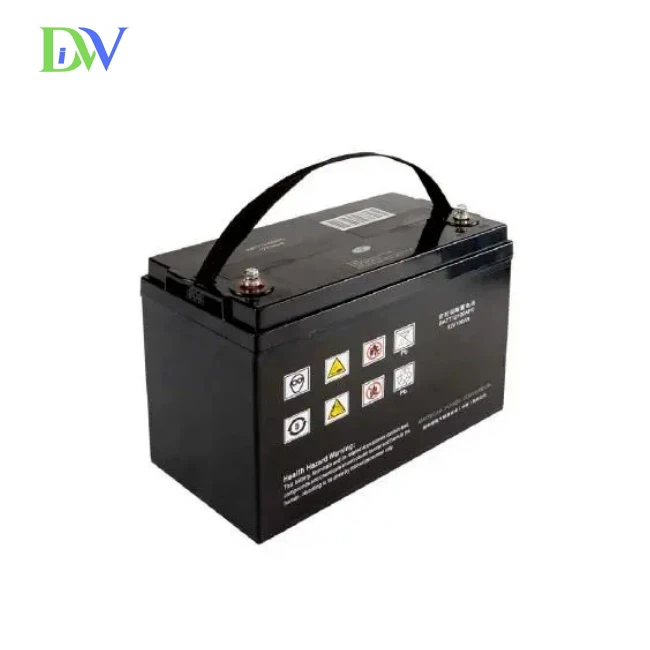
1. Installation Regulations
- Professional Installation: It is highly recommended to have your RV lithium battery installed by a qualified professional. A professional installer has the expertise and experience to ensure that the battery is installed correctly, minimizing the risk of electrical hazards and ensuring optimal performance.
- Proper Ventilation: RV lithium batteries generate heat during charging and discharging. To prevent overheating, it is essential to install the battery in a well-ventilated area. Avoid installing the battery in enclosed spaces or areas with limited airflow.
- Secure Mounting: The battery should be securely mounted to prevent movement during transit. Use appropriate mounting brackets and hardware to ensure that the battery is firmly attached to the RV.
2. Charging Regulations
- Use a Compatible Charger: Always use a charger specifically designed for RV lithium batteries. Using an incompatible charger can damage the battery and void the warranty. Make sure the charger has the correct voltage and amperage ratings for your battery.
- Follow Charging Instructions: Read and follow the charging instructions provided by the battery manufacturer. Overcharging or undercharging the battery can reduce its lifespan and performance. Most RV lithium batteries require a multi-stage charging process to ensure proper charging.
- Avoid Fast Charging: While some RV lithium batteries support fast charging, it is generally recommended to avoid fast charging whenever possible. Fast charging can generate excessive heat, which can damage the battery and reduce its lifespan.
3. Discharging Regulations
- Avoid Deep Discharging: RV lithium batteries should not be discharged below a certain level, typically around 20% to 30% of their capacity. Deep discharging can cause irreversible damage to the battery and reduce its lifespan. Use a battery monitor to keep track of the battery's state of charge.
- Limit High-Drain Applications: High-drain applications, such as running multiple appliances simultaneously or using high-power devices, can put a strain on the battery and cause it to discharge quickly. Limit the use of high-drain applications to avoid overloading the battery.
4. Storage Regulations
- Store in a Cool, Dry Place: When not in use, store the RV lithium battery in a cool, dry place. Avoid storing the battery in extreme temperatures or humid environments, as this can damage the battery and reduce its lifespan.
- Charge the Battery Periodically: If the battery is going to be stored for an extended period, it is recommended to charge it to around 50% to 70% of its capacity and then store it. Periodically check the battery's state of charge and recharge it as needed to prevent self-discharge.
5. Safety Regulations
- Wear Protective Gear: When handling the RV lithium battery, wear appropriate protective gear, such as gloves and safety glasses. Lithium batteries can be dangerous if mishandled, and protective gear can help prevent injuries.
- Keep the Battery Away from Flammable Materials: Lithium batteries can generate heat and sparks, so it is important to keep them away from flammable materials. Do not store the battery near gasoline, propane, or other combustible substances.
- Follow Local Regulations: In addition to the regulations outlined above, it is important to follow all local regulations regarding the use and storage of RV lithium batteries. Some areas may have specific requirements or restrictions, so make sure to check with your local authorities before using or storing a lithium battery.
6. Maintenance Regulations
- Regular Inspections: Regularly inspect the RV lithium battery for signs of damage or wear. Check the battery terminals for corrosion, loose connections, or other signs of damage. If you notice any issues, contact a qualified professional for assistance.
- Clean the Battery: Keep the battery clean and free of dirt, debris, and corrosion. Use a soft cloth and a mild cleaning solution to clean the battery terminals and casing. Avoid using abrasive materials or harsh chemicals, as this can damage the battery.
- Replace the Battery as Needed: RV lithium batteries have a limited lifespan, typically around 5 to 10 years. As the battery ages, its performance and capacity may decline. If you notice a significant decrease in the battery's performance or capacity, it may be time to replace the battery.
7. Additional Considerations
- Microgrid Energy Storage System: For those looking to expand their energy storage capabilities, consider a Microgrid Energy Storage System. These systems can help you store excess energy generated by your RV's solar panels or other renewable energy sources, providing you with a reliable source of power even when the sun isn't shining.
- Emergency Backup Power: An Emergency Backup Power system can provide you with peace of mind in case of a power outage. These systems can automatically switch on when the main power supply fails, ensuring that your essential appliances and devices continue to operate.
- Wall Mounted Lithium Battery: If you're short on space in your RV, a Wall Mounted Lithium Battery may be a great option. These batteries can be easily mounted on the wall, saving you valuable floor space.
In conclusion, following these regulations is essential for the safe and efficient use of an RV lithium battery. By adhering to these guidelines, you can ensure that your battery performs at its best and lasts for many years to come. If you have any questions or need further information about RV lithium batteries, please do not hesitate to contact us. We are here to help you make the most of your RV lithium battery and provide you with the best possible customer service. Whether you're a seasoned RV enthusiast or just starting out, we have the expertise and products to meet your needs. Contact us today to discuss your requirements and explore our range of high-quality RV lithium batteries.

References
- Battery University. (n.d.). Lithium-ion Batteries. Retrieved from https://batteryuniversity.com/learn/article/lithium_ion_batteries
- RV Lithium Battery Manufacturer's Manuals. (n.d.). Various manufacturers' manuals for specific RV lithium battery models.