

What is the state - of - health of a scooter lithium battery?
Nov 14, 2025
What is the State-of-Health of a Scooter Lithium Battery?
As a supplier of scooter lithium batteries, I've witnessed firsthand the growing importance of understanding the state-of-health (SOH) of these essential power sources. In this blog post, I'll delve into what SOH means for scooter lithium batteries, why it matters, and how you can monitor and maintain it.
Understanding State-of-Health (SOH)
The state-of-health of a battery is a measure of its overall condition compared to when it was new. It's expressed as a percentage, with 100% representing a brand-new battery and 0% indicating a completely degraded battery. SOH takes into account various factors that affect a battery's performance over time, including capacity loss, internal resistance increase, and the ability to hold a charge.
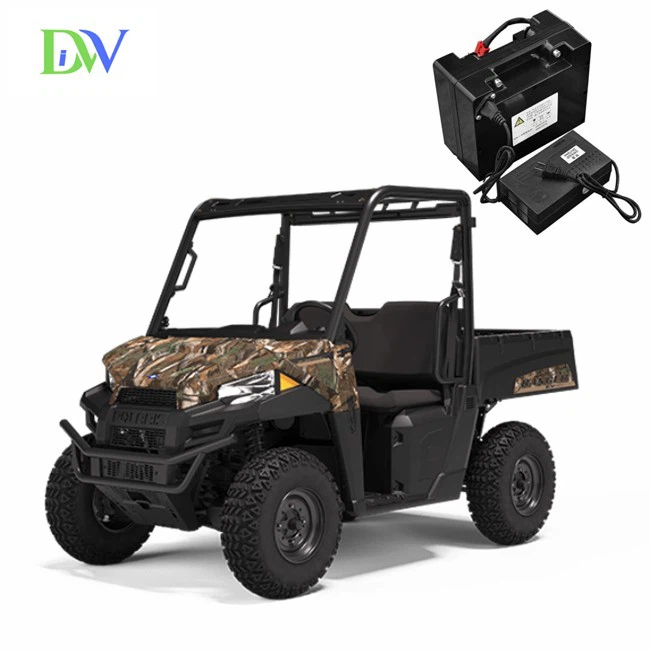

For scooter lithium batteries, SOH is a critical metric because it directly impacts the scooter's range, power output, and overall reliability. A battery with a low SOH may not be able to provide enough energy to power the scooter for its intended distance, or it may experience sudden drops in voltage during use, leading to a loss of power.
Factors Affecting the SOH of Scooter Lithium Batteries
Several factors can influence the state-of-health of a scooter lithium battery. Understanding these factors can help you take steps to extend the battery's lifespan and maintain its performance.
- Charge and Discharge Cycles: Every time a battery is charged and discharged, it undergoes a chemical reaction that causes some degree of wear and tear. Over time, these cycles can lead to a decrease in the battery's capacity. Lithium batteries generally have a limited number of charge and discharge cycles, typically ranging from 500 to 2000 cycles, depending on the battery chemistry and quality.
- Temperature: Extreme temperatures can have a significant impact on the SOH of a lithium battery. High temperatures can accelerate the chemical reactions inside the battery, leading to faster degradation. On the other hand, low temperatures can reduce the battery's performance and capacity. It's important to store and use scooter lithium batteries in a temperature-controlled environment to minimize the effects of temperature on the battery's health.
- Overcharging and Overdischarging: Overcharging a lithium battery can cause the battery to overheat and may lead to a decrease in its capacity or even a safety hazard. Similarly, overdischarging a battery can also damage the battery and reduce its SOH. Most modern scooter lithium batteries are equipped with a battery management system (BMS) that helps prevent overcharging and overdischarging, but it's still important to follow the manufacturer's charging instructions.
- Age: Like all batteries, lithium batteries degrade over time, even if they are not in use. The rate of degradation depends on various factors, such as the battery chemistry, storage conditions, and usage patterns. As a battery ages, its SOH will naturally decrease, and it may eventually need to be replaced.
Monitoring the SOH of Scooter Lithium Batteries
Monitoring the SOH of a scooter lithium battery is essential for ensuring its optimal performance and longevity. There are several ways to monitor the SOH of a battery, including:
- Battery Management System (BMS): Many modern scooter lithium batteries are equipped with a BMS that provides information about the battery's state-of-charge (SOC), SOH, and other important parameters. The BMS can also help protect the battery from overcharging, overdischarging, and overheating.
- Voltage and Capacity Testing: You can also monitor the SOH of a battery by measuring its voltage and capacity. A fully charged lithium battery typically has a voltage of around 3.7 to 4.2 volts per cell. As the battery discharges, its voltage will decrease. By comparing the battery's voltage and capacity to its specifications, you can get an idea of its SOH.
- Professional Testing: If you're unsure about the SOH of your scooter lithium battery, you can have it tested by a professional battery testing service. These services can provide a more accurate assessment of the battery's condition and recommend any necessary maintenance or replacement.
Maintaining the SOH of Scooter Lithium Batteries
Taking steps to maintain the SOH of your scooter lithium battery can help extend its lifespan and ensure its optimal performance. Here are some tips for maintaining the SOH of a scooter lithium battery:
- Charge the Battery Properly: Follow the manufacturer's charging instructions and use a charger that is specifically designed for your scooter lithium battery. Avoid overcharging or overdischarging the battery, and try to keep the battery's SOC between 20% and 80% whenever possible.
- Store the Battery Correctly: If you're not going to use your scooter for an extended period of time, it's important to store the battery correctly. Store the battery in a cool, dry place and keep it at a partial charge (around 50%). Avoid storing the battery in extreme temperatures or in a fully charged or discharged state.
- Avoid Extreme Temperatures: As mentioned earlier, extreme temperatures can have a significant impact on the SOH of a lithium battery. Try to avoid using or storing your scooter in extreme temperatures, and if you need to use the scooter in hot or cold weather, take extra precautions to protect the battery.
- Perform Regular Maintenance: Regular maintenance, such as cleaning the battery terminals and checking the battery's connections, can help ensure the battery's optimal performance. If you notice any signs of damage or wear on the battery, such as swelling or leakage, it's important to have the battery inspected by a professional.
Our Scooter Lithium Battery Products
At our company, we offer a wide range of high-quality scooter lithium batteries that are designed to provide reliable performance and long-lasting durability. Our batteries are available in various capacities and voltages to meet the needs of different scooter models and applications.
One of our popular products is the 36v 10ah Lifepo4 Battery. This battery is made with high-quality LiFePO4 cells, which offer several advantages over traditional lithium-ion batteries, including better safety, longer lifespan, and higher energy density. The 36v 10ah Lifepo4 Battery is suitable for a variety of scooter models and can provide a range of up to 30 miles on a single charge.
In addition to scooter batteries, we also offer Floor Scrubber Lithium Battery and Agricultural Vehicle Lithium Battery for other applications. Our floor scrubber batteries are designed to provide reliable power for commercial floor scrubbers, while our agricultural vehicle batteries are suitable for use in tractors, harvesters, and other agricultural equipment.
Contact Us for Purchasing and Consultation
If you're interested in purchasing our scooter lithium batteries or have any questions about battery state-of-health, performance, or maintenance, please don't hesitate to contact us. Our team of experts is always ready to assist you and provide you with the information and support you need.
We believe in providing our customers with the highest quality products and services, and we're committed to helping you get the most out of your scooter lithium batteries. Whether you're a scooter manufacturer, a distributor, or an end-user, we can work with you to find the right battery solution for your needs.
References
- Linden, D., & Reddy, T. B. (2002). Handbook of Batteries. McGraw-Hill.
- Tarascon, J.-M., & Armand, M. (2001). Issues and challenges facing rechargeable lithium batteries. Nature, 414(6861), 359-367.
- Chen, Z., & Evans, D. J. (2012). Lithium-ion batteries. Wiley-VCH.