

What is the state - of - charge indication of a home backup battery?
Jul 28, 2025
Hey there! As a supplier of home backup batteries, I often get asked about the state-of-charge (SOC) indication of these batteries. It's a crucial aspect that every homeowner should understand, especially when relying on a backup power source. So, let's dive right in and explore what the state-of-charge indication of a home backup battery is all about.
What Exactly is State-of-Charge?
The state-of-charge of a home backup battery is basically a measure of how much energy is currently stored in the battery compared to its maximum capacity. It's similar to the fuel gauge in your car. Just like you need to know how much gas is left in your tank to plan your journey, you need to know the SOC of your home backup battery to manage your power usage effectively.
Think of it this way: if your battery has a maximum capacity of 10 kilowatt-hours (kWh) and it currently has 5 kWh of energy stored, its SOC is 50%. This percentage gives you an idea of how long the battery can power your home in case of a power outage or when you're relying on stored energy.
Why is SOC Indication Important?
Knowing the SOC of your home backup battery is super important for several reasons. First of all, it helps you plan your energy usage. For example, if you know that your battery is only at 20% SOC, you might want to conserve energy by turning off non-essential appliances or devices. This way, you can make sure that you have enough power for the most important things, like keeping your fridge running or charging your phone.
Secondly, SOC indication can help you detect any potential issues with your battery. If you notice that the SOC is dropping much faster than usual or if it's not charging properly, it could be a sign of a problem. By keeping an eye on the SOC, you can catch these issues early and get them fixed before they become major problems.
Finally, understanding the SOC can also help you make informed decisions about when to charge your battery. Some home backup batteries are designed to charge during off-peak hours when electricity rates are lower. By knowing the SOC, you can determine the best time to charge your battery and save money on your energy bills.
How is SOC Indicated?
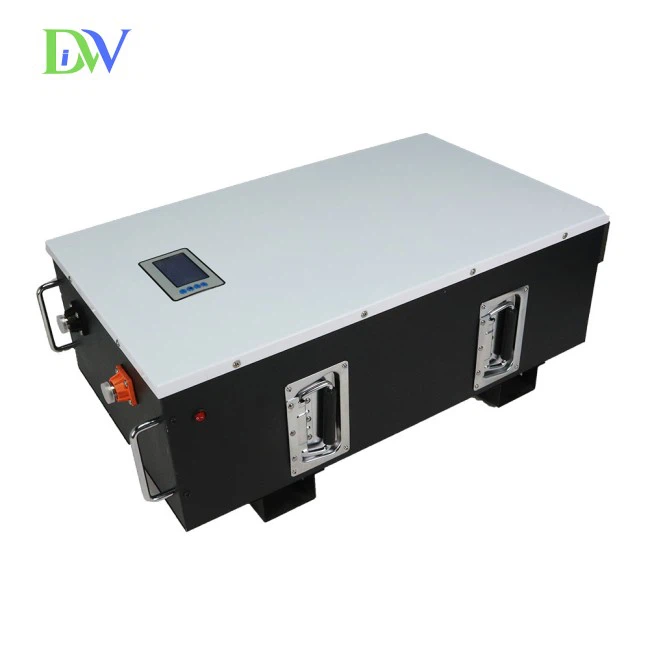
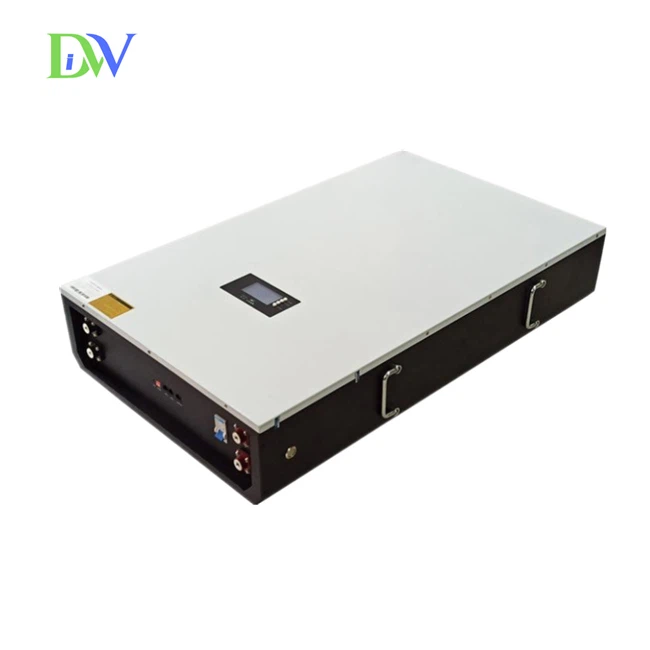
There are several ways that the state-of-charge of a home backup battery can be indicated. One of the most common methods is through a digital display on the battery itself or on a connected monitoring system. This display usually shows the SOC as a percentage, making it easy for you to understand at a glance.
Some home backup batteries also come with mobile apps that allow you to monitor the SOC remotely. This is especially useful if you're away from home and want to keep track of your battery's status. With the app, you can check the SOC, receive alerts if the battery is running low, and even control the charging and discharging of the battery.
In addition to digital displays and mobile apps, some batteries may also use LED lights to indicate the SOC. For example, a green light might indicate that the battery is fully charged, while a red light could mean that the battery is low. These visual indicators can be a quick and easy way to get a general idea of the battery's SOC.
Factors Affecting SOC Accuracy
While SOC indication is a useful tool, it's important to note that the accuracy of the indication can be affected by several factors. One of the main factors is the age and condition of the battery. As a battery gets older, its capacity may decrease, which can affect the accuracy of the SOC indication. Additionally, if the battery is damaged or not functioning properly, the SOC indication may also be inaccurate.
Another factor that can affect SOC accuracy is the temperature. Batteries tend to perform better at certain temperatures, and extreme temperatures can cause the SOC indication to be off. For example, if the battery is exposed to very high temperatures, it may appear to have a higher SOC than it actually does.
Finally, the way the battery is charged and discharged can also affect the accuracy of the SOC indication. If the battery is charged or discharged too quickly, it can cause the SOC indication to be inaccurate. It's important to follow the manufacturer's recommendations for charging and discharging the battery to ensure the most accurate SOC indication.
Our Home Backup Battery Solutions
At our company, we offer a range of high-quality home backup batteries that come with accurate SOC indication. Our Home Battery Storage System is designed to provide reliable backup power for your home, and it features a user-friendly digital display that shows the SOC at a glance.
If you're looking for a battery that's specifically designed for use with solar panels, our Home Solar Backup Battery is a great option. It can store the energy generated by your solar panels during the day and provide power for your home at night or during a power outage. The battery also comes with a mobile app that allows you to monitor the SOC and control the charging and discharging of the battery.
For those who want a sleek and modern home backup battery, our Powerwall Home Battery is the perfect choice. It has a compact design and can be easily installed in your home. The Powerwall also features advanced technology that ensures accurate SOC indication and reliable performance.
Conclusion
In conclusion, the state-of-charge indication of a home backup battery is a crucial aspect that every homeowner should understand. It helps you plan your energy usage, detect potential issues with the battery, and make informed decisions about when to charge the battery. By choosing a high-quality home backup battery with accurate SOC indication, you can ensure that you have reliable backup power for your home.
If you're interested in learning more about our home backup battery solutions or if you have any questions about state-of-charge indication, please don't hesitate to contact us. We'd be happy to help you find the right battery for your needs and answer any questions you may have. Let's work together to keep your home powered up and protected!
References
- Battery University. (n.d.). State-of-Charge (SOC). Retrieved from [URL]
- Energy.gov. (n.d.). Home Energy Storage. Retrieved from [URL]
- SolarReviews. (n.d.). How to Read Your Battery's State of Charge. Retrieved from [URL]