

What is the self - discharge rate of elevator backup power batteries?
Nov 19, 2025
Hey there! As a supplier of elevator backup power, I often get asked about the self - discharge rate of elevator backup power batteries. So, let's dive right into it and break down what this self - discharge rate is all about.
First off, what exactly is the self - discharge rate? Simply put, the self - discharge rate of a battery is the rate at which a battery loses its charge when it's not in use. Think of it like a leaky bucket. Even when you're not taking water out of the bucket, water is still slowly dripping out. Similarly, a battery will gradually lose its charge over time, even if it's just sitting there doing nothing.
Now, why is this important for elevator backup power batteries? Well, elevators are crucial safety equipment in buildings. In case of a power outage, the backup power battery needs to kick in and provide enough energy to safely bring the elevator to the nearest floor and open the doors. If the battery has a high self - discharge rate, it might not have enough charge when an actual power outage occurs. That's a big no - no when it comes to elevator safety.
There are different types of batteries commonly used for elevator backup power, and each has its own self - discharge rate characteristics.
Lead - Acid Batteries
Lead - acid batteries have been around for a long time and are a traditional choice for elevator backup power. They're relatively inexpensive and can deliver high currents. However, they also have a relatively high self - discharge rate. On average, a lead - acid battery can self - discharge at a rate of about 3 - 20% per month. This means that if you fully charge a lead - acid battery and then leave it alone for a month, it could lose anywhere from 3% to 20% of its charge.
The self - discharge rate of lead - acid batteries can be affected by several factors. Temperature is a big one. Higher temperatures can increase the self - discharge rate. If the battery is stored in a hot environment, say in a poorly ventilated machine room, the self - discharge will happen faster. Also, the age and state of health of the battery play a role. As a lead - acid battery gets older, its self - discharge rate tends to increase.
Lithium - Ion Batteries
Lithium - ion batteries are becoming more and more popular for elevator backup power. They offer several advantages over lead - acid batteries, including a lower self - discharge rate. There are different types of lithium - ion batteries, but one of the most common ones used for this application is the Lithium Ferro Phosphate Battery.
Lithium ferro phosphate batteries typically have a self - discharge rate of about 1 - 3% per month. That's significantly lower than lead - acid batteries. This means that they can hold their charge for much longer periods. For elevator backup power, this is a huge benefit. You don't have to worry as much about the battery losing its charge over time and being unable to perform when needed.
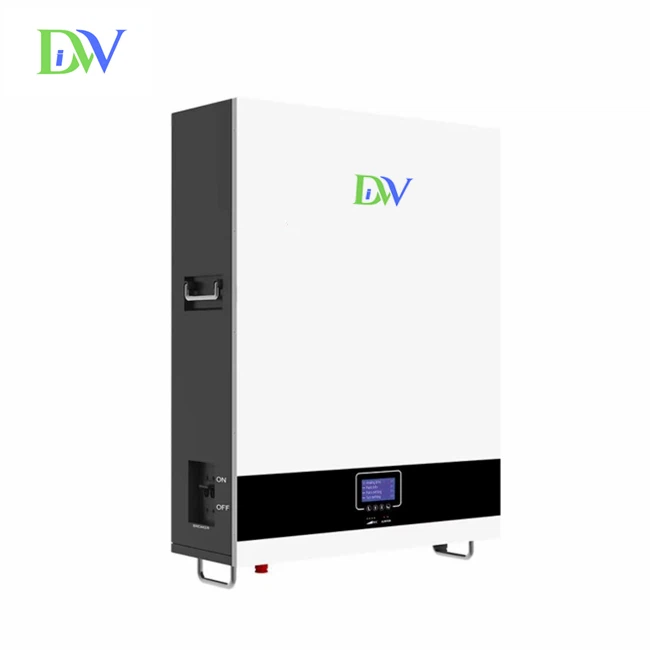

Another type of lithium - ion battery that can be used is the Wall Mounted Lithium Battery. These are convenient for installation in elevator systems, especially in buildings where space is limited. They also have a relatively low self - discharge rate, similar to lithium ferro phosphate batteries.
The Powerwall Lithium Battery is also an option. It's designed to store energy efficiently and has a good self - discharge performance. With a low self - discharge rate, it can maintain its charge for extended periods, ensuring that the elevator backup power is reliable.
Factors Affecting Self - Discharge Rate
Apart from the type of battery, there are other factors that can affect the self - discharge rate of elevator backup power batteries.
Temperature: As I mentioned earlier, temperature has a significant impact. Batteries operate best within a certain temperature range. For most lithium - ion batteries, the ideal temperature range is between 20 - 25°C (68 - 77°F). When the temperature goes above or below this range, the self - discharge rate can increase. For lead - acid batteries, high temperatures can cause the electrolyte to evaporate faster and increase the chemical reactions that lead to self - discharge.
State of Charge: The state of charge of the battery also matters. A battery that is fully charged may have a different self - discharge rate compared to one that is partially charged. In general, a fully charged battery may have a slightly higher self - discharge rate, especially for lead - acid batteries.
Battery Quality: The quality of the battery itself plays a role. Higher - quality batteries are often designed with better materials and manufacturing processes, which can result in a lower self - discharge rate. Cheaper batteries may have more impurities or less precise construction, leading to a higher self - discharge.
Monitoring and Maintenance
Given the importance of the self - discharge rate for elevator backup power batteries, it's crucial to monitor and maintain the batteries properly.
Regularly checking the state of charge of the batteries is essential. You can use battery monitoring systems to keep track of the charge level. If the self - discharge rate seems abnormally high, it could be a sign of a problem with the battery, such as a short - circuit or a failing cell.
Maintenance also includes keeping the batteries in the right environment. Make sure the temperature in the battery storage area is within the recommended range. For lead - acid batteries, checking the electrolyte level and topping it up if necessary is important.
Conclusion
In conclusion, the self - discharge rate of elevator backup power batteries is a critical factor that affects the reliability of elevator systems. Lead - acid batteries, while inexpensive, have a relatively high self - discharge rate, which requires more frequent monitoring and maintenance. On the other hand, lithium - ion batteries, such as lithium ferro phosphate, wall - mounted lithium, and powerwall lithium batteries, offer a lower self - discharge rate, providing more reliable backup power.
If you're in the market for elevator backup power batteries, it's important to consider the self - discharge rate along with other factors like cost, lifespan, and safety. At our company, we offer a range of high - quality elevator backup power solutions. Whether you need a reliable lead - acid battery or a more advanced lithium - ion battery, we've got you covered.
If you're interested in learning more about our products or have any questions regarding elevator backup power batteries, feel free to reach out. We're here to help you make the best choice for your elevator system and ensure the safety and reliability of your building's vertical transportation.
References
- Battery University: A comprehensive resource on battery technology and performance.
- Industry reports on elevator backup power systems.
- Manufacturer specifications for lead - acid and lithium - ion batteries.