

What is the self - discharge rate of a portable storage battery?
Sep 12, 2025
Hey there! As a supplier of portable storage batteries, I often get asked about the self - discharge rate of these batteries. It's a crucial factor that can affect how well your battery performs over time, so I'm gonna break it down for you.
First off, what exactly is the self - discharge rate? Simply put, it's the rate at which a battery loses its charge when it's not in use. Even when you're not actively using a portable storage battery, it's still slowly losing power. This happens due to internal chemical reactions within the battery. These reactions are a natural part of the battery's chemistry and can't be completely stopped, but different battery types have different self - discharge rates.
Let's talk about some common types of portable storage batteries and their self - discharge rates. One of the most popular types is the lithium - ion battery. Lithium - ion batteries are widely used in all sorts of portable devices, from smartphones to power tools. They're known for their high energy density and relatively low self - discharge rate. On average, a lithium - ion battery has a self - discharge rate of about 1 - 2% per month. That means if you fully charge a lithium - ion battery and then leave it sitting on the shelf, after a month, it'll still have around 98 - 99% of its charge. This low self - discharge rate makes lithium - ion batteries a great choice for long - term storage and intermittent use. You can check out our Powerwall Lithium Battery for a high - quality lithium - ion option.
Another type of battery is the lead - acid battery. These are often used in applications like Truck Starter Battery and some larger portable power stations. Lead - acid batteries have a higher self - discharge rate compared to lithium - ion batteries. Typically, a lead - acid battery can self - discharge at a rate of about 5 - 10% per month. This higher rate is due to the different chemical composition and construction of lead - acid batteries. If you're not using a lead - acid battery regularly, you'll need to recharge it more frequently to keep it in good condition.
Nickel - based batteries, such as nickel - cadmium (NiCd) and nickel - metal hydride (NiMH), also have their own self - discharge characteristics. NiCd batteries have a relatively high self - discharge rate, around 15 - 20% per month. NiMH batteries, on the other hand, have improved in this regard and usually have a self - discharge rate of about 3 - 5% per month when new. However, over time, the self - discharge rate of NiMH batteries can increase.
So, why does the self - discharge rate matter? Well, if you're using a portable storage battery for emergency situations, like in an Emergency Light Battery Pack, you want to make sure it'll have enough charge when you need it. A battery with a high self - discharge rate might not be fully charged when an emergency strikes, leaving you in the dark. Similarly, if you're using a battery for a device that you only use occasionally, like a remote - controlled toy, a low self - discharge rate means you won't have to recharge the battery as often.
There are also some factors that can affect the self - discharge rate of a battery. Temperature is a big one. Higher temperatures generally increase the self - discharge rate. So, if you store your batteries in a hot place, they'll lose their charge faster. For example, if you leave a lithium - ion battery in a car on a hot summer day, its self - discharge rate might be higher than normal. Humidity can also play a role. High humidity can cause corrosion on the battery terminals, which can lead to increased self - discharge.
As a supplier, we take these factors into account when manufacturing and testing our portable storage batteries. We use high - quality materials and advanced manufacturing processes to minimize the self - discharge rate and ensure that our batteries perform well over time. We also provide detailed instructions on how to store and maintain the batteries to keep their self - discharge rates as low as possible.
If you're in the market for a portable storage battery, it's important to consider the self - discharge rate along with other factors like capacity, voltage, and cost. A battery with a low self - discharge rate might cost a bit more upfront, but it can save you money in the long run by reducing the need for frequent recharging and replacement.

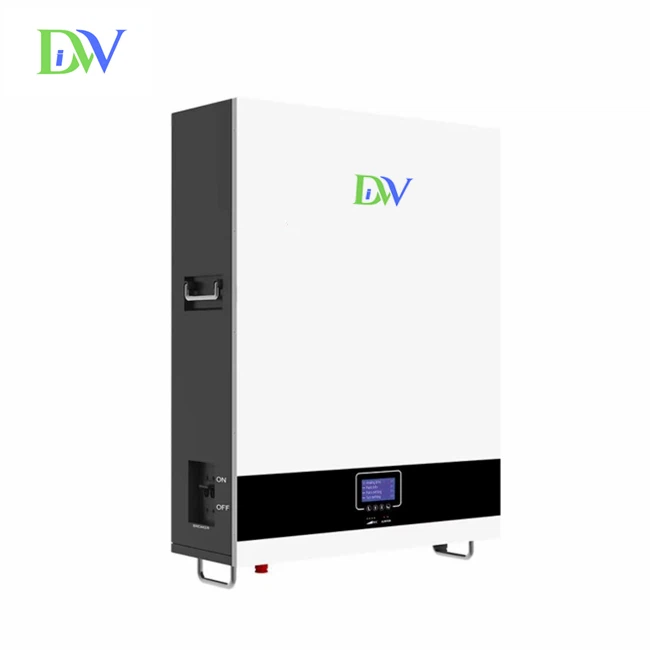
We offer a wide range of portable storage batteries to suit different needs and budgets. Whether you need a battery for a small portable device or a large - scale power storage solution, we've got you covered. Our team of experts is always ready to help you choose the right battery for your specific application.
If you're interested in learning more about our products or have any questions about the self - discharge rate or other battery - related topics, feel free to reach out. We're here to make sure you get the best battery for your needs. Contact us today to start the conversation about your battery requirements and let's find the perfect solution together.
References:
- Battery University: A great resource for in - depth information on battery technology and performance.
- Industry research reports on portable storage batteries.