

What is the self - discharge rate of a drone lithium battery?
Jan 13, 2026
Hey there, fellow drone enthusiasts! As a supplier of Drone Lithium Batteries, I often get asked about the self - discharge rate of these batteries. It's a crucial aspect that can significantly impact the performance and usability of your drones. So, let's dive into what the self - discharge rate is and why it matters.
Understanding Self - Discharge Rate
First off, what exactly is the self - discharge rate? Well, every battery, including the lithium ones we use in drones, has a natural tendency to lose its charge over time, even when it's not being used. This is called self - discharge. The self - discharge rate is basically the speed at which this loss of charge occurs. It's usually expressed as a percentage of the battery's capacity that is lost per unit of time, most commonly per month.
For drone lithium batteries, the self - discharge rate can vary depending on several factors. One of the main factors is the type of lithium chemistry used. There are different types of lithium batteries, such as Li - ion (Lithium - Ion), Li - Po (Lithium - Polymer), etc. Each type has its own characteristic self - discharge rate. Generally, Li - ion batteries have a relatively low self - discharge rate compared to some other battery chemistries. They can typically self - discharge at a rate of around 1 - 2% per month when stored at room temperature.
Li - Po batteries, which are quite popular in drones because of their high energy density and flexibility in shape, also have a relatively low self - discharge rate, usually in the range of 3 - 5% per month. However, these numbers can change depending on how the battery is stored.
Factors Affecting the Self - Discharge Rate
Temperature
Temperature plays a huge role in the self - discharge rate of a drone lithium battery. When it's too hot, the chemical reactions inside the battery speed up, which causes the battery to self - discharge faster. For example, if you leave your drone battery in a hot car on a sunny day, the self - discharge rate can increase significantly. On the other hand, extremely cold temperatures can also have a negative impact. Although the self - discharge rate may be lower in the cold, it can affect the battery's performance when you try to use it, as the chemical reactions slow down and the battery may not be able to deliver its full power.
State of Charge
The state of charge (SOC) of the battery when it's stored also affects the self - discharge rate. Batteries that are stored at a high state of charge tend to self - discharge faster than those stored at a lower state of charge. That's why it's often recommended to store your drone lithium batteries at around 40 - 60% of their capacity if you're not going to use them for a long time. This helps to reduce the self - discharge rate and also prolongs the overall lifespan of the battery.
Battery Age and Quality
As a battery gets older, its internal components start to degrade, and this can lead to an increase in the self - discharge rate. Also, the quality of the battery matters a lot. High - quality batteries from reputable manufacturers are generally designed to have lower self - discharge rates. These manufacturers use better materials and manufacturing processes, which result in a more stable and reliable battery with less self - discharge.
Why the Self - Discharge Rate Matters for Drones
For drone users, the self - discharge rate is a big deal. Imagine you charge your drone battery fully, but then you don't use the drone for a couple of weeks. By the time you're ready to fly again, if the battery has a high self - discharge rate, it might not have enough charge left to complete a proper flight. This can be frustrating, especially if you're in a remote location and don't have a charger handy.
Moreover, a high self - discharge rate can also reduce the overall lifespan of the battery. If the battery is constantly losing its charge and having to be recharged, it puts more stress on the internal components, which can lead to premature failure. This means you'll have to replace your drone battery more often, which can get expensive.
How to Deal with Self - Discharge
As a Drone Lithium Battery supplier, I can offer some tips on how to deal with self - discharge. First, always store your batteries at the right temperature. Try to keep them in a cool, dry place, away from direct sunlight and heat sources. If it's really cold outside, you can bring the batteries indoors to keep them at a more stable temperature.
Second, make sure to store your batteries at the appropriate state of charge. If you're not going to use the drone for a long time, discharge the battery to around 40 - 60% of its capacity before storage. And when you're ready to use it again, charge it fully.
Regularly checking your battery's charge level can also help. You can use a battery charger with a built - in battery monitor or a separate battery tester to check the state of charge. This way, you can catch any issues early and take appropriate action.
Similar Products in Our Battery Range
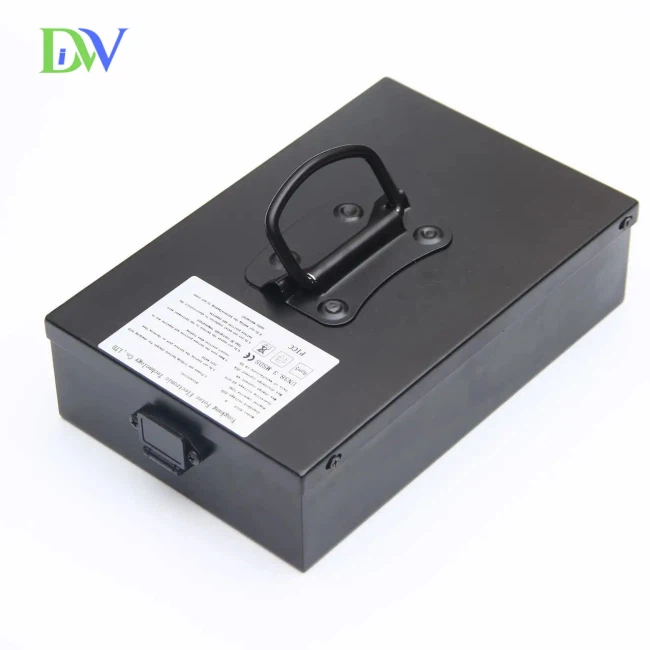
We also supply other types of lithium batteries for different applications. If you're interested in other battery options, check out our Low Speed Electric Vehicle Battery, Electric Scooters Battery, and Golf Cart Lithium Battery. These batteries also have their own unique self - discharge characteristics and are designed to meet the specific needs of their respective applications.

Contact Us for Procurement
If you're in the market for high - quality drone lithium batteries or any of our other battery products, we'd love to talk to you. We offer a wide range of batteries with different capacities, voltages, and self - discharge rates to suit your specific needs. Whether you're a hobbyist drone flyer or a professional in the industry, we've got the right battery for you. Don't hesitate to contact us for more information and to start a procurement discussion.
References
- Linden, D., & Reddy, T. B. (2002). Handbook of Batteries. McGraw - Hill.
- Chan, C. C. (2010). The State of the Art of Electric, Hybrid, and Fuel Cell Vehicles. Proceedings of the IEEE, 98(4), 692 - 713.