

What is the power output of a home backup battery?
Jun 19, 2025
What is the Power Output of a Home Backup Battery?
As a supplier of home backup batteries, I often get asked about the power output of these essential devices. Understanding the power output of a home backup battery is crucial for homeowners looking to ensure a reliable and continuous power supply during outages or as part of an off - grid living setup. In this blog post, I'll delve into what power output means, how it's measured, and what factors influence it.
Understanding Power Output
Power output is essentially the rate at which a battery can deliver electrical energy. It is measured in watts (W) or kilowatts (kW), where 1 kilowatt is equal to 1000 watts. For example, a device that consumes 1000 watts of power is said to have a power requirement of 1 kW. When it comes to home backup batteries, the power output indicates how many electrical appliances and devices the battery can support simultaneously.
Let's say you have a home backup battery with a power output of 5 kW. This means that the battery can supply up to 5000 watts of power at any given time. You can use this power to run multiple appliances, such as lights, refrigerators, and even some small heating or cooling systems, as long as the total power consumption of these devices does not exceed 5000 watts.
Measuring Power Output
The power output of a home backup battery is typically specified by the manufacturer. This specification can be found in the product documentation or on the battery's label. There are two main ways to measure power output: continuous power output and peak power output.
Continuous power output refers to the amount of power the battery can supply steadily over an extended period. This is the most important metric when considering which appliances you can run for a long time. For instance, if you want to keep your refrigerator running throughout a power outage, you need to ensure that the continuous power output of your backup battery is sufficient to meet the refrigerator's power requirements.
Peak power output, on the other hand, is the maximum amount of power the battery can deliver for a short period, usually a few seconds to a few minutes. Some appliances, like air conditioners and washing machines, require a high surge of power when they start up. The peak power output of a home backup battery allows it to handle these initial power surges without tripping the circuit breaker or causing damage to the battery or the appliance.
Factors Influencing Power Output
Several factors can influence the power output of a home backup battery. These include the battery chemistry, the battery's state of charge, and the temperature.
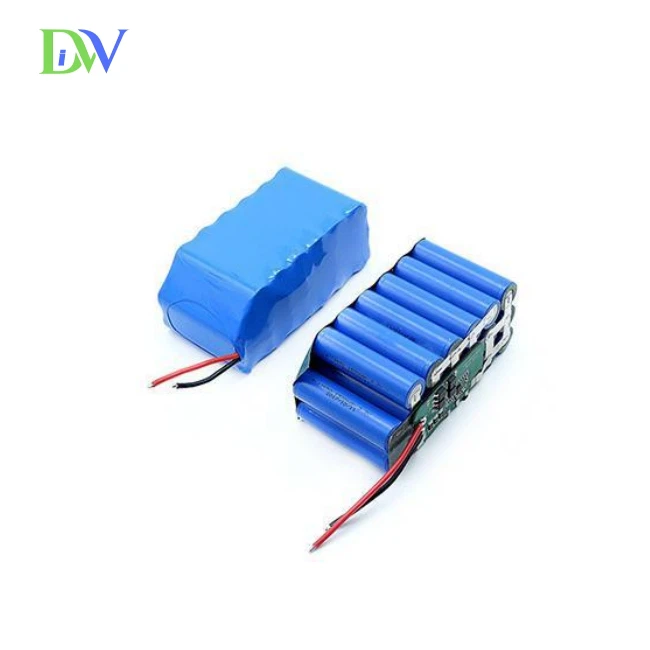
Battery Chemistry: Different battery chemistries have different power output capabilities. For example, lithium - ion batteries, such as the Smart Home Lithium Battery, are known for their high energy density and relatively high power output. They can deliver a large amount of power quickly, making them suitable for a wide range of applications, including home backup power. On the other hand, lead - acid batteries, while still widely used, generally have a lower power output compared to lithium - ion batteries.
State of Charge: The power output of a battery is also affected by its state of charge. As the battery discharges, its power output gradually decreases. A fully charged battery will be able to deliver its maximum power output, while a nearly depleted battery may not be able to supply enough power to run all your appliances. It's important to monitor the state of charge of your home backup battery and recharge it in a timely manner to ensure optimal performance.
Temperature: Temperature can have a significant impact on the power output of a battery. Extreme temperatures, both hot and cold, can reduce the battery's efficiency and power output. For example, in cold weather, the chemical reactions inside the battery slow down, which can lead to a decrease in power output. If you live in an area with cold winters, you may want to consider a Low Temperature Lithium Battery that is specifically designed to perform well in low - temperature environments.
Choosing the Right Power Output for Your Home
When choosing a home backup battery, it's important to consider your specific power needs. Start by making a list of the appliances and devices you want to run during a power outage. Determine the power consumption of each device, which can usually be found on the device's label or in the user manual. Then, add up the power consumption of all the devices you want to run simultaneously to get an estimate of your total power requirements.
It's also a good idea to leave some margin for error. You may want to choose a home backup battery with a power output that is slightly higher than your estimated power requirements to ensure that you have enough power to run all your essential appliances, even if there are unexpected power surges or if you need to add more devices in the future.
Our Home Backup Battery Offerings
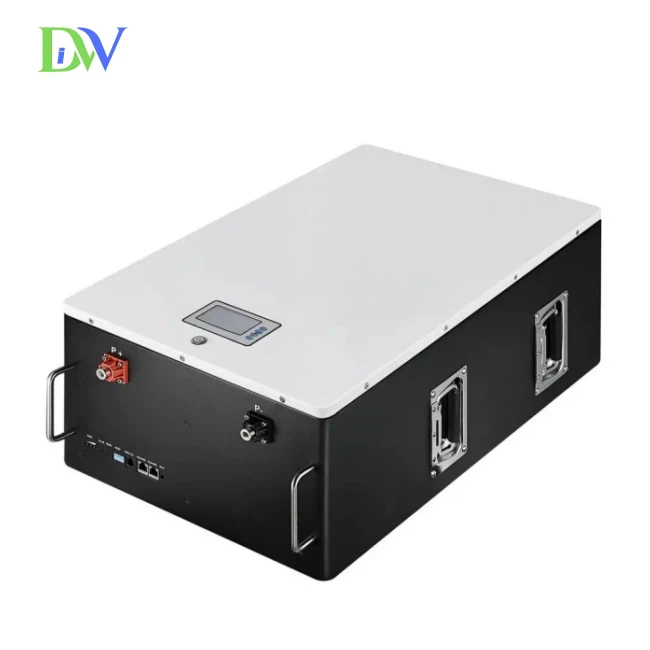
At our company, we offer a wide range of Home Energy Storage Battery solutions with different power outputs to meet the diverse needs of our customers. Whether you have a small apartment or a large family home, we have a backup battery that can provide the power you need.
Our lithium - ion batteries are designed to offer high power output, long service life, and reliable performance. They are equipped with advanced battery management systems that ensure safe and efficient operation. Additionally, our batteries are compatible with a variety of renewable energy sources, such as solar panels, allowing you to create a sustainable and self - sufficient home energy system.
Contact Us for More Information
If you're interested in learning more about the power output of our home backup batteries or if you need help choosing the right battery for your home, please don't hesitate to contact us. Our team of experts is always ready to assist you in making an informed decision. We can provide you with detailed product information, answer your questions, and even offer a customized solution based on your specific requirements.
Investing in a home backup battery is a smart way to ensure the comfort and safety of your family during power outages. With the right power output and a reliable battery, you can keep your essential appliances running and maintain a normal lifestyle, even when the grid goes down.
References
- Battery University. "Understanding Battery Power and Energy."
- Energy.gov. "Home Energy Storage: What You Need to Know."
- Manufacturer's product specifications for home backup batteries.