

What is the power conversion efficiency of a portable storage battery?
Sep 24, 2025
Power conversion efficiency is a crucial metric when evaluating portable storage batteries. As a reputable supplier of Portable Storage Batteries, I've witnessed firsthand the growing demand for these devices across various sectors, from consumer electronics to critical infrastructure. In this blog post, I'll delve into what power conversion efficiency is, why it matters, and how it impacts the performance of our batteries.
Understanding Power Conversion Efficiency
Power conversion efficiency refers to the ratio of the output power of a battery to the input power. In simpler terms, it measures how effectively a battery can convert stored energy into usable electrical power. This efficiency is typically expressed as a percentage, with higher percentages indicating less energy loss during the conversion process.
For instance, if a portable battery has an input power of 100 watts and an output power of 90 watts, its power conversion efficiency is 90%. The remaining 10 watts are lost as heat or through other inefficiencies within the battery system. These losses can occur due to various factors, including internal resistance, chemical reactions, and the design of the battery management system.
Why Power Conversion Efficiency Matters
The power conversion efficiency of a portable storage battery has significant implications for its performance, usability, and overall cost-effectiveness. Here are some key reasons why it matters:
Longer Battery Life
A battery with high power conversion efficiency can deliver more usable energy from the same amount of stored energy. This means that devices powered by such a battery can run for longer periods without needing a recharge. For example, a Portable Car Power Bank with high efficiency can provide more charge cycles to a vehicle's battery, extending its lifespan and reducing the need for frequent replacements.
Energy Savings
High-efficiency batteries waste less energy during the conversion process, resulting in lower energy consumption. This is not only beneficial for the environment but also for the user's wallet. For instance, a Powerwall Home Battery with high efficiency can store and discharge energy more effectively, reducing the homeowner's reliance on the grid and lowering electricity bills.

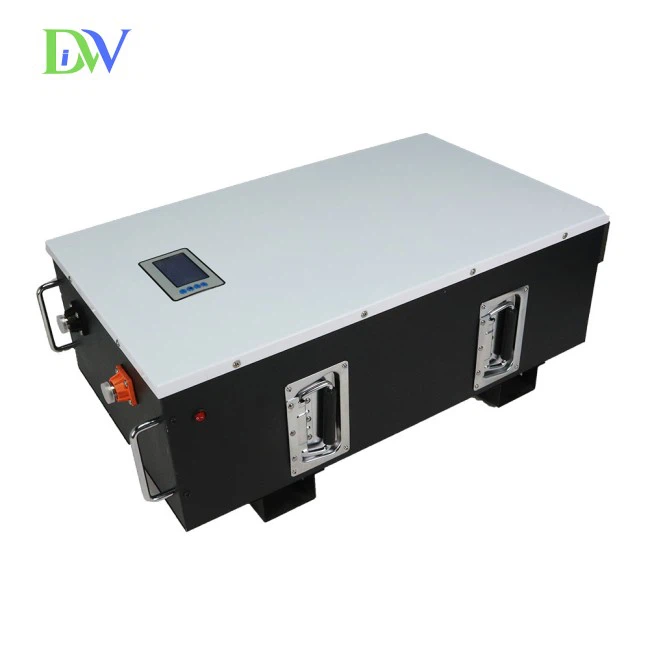
Faster Charging
Batteries with high power conversion efficiency can charge more quickly because they can accept and convert energy more efficiently. This is particularly important for portable devices that need to be charged on the go, such as smartphones and tablets. A high-efficiency battery can reduce charging times, allowing users to get back to using their devices faster.
Improved Performance
High-efficiency batteries can provide a more stable and consistent power output, which is essential for the proper functioning of sensitive electronic devices. For example, a Hospital Bed Battery Backup with high efficiency can ensure a reliable power supply to critical medical equipment, minimizing the risk of power outages and ensuring patient safety.
Factors Affecting Power Conversion Efficiency
Several factors can affect the power conversion efficiency of a portable storage battery. Understanding these factors can help us optimize the design and performance of our batteries. Here are some of the key factors:
Battery Chemistry
Different battery chemistries have different levels of power conversion efficiency. For example, lithium-ion batteries are known for their high energy density and relatively high efficiency, making them a popular choice for portable devices. On the other hand, lead-acid batteries are less efficient but are still widely used in applications where cost is a major consideration.
Battery Design
The design of the battery, including its internal structure, electrode materials, and electrolyte composition, can also affect its power conversion efficiency. A well-designed battery can minimize internal resistance and other sources of energy loss, resulting in higher efficiency.
Temperature
Temperature can have a significant impact on the power conversion efficiency of a battery. Extreme temperatures, both hot and cold, can reduce the efficiency of the battery by increasing internal resistance and slowing down chemical reactions. Therefore, it's important to operate batteries within their recommended temperature range to maintain optimal efficiency.
Charging and Discharging Rates
The rate at which a battery is charged and discharged can also affect its power conversion efficiency. Charging or discharging a battery too quickly can cause energy losses and reduce efficiency. Therefore, it's important to follow the manufacturer's recommended charging and discharging rates to ensure optimal performance.
Measuring Power Conversion Efficiency
Measuring the power conversion efficiency of a portable storage battery requires specialized equipment and techniques. Here's a general overview of the process:
Step 1: Measure the Input Power
The first step is to measure the input power to the battery. This can be done using a power meter or other measuring device. The input power is typically measured in watts (W).
Step 2: Measure the Output Power
Next, the output power of the battery is measured. This can be done by connecting the battery to a load, such as a resistor or a device, and measuring the power delivered to the load. The output power is also typically measured in watts (W).
Step 3: Calculate the Efficiency
Once the input and output powers have been measured, the power conversion efficiency can be calculated using the following formula:
Efficiency (%) = (Output Power / Input Power) x 100
For example, if the input power to a battery is 100 watts and the output power is 90 watts, the power conversion efficiency is:
Efficiency (%) = (90 W / 100 W) x 100 = 90%
Improving Power Conversion Efficiency
As a supplier of Portable Storage Batteries, we're constantly working to improve the power conversion efficiency of our products. Here are some of the strategies we use:
Advanced Battery Chemistry
We invest in research and development to explore new battery chemistries that offer higher energy density and efficiency. For example, we're currently working on developing next-generation lithium-ion batteries that use advanced electrode materials to improve performance and reduce energy losses.
Optimized Battery Design
We use advanced simulation and modeling techniques to optimize the design of our batteries. This includes minimizing internal resistance, improving heat dissipation, and reducing other sources of energy loss. By optimizing the design, we can improve the power conversion efficiency of our batteries without sacrificing other important performance characteristics.
Intelligent Battery Management Systems
We incorporate intelligent battery management systems (BMS) into our batteries to monitor and control the charging and discharging process. A BMS can optimize the charging and discharging rates, prevent overcharging and over-discharging, and protect the battery from other types of damage. By using a BMS, we can improve the efficiency and lifespan of our batteries.
Conclusion
Power conversion efficiency is a critical factor when evaluating portable storage batteries. A battery with high efficiency can provide longer battery life, energy savings, faster charging, and improved performance. As a supplier of Portable Storage Batteries, we're committed to providing our customers with high-quality products that offer excellent power conversion efficiency.
If you're interested in learning more about our Portable Storage Batteries or have any questions about power conversion efficiency, please don't hesitate to contact us. We'd be happy to discuss your specific needs and provide you with a customized solution.
References
- Linden, D., & Reddy, T. B. (2002). Handbook of Batteries (3rd ed.). McGraw-Hill.
- Tarascon, J.-M., & Armand, M. (2001). Issues and challenges facing rechargeable lithium batteries. Nature, 414(6861), 359-367.
- Winter, M., & Brodd, R. J. (2004). What are batteries, fuel cells, and supercapacitors? Chemical Reviews, 104(10), 4245-4269.