

What is the optimal charging current for a drone lithium battery?
Dec 10, 2025
Hey there, drone enthusiasts and battery buffs! I'm here as a supplier of Drone Lithium Batteries to chat about one of the most crucial questions in the drone world: What is the optimal charging current for a drone lithium battery?
First off, let's understand why the charging current matters so much. Drone lithium batteries are the heart of our flying machines. They store the energy that powers our drones to soar through the skies, capture amazing footage, or complete important tasks. If we charge them at the wrong current, it can lead to all sorts of problems. Charging too fast can generate excessive heat, which not only shortens the battery's lifespan but also poses a safety risk. On the other hand, charging too slowly can be a real pain, making us wait forever to get our drones back in the air.
There are a few factors that determine the optimal charging current for a drone lithium battery. The first and most obvious one is the battery's capacity. Batteries come in different sizes, usually measured in amp - hours (Ah). A larger capacity battery can generally handle a higher charging current. For example, a small 1 - Ah drone battery might have a recommended charging current of around 1A, while a 5 - Ah battery could handle 2A or more.
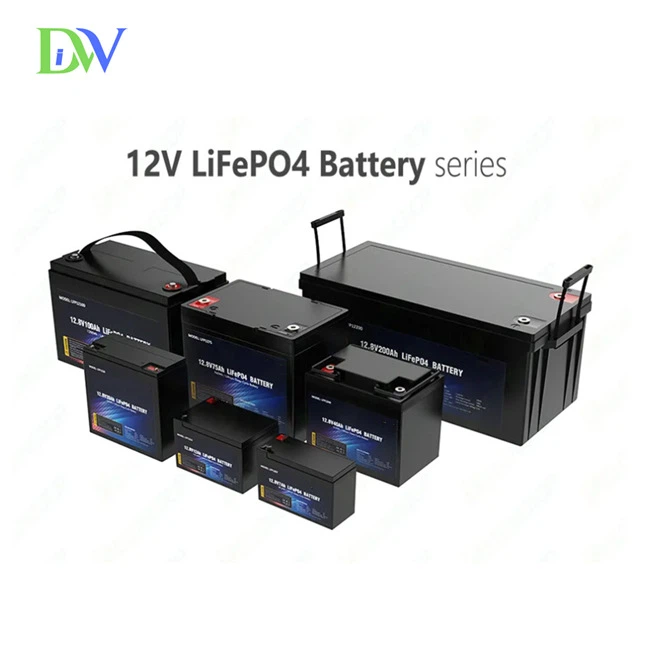
The battery's chemistry also plays a huge role. Most drone batteries are made of lithium - polymer (Li - Po) or lithium - iron - phosphate (LiFePO4). Li - Po batteries are known for their high energy density, which means they can store a lot of energy in a small space. But they are also more sensitive to overcharging and overheating. LiFePO4 batteries, on the other hand, are more stable and can tolerate a wider range of charging conditions. For instance, our 24v 200ah Lifepo4 Battery can handle a relatively high charging current compared to some Li - Po batteries of similar capacity.
Another important factor is the charger itself. Not all chargers are created equal. A good quality charger will have built - in safety features and be able to adjust the charging current according to the battery's needs. It's always a good idea to use a charger that is specifically designed for your drone battery. Some chargers allow you to set the charging current manually, which gives you more control over the charging process.
Let's talk about some general guidelines for finding the optimal charging current. A common rule of thumb is to charge a lithium battery at a rate of 1C. The "C" rate is a measure of how fast a battery can be charged or discharged relative to its capacity. For example, if you have a 2 - Ah battery, a 1C charging current would be 2A. Charging at 1C is usually a safe and efficient way to charge a lithium battery. However, some batteries can handle a higher C rate. For example, some high - performance drone batteries can be charged at 2C or even 3C, which means they can be charged much faster.
But be careful when using a high C rate. It might seem tempting to charge your battery as fast as possible, but it can take a toll on the battery's health. High - rate charging generates more heat, which can cause the battery to degrade faster. So, unless you really need to charge your battery quickly for an urgent flight, it's usually better to stick to a lower C rate.
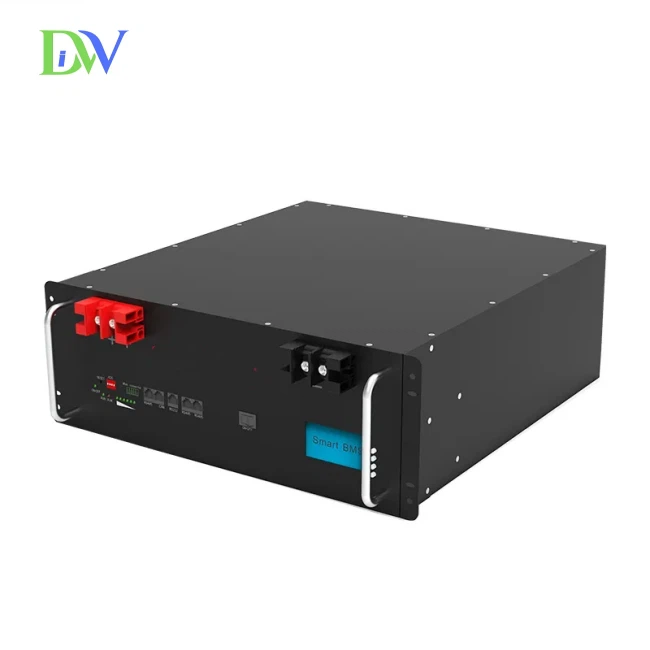
Now, let's take a look at some specific examples. Our 48v 50ah Lifepo4 Battery has a relatively large capacity. A good starting point for charging this battery would be around 10A (0.2C). This will ensure a safe and steady charge without overheating the battery. For our 12v Lithium Battery Pack, which is often used in smaller drones, a charging current of 1 - 2A would be appropriate depending on its capacity.
It's also important to monitor the battery's temperature during charging. If the battery gets too hot, you should stop the charging process immediately. Overheating can cause irreversible damage to the battery and even lead to a fire or explosion in extreme cases. A good way to monitor the temperature is to use a battery charger with a built - in temperature sensor.
In addition to the technical aspects, there are also some practical considerations when it comes to charging your drone battery. For example, if you're in a hurry to get your drone back in the air, you might be tempted to use a higher charging current. But remember, it's not worth sacrificing the battery's lifespan for a few extra minutes of flight time. On the other hand, if you have plenty of time, it's better to charge your battery slowly and carefully.
As a Drone Lithium Battery supplier, we've seen all sorts of problems caused by improper charging. That's why we're so passionate about educating our customers on the right way to charge their batteries. We offer a wide range of high - quality drone batteries and chargers that are designed to work together to ensure optimal performance and safety.
If you're in the market for a new drone battery or charger, or if you have any questions about the optimal charging current for your existing battery, don't hesitate to reach out. We're here to help you make the best choice for your drone and ensure that your battery lasts as long as possible. Whether you're a professional drone pilot or just a hobbyist, we've got the products and expertise to meet your needs.
So, if you're interested in purchasing our high - quality drone lithium batteries or have any questions about charging currents, feel free to contact us. We're always happy to have a chat and help you find the perfect solution for your drone.
References:
- Battery University: A comprehensive resource on battery technology and charging methods.
- Drone enthusiast forums: Where pilots share their experiences and knowledge about drone batteries and charging.