

What is the importance of the terminal size on a car starter battery?
Jul 22, 2025
Hey there! As a supplier of car starter batteries, I've seen firsthand how many folks overlook the importance of terminal size on these crucial components. You might think that as long as the battery fits in your car and can start the engine, everything's good to go. But trust me, the terminal size plays a huge role in the overall performance and longevity of your car starter battery.
Let's start by understanding what the terminals on a car starter battery are for. The terminals are the connection points between the battery and the vehicle's electrical system. They're responsible for transferring the electrical current from the battery to the starter motor, which then cranks the engine to life. There are two main terminals on a car battery: the positive terminal (usually marked with a plus sign) and the negative terminal (marked with a minus sign).
Now, why does the terminal size matter? Well, the size of the terminal directly affects the amount of electrical current that can flow through it. A larger terminal has a lower resistance, which means it can handle more current without overheating. This is especially important when starting your car, as the starter motor requires a large amount of current to turn the engine over. If the terminal size is too small, it can cause a voltage drop, which means the starter motor won't receive enough power to start the engine properly. This can lead to slow cranking, hard starting, or even a complete failure to start.
Another reason why terminal size is important is that it affects the connection between the battery and the vehicle's electrical system. A proper connection is essential for ensuring that the electrical current flows smoothly and efficiently. If the terminal size is too small, it may not make a good contact with the battery cable, which can cause arcing, corrosion, and other problems. On the other hand, if the terminal size is too large, it may not fit properly on the battery cable, which can also lead to a poor connection.
So, how do you choose the right terminal size for your car starter battery? The first thing you need to do is check your vehicle's owner's manual or consult with a professional mechanic. They can tell you the correct terminal size and type for your specific make and model of car. In general, most cars use either a standard SAE terminal or a DIN terminal. The SAE terminal is the most common type and is used on most American and Japanese cars, while the DIN terminal is used on most European cars.
Once you know the correct terminal size and type, you need to make sure that the battery you choose has the same terminals. Most car starter batteries come with either SAE or DIN terminals, but some may have both types. If you're not sure which type of terminal your battery has, you can usually tell by looking at the size and shape of the terminals. The SAE terminal is larger and has a round shape, while the DIN terminal is smaller and has a rectangular shape.
In addition to choosing the right terminal size and type, you also need to make sure that the terminals are clean and free of corrosion. Corrosion can build up on the terminals over time, which can cause a poor connection and reduce the performance of the battery. To clean the terminals, you can use a wire brush or a battery terminal cleaner. Simply remove the battery cables from the terminals, brush the terminals clean, and then reattach the cables. You can also apply a thin layer of petroleum jelly or battery terminal protector to the terminals to prevent corrosion from forming.
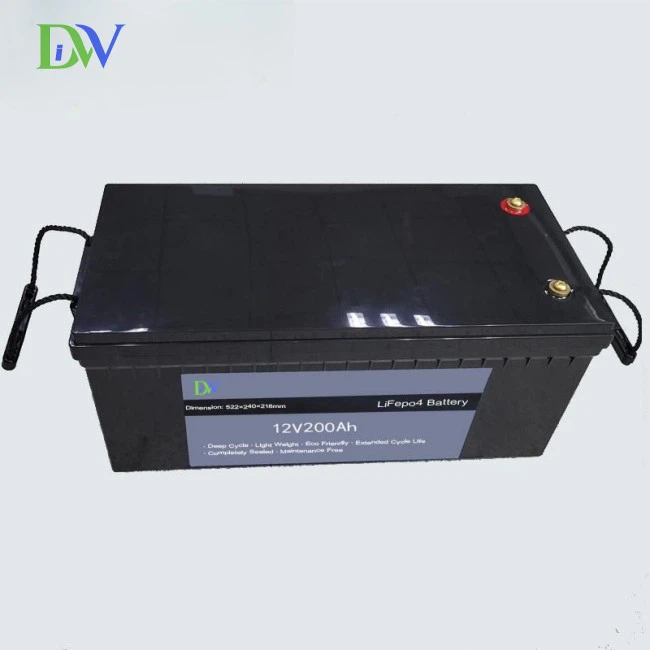

Now, let's talk about some of the other factors that can affect the performance of your car starter battery. One of the most important factors is the temperature. Batteries work best at moderate temperatures, between 70°F and 80°F. If the temperature is too cold, the battery's chemical reactions slow down, which can reduce its capacity and performance. On the other hand, if the temperature is too hot, the battery can overheat, which can cause damage to the internal components and reduce its lifespan.
Another factor that can affect the performance of your car starter battery is the age of the battery. Like all batteries, car starter batteries have a limited lifespan. Most batteries last between 3 and 5 years, depending on how they're used and maintained. If your battery is more than 3 years old, it's a good idea to have it tested regularly to make sure it's still in good condition. You can have your battery tested at a local auto parts store or by a professional mechanic.
Finally, let's talk about some of the different types of car starter batteries available on the market. There are several different types of batteries, including lead-acid batteries, AGM batteries, and lithium-ion batteries. Each type of battery has its own advantages and disadvantages, so it's important to choose the right type for your specific needs.
Lead-acid batteries are the most common type of car starter battery. They're relatively inexpensive, reliable, and easy to maintain. However, they're also heavy and have a limited lifespan. AGM batteries are a newer type of battery that uses a special absorbent glass mat to hold the electrolyte in place. They're more expensive than lead-acid batteries, but they're also lighter, more durable, and have a longer lifespan. Lithium-ion batteries are the newest type of car starter battery. They're very lightweight, have a high energy density, and can last for many years. However, they're also very expensive and require special charging equipment.
In conclusion, the terminal size on a car starter battery is an important factor that can affect the performance and longevity of the battery. By choosing the right terminal size and type, keeping the terminals clean and free of corrosion, and taking other factors into account, you can ensure that your car starter battery performs at its best and lasts for as long as possible. If you have any questions or need help choosing the right car starter battery for your vehicle, please don't hesitate to contact us. We're here to help you find the perfect battery for your needs.
If you're looking for other battery solutions, we also offer Store Backup Power Supply, Parking Battery, and Battery Backup For RV. Whether you need a battery for your store, your parking needs, or your RV, we've got you covered.
If you're interested in purchasing our car starter batteries or any of our other battery products, please reach out to us for a procurement discussion. We're eager to work with you and provide you with the best battery solutions for your requirements.
References
- Battery Council International (BCI). (n.d.). Battery Basics. Retrieved from [Website URL]
- SAE International. (n.d.). SAE J537: Automotive Starting Batteries. Retrieved from [Website URL]
- DIN Standards. (n.d.). DIN 72302: Starter Batteries for Motor Vehicles. Retrieved from [Website URL]