

What is the impact of high - frequency charging on a UPS backup lithium battery?
Jun 05, 2025
High - frequency charging, a common practice in many modern power - dependent environments, has a significant impact on UPS backup lithium batteries. As a supplier of UPS backup lithium batteries, I have witnessed firsthand the various effects of high - frequency charging on these crucial energy storage devices.
Understanding High - Frequency Charging
High - frequency charging refers to the process of charging a battery at relatively short intervals. This can occur in environments where there are frequent power fluctuations or in systems that require continuous power availability. For example, in data centers, where even a brief power outage can lead to significant data loss and operational disruptions, UPS systems are often set to charge at high frequencies to ensure that the backup battery is always ready for use.
Positive Impacts of High - Frequency Charging
1. Enhanced Readiness
One of the most obvious benefits of high - frequency charging is that it keeps the UPS backup lithium battery in a constantly charged state. This means that in the event of a power outage, the battery can immediately provide power to the connected devices. For businesses and organizations that rely on continuous power, such as hospitals and financial institutions, this enhanced readiness can be a lifesaver. A fully charged battery can ensure that critical equipment, like life - support machines in hospitals or trading systems in financial firms, remains operational until the main power supply is restored.
2. Balanced Cell Charging
Lithium batteries are made up of multiple cells, and high - frequency charging can help maintain a balanced charge across these cells. When a battery is charged at regular intervals, it reduces the likelihood of individual cells over - charging or under - charging. This balance is crucial for the overall health and performance of the battery. A well - balanced battery not only lasts longer but also provides a more stable power output. For instance, in a UPS system for a small office, balanced cell charging can prevent sudden power drops and ensure a smooth transition during a power outage.
Negative Impacts of High - Frequency Charging
1. Accelerated Battery Degradation
One of the major drawbacks of high - frequency charging is that it can accelerate the degradation of the UPS backup lithium battery. Each charge - discharge cycle causes some wear and tear on the battery's electrodes and electrolyte. With high - frequency charging, these cycles occur more frequently, leading to faster degradation. Over time, the battery's capacity to hold a charge decreases, and its overall lifespan is reduced. For example, a UPS backup lithium battery that might normally last for 5 - 7 years under normal charging conditions could see its lifespan reduced to 3 - 4 years with high - frequency charging.
2. Heat Generation
High - frequency charging generates more heat compared to normal charging. Lithium batteries are sensitive to high temperatures, and excessive heat can cause damage to the battery's internal components. Heat can also increase the rate of chemical reactions within the battery, which can further accelerate degradation. In addition, high temperatures can pose a safety risk, as they increase the likelihood of thermal runaway, a potentially dangerous condition where the battery overheats and can even catch fire or explode. For a UPS system installed in a confined space, such as a server rack, the heat generated by high - frequency charging can be a significant concern.
3. Increased Stress on the Charging Circuit
The charging circuit of a UPS backup lithium battery is designed to handle a certain amount of charging cycles. High - frequency charging puts additional stress on this circuit, increasing the risk of component failure. A faulty charging circuit can lead to over - charging, under - charging, or other charging irregularities, which can further damage the battery. This can result in costly repairs or replacements of both the charging circuit and the battery itself.
Mitigating the Negative Impacts
1. Temperature Management
To counter the heat generation associated with high - frequency charging, effective temperature management is essential. This can involve installing cooling systems, such as fans or heat sinks, in the UPS enclosure. Maintaining a lower temperature can slow down the degradation process and reduce the risk of thermal runaway. For example, in a large - scale data center, sophisticated cooling systems are often used to keep the UPS backup lithium batteries at an optimal temperature.
2. Smart Charging Algorithms
Implementing smart charging algorithms can help reduce the negative impacts of high - frequency charging. These algorithms can adjust the charging rate and duration based on the battery's state of charge, temperature, and other factors. For instance, if the battery is already close to full charge, the charging algorithm can slow down the charging process to prevent over - charging. This not only protects the battery but also extends its lifespan.
3. Regular Battery Monitoring
Regular monitoring of the UPS backup lithium battery is crucial. This can involve checking the battery's voltage, temperature, and state of charge. By closely monitoring the battery, any signs of degradation or charging irregularities can be detected early. Early detection allows for timely maintenance or replacement, preventing more serious problems from occurring.
The Role of High - Quality Batteries
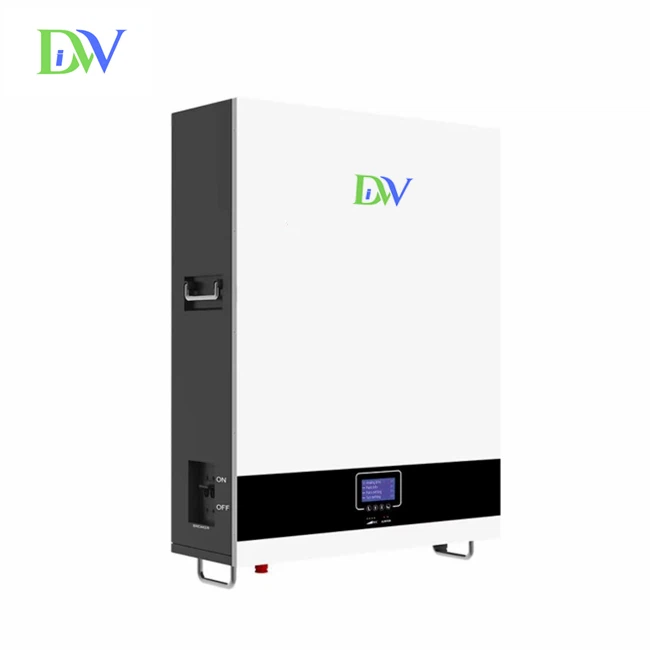
As a UPS backup lithium battery supplier, I understand the importance of providing high - quality batteries that can better withstand the challenges of high - frequency charging. Our Powerwall Lithium Battery is designed with advanced materials and manufacturing techniques to reduce the impact of high - frequency charging. It has a more stable electrode structure and a high - quality electrolyte, which can withstand more charge - discharge cycles without significant degradation.
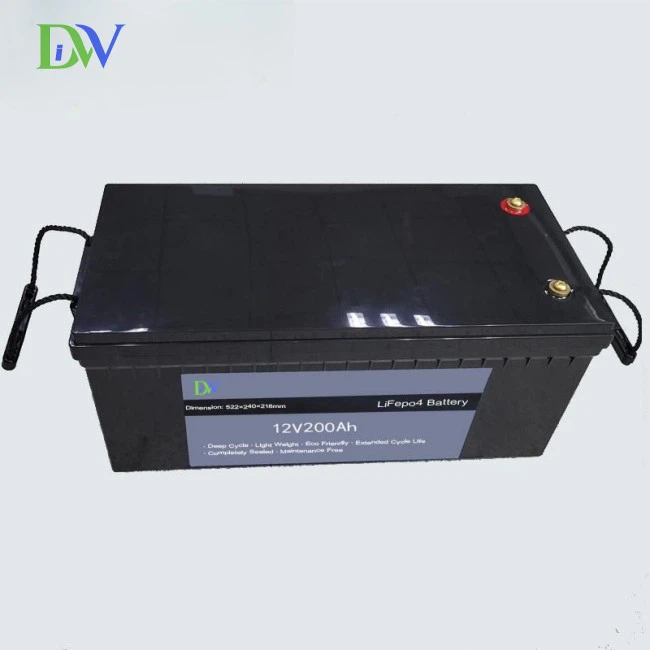
Similarly, our Truck Starter Battery is engineered to handle the demands of high - frequency charging in mobile applications. Trucks often experience frequent engine starts, which require high - frequency charging of the starter battery. Our battery is designed to maintain its performance and lifespan even under these challenging conditions.
For those in the RV industry, our Battery Backup For RV is a reliable solution. RVs rely on battery backup systems for various functions, and high - frequency charging can occur due to the intermittent use of power sources. Our battery is optimized to provide long - lasting power and resist the negative effects of high - frequency charging.
Conclusion
High - frequency charging has both positive and negative impacts on UPS backup lithium batteries. While it can enhance the battery's readiness and ensure balanced cell charging, it also accelerates degradation, generates heat, and puts stress on the charging circuit. However, with proper temperature management, smart charging algorithms, and regular monitoring, the negative impacts can be mitigated. As a supplier, we are committed to providing high - quality batteries that can handle the challenges of high - frequency charging. If you are in need of reliable UPS backup lithium batteries or have any questions about how to manage high - frequency charging, we invite you to contact us for further discussion and potential procurement.
References
- Arora, P., Zhang, Z., & White, R. E. (1999). Comparison of modeling predictions with experimental data from plastic lithium - ion batteries. Journal of the Electrochemical Society, 146(10), 3543 - 3551.
- Chen, Z., & Evans, D. J. (2006). Lithium - ion batteries. Materials Today, 9(8), 20 - 28.
- Dunn, B., Kamath, H., & Tarascon, J. M. (2011). Electrical energy storage for the grid: a battery of choices. Science, 334(6058), 928 - 935.